BACTEC MGIT 960: Introduction, Principle, Procedure, Result-Interpretation, Application, and Keynotes

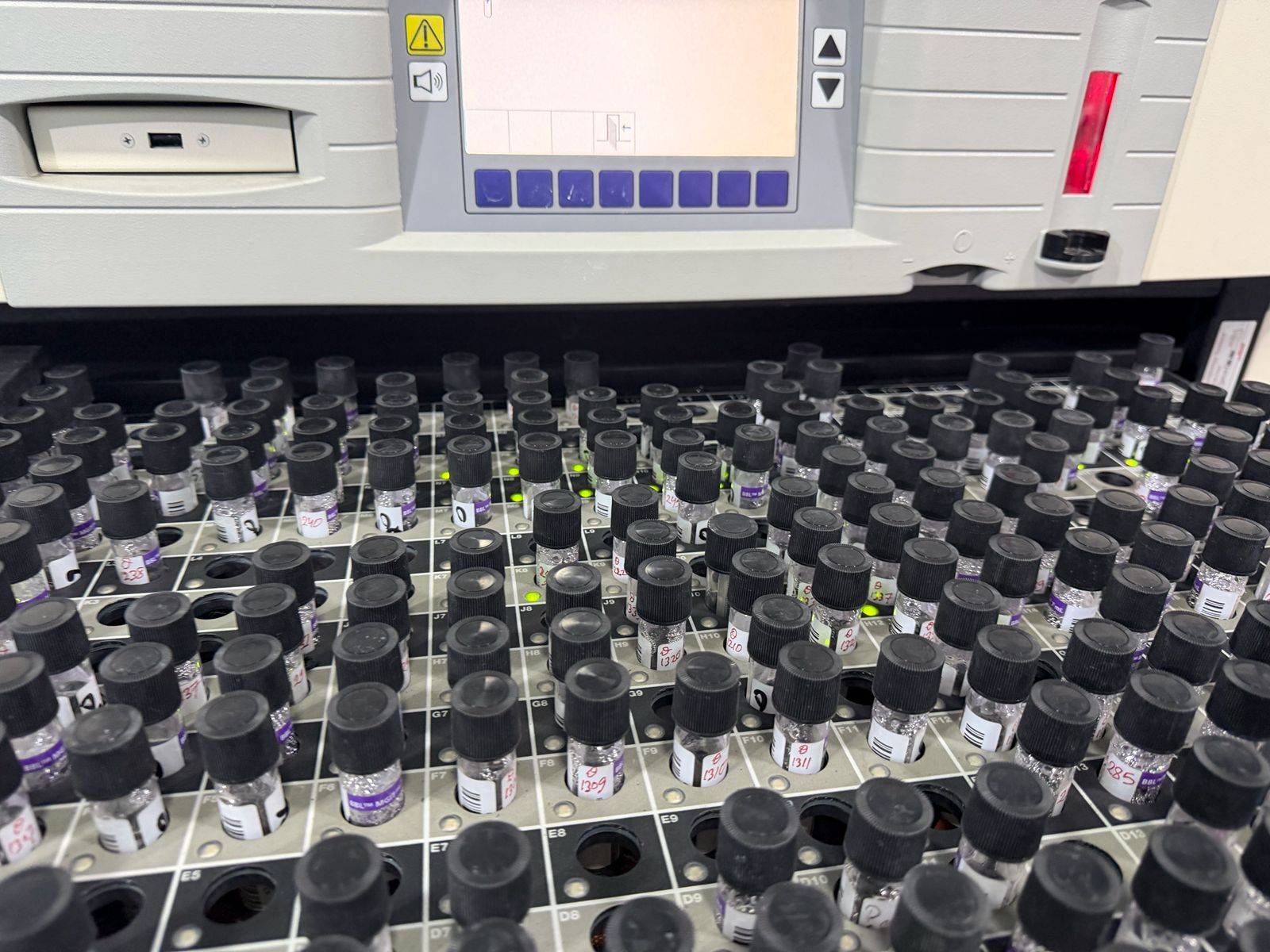
BD BACTEC MGIT 960 instrument display showing the real-time status and distribution of mycobacterial culture tubes

Introduction The system consists of an incubator-reader that can hold up to 960 culture tubes (7 ml size), allowing it to process approximately 8,000 specimens annually. It is widely considered a “gold standard” for culture-based drug susceptibility testing (DST) due to its speed and high recovery rate …

Read more

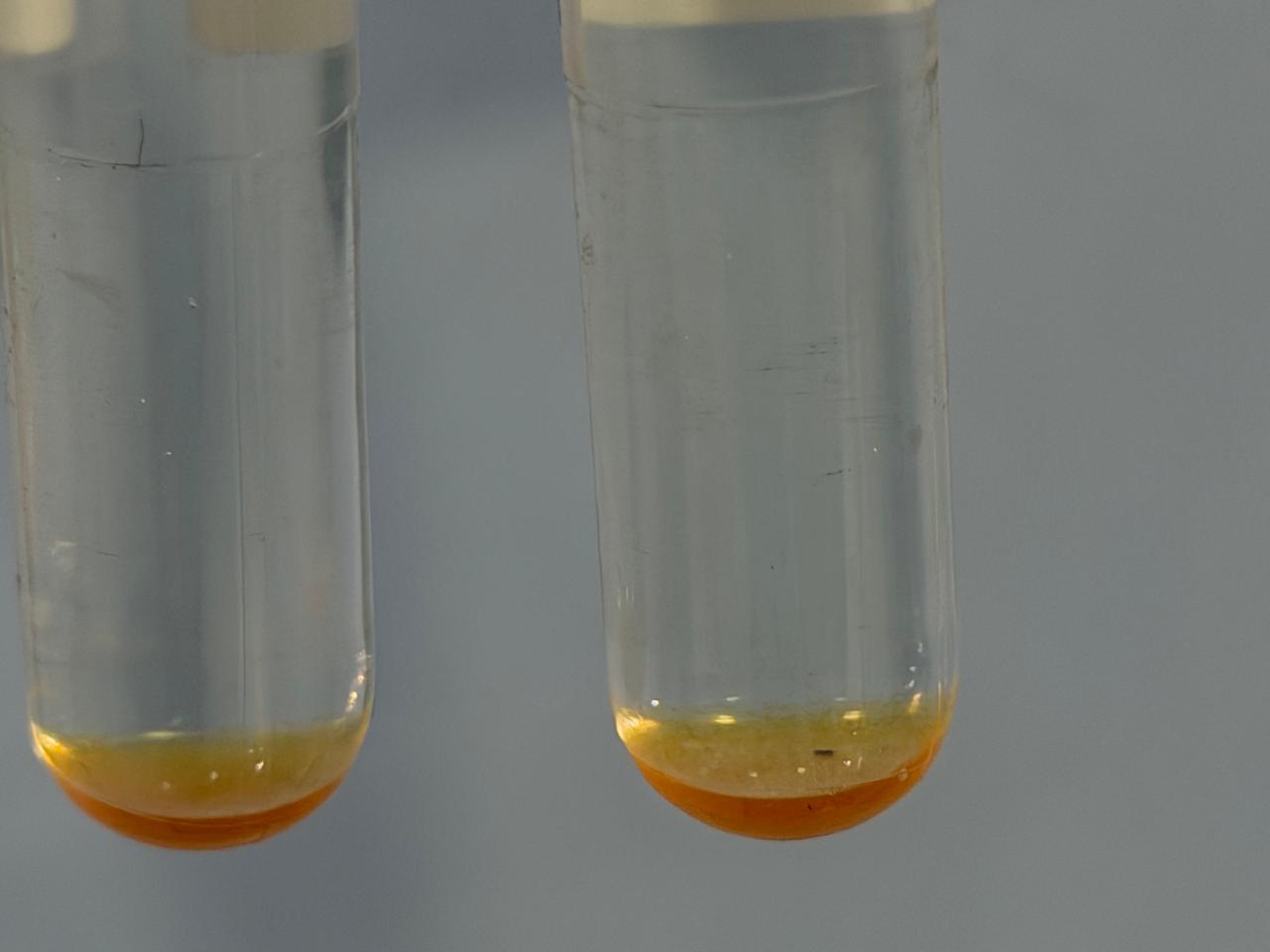
Morphological Characterization of MTBC: Identifying “Buff” Granular Growth in MGIT Liquid Culture

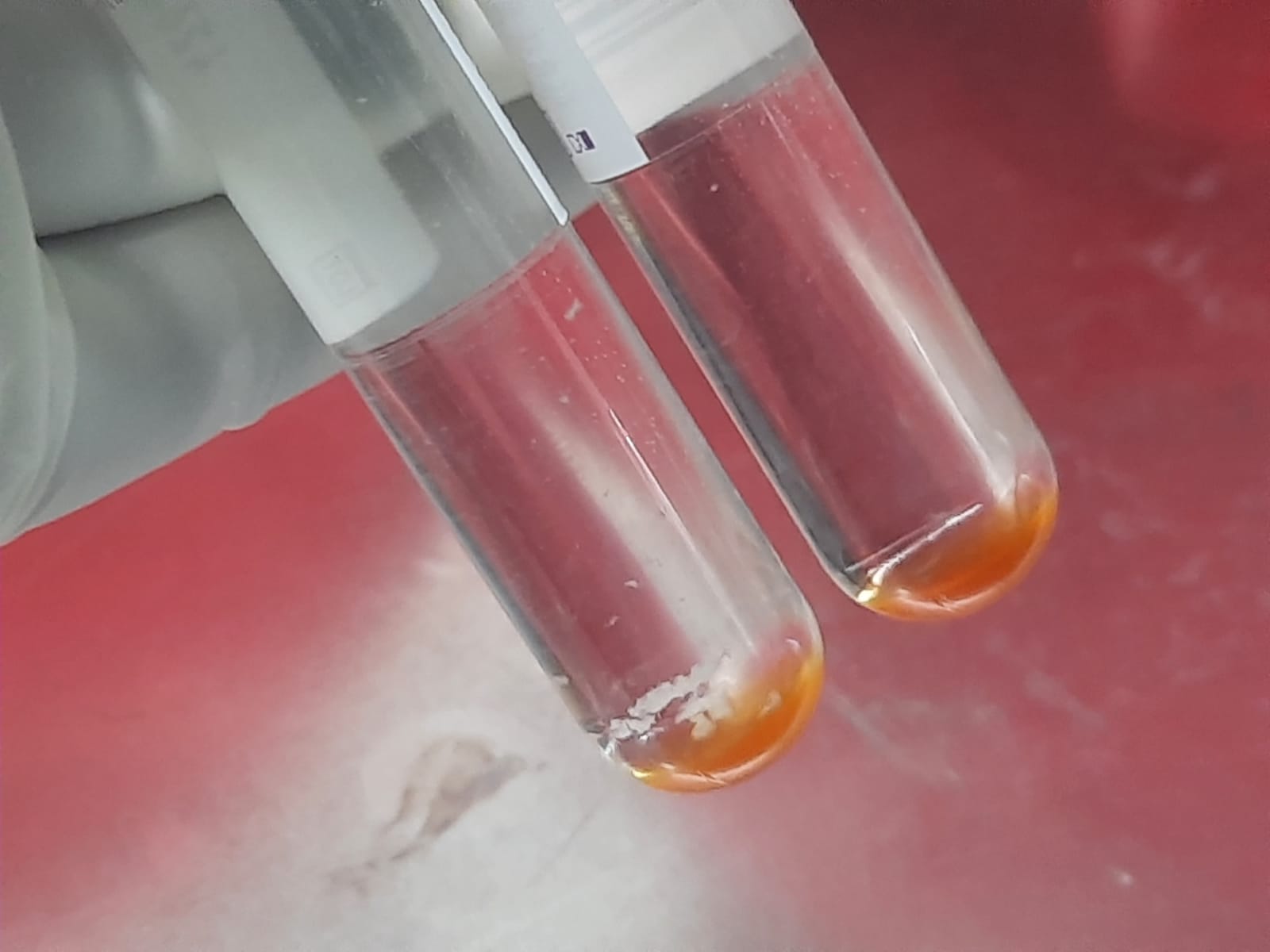
Levofloxacin-resistant MTBC-Left tube-Linezolid sensitive MTBC (right tube)

Visual Observation Technical Interpretation The MGIT Principle: These tubes contain a fluorescent sensor embedded in silicon at the bottom. As the MTBC metabolizes nutrients, it consumes dissolved oxygen. MTBC Characteristics The “buff-colored” (off-white to light yellow) and granular appearance is highly indicative of the M. …

Read more

Nontuberculous Mycobacteria (NTM): Introduction, Morphology, Pathogenicity, Lab Diagnosis, Treatment, Prevention, and Keynotes

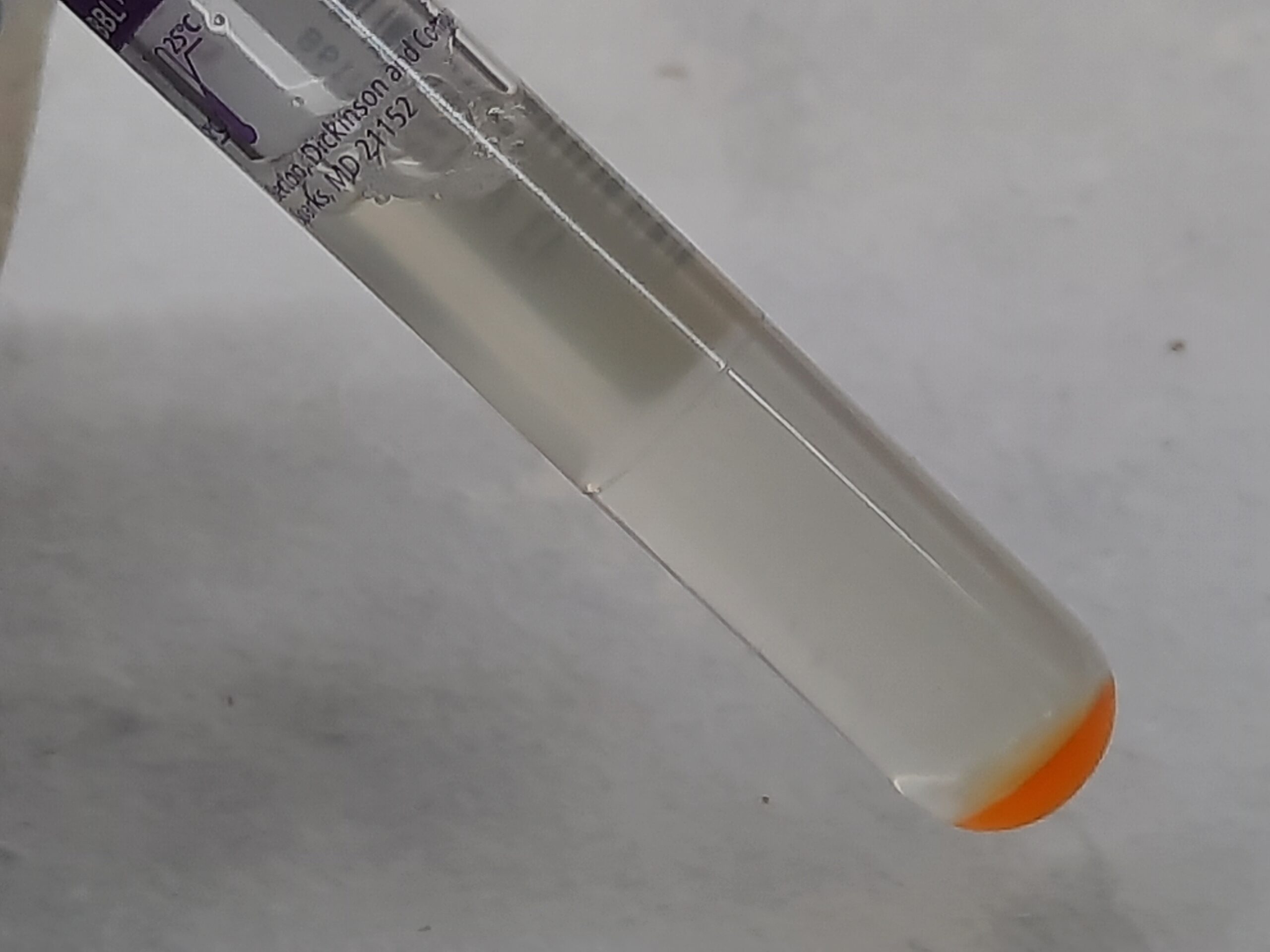
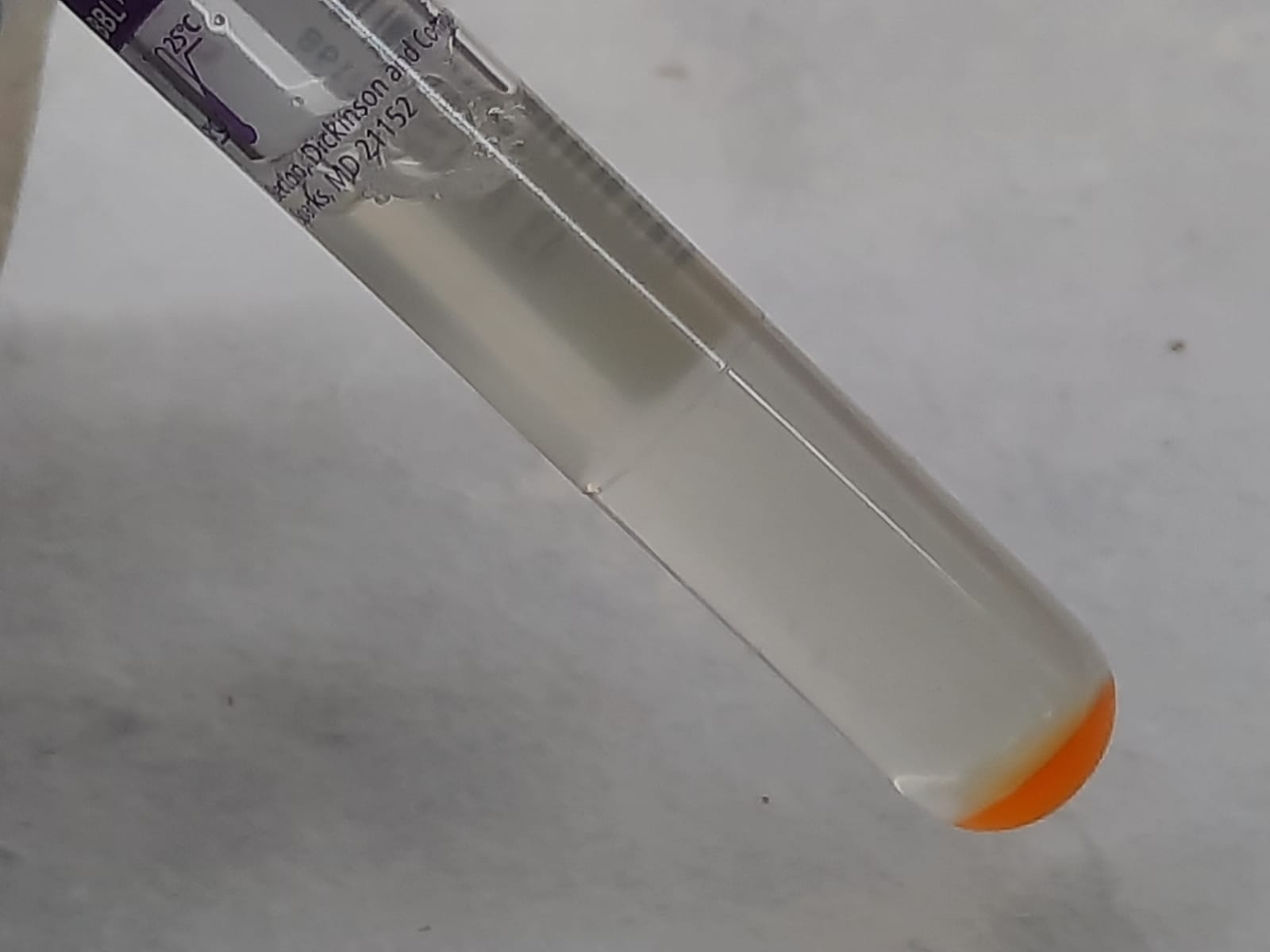
Turbid growth of Nontuberculous Mycobacteria (NTM), Mycobacterium fortuitum in a Mycobacteria Growth Indicator Tube (MGIT)

Introduction Nontuberculous Mycobacteria (NTM) are a large group of over 190 species of mycobacteria that are present in the environment (soil and water). They do not cause tuberculosis or leprosy, and they are opportunistic pathogens, largely infecting individuals with pre-existing lung conditions, weakened immunity, or …

Read more

Mycobacterium fortuitum : Introduction, Morphology, Pathogenicity, Lab Diagnosis, Treatment, Prevention, and Keynotes

Mycobacterium fortuitum growth on modified Middlebrook 7H9 broth with PANTA supplement after 3 days of incubation

Introduction Mycobacterium fortuitum is a rapidly growing, nontuberculous mycobacterium (NTM). It is found ubiquitously in the environment, primarily associated with skin, soft tissue, and post-surgical wound infections. As an opportunistic pathogen that is known for its ability to grow within 7 days, it often causes infections …

Read more