Second-Line Drug Susceptibility Testing (SL-DST) for Tuberculosis:Introduction, Principle, Procedure, Result-Interpretation, and Keynotes

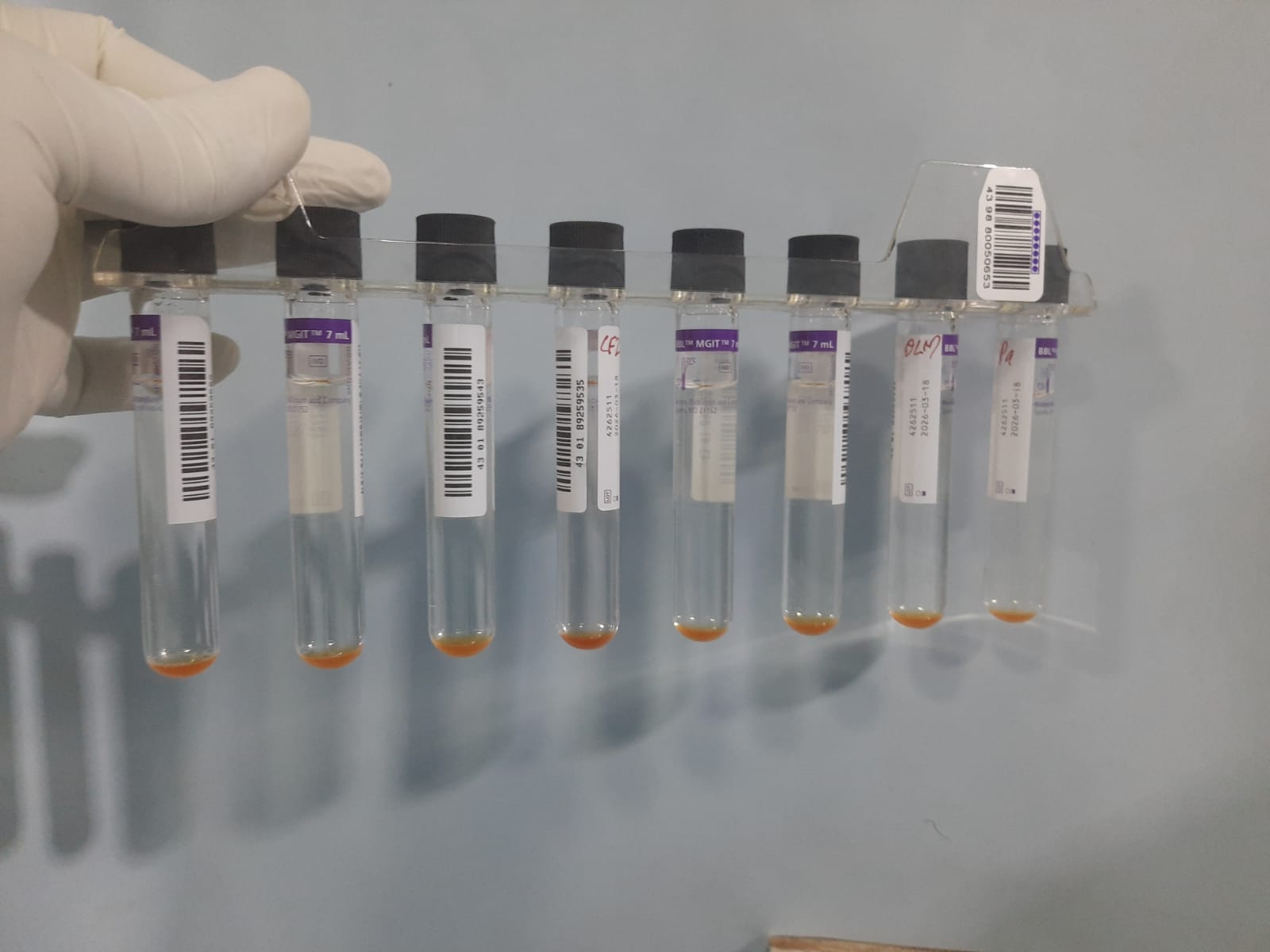
Phenotypic drug susceptibility testing (DST) of Mycobacterium tuberculosis using the BACTEC MGIT 960 system

Introduction Second-line drug susceptibility testing (SL-DST) for tuberculosis is a crucial laboratory procedure designed to detect resistance to anti-TB drugs used when first-line treatment fails (i.e., multidrug-resistant TB – MDR-TB).  Principle SL-DST measures the susceptibility of Mycobacterium tuberculosis to specific agents by determining the Critical …

Read more

OADC Supplement: Introduction, Composition and Function, Uses, and Keynotes

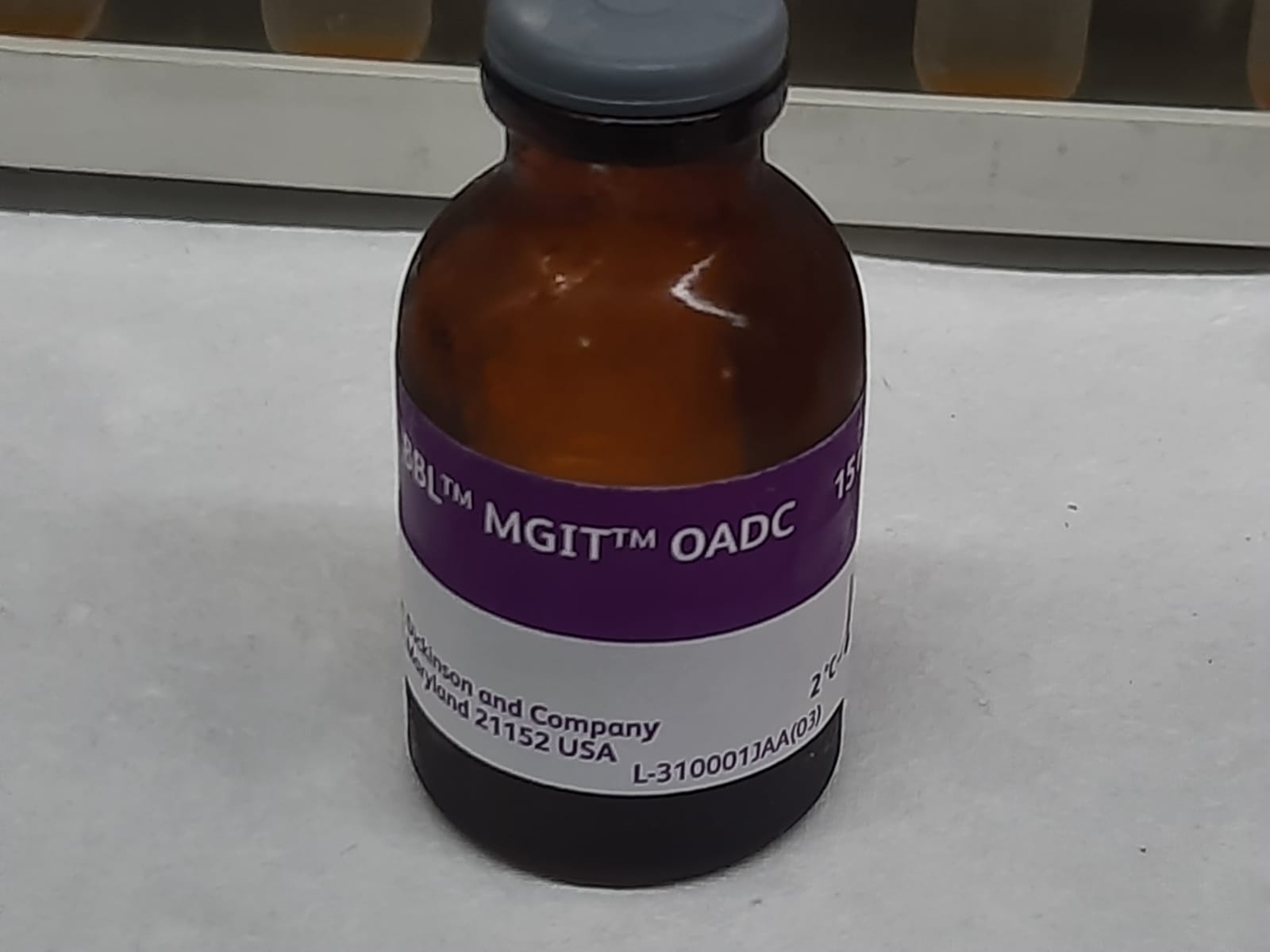
A 15 ml vial of BBL™ MGIT™ OADC enrichment supplement used for the cultivation of Mycobacterium species.

Introduction Middlebrook OADC Growth Supplement is a vital enrichment used in microbiology to support the fastidious growth of Mycobacterium species. Its name is an acronym for its primary components: Oleic Acid, Albumin, Dextrose, and Catalase. OADC is a sterile liquid or lyophilized supplement designed to enhance the performance of Middlebrook media, such as 7H9 …

Read more

PANTA Supplement: Introduction, Composition and Function, Uses, and Keynotes

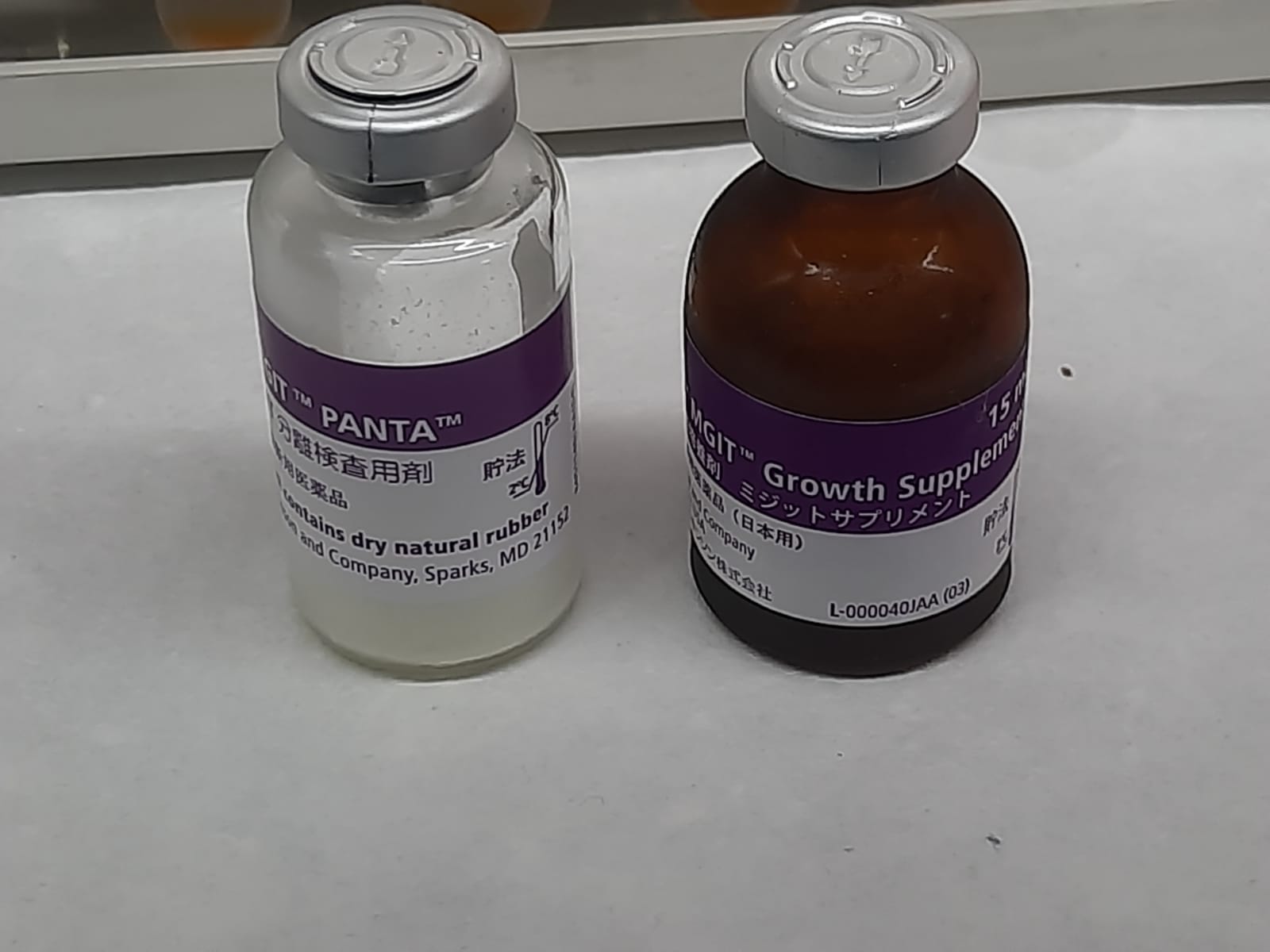
Vials of MGIT PANTA antibiotic supplement and MGIT Growth Supplement for suppressing contamination and enriching Mycobacterium tuberculosis

Introduction In microbiology and Tuberculosis (TB) diagnostics, PANTA is an antimicrobial supplement used to prevent the overgrowth of contaminating microorganisms in liquid culture media. It is primarily used with the BD BACTEC MGIT 960 system.  PANTA is a selective antibiotic cocktail designed for the primary isolation of mycobacteria from …

Read more

Morphological Characterization of MTBC: Identifying “Buff” Granular Growth in MGIT Liquid Culture

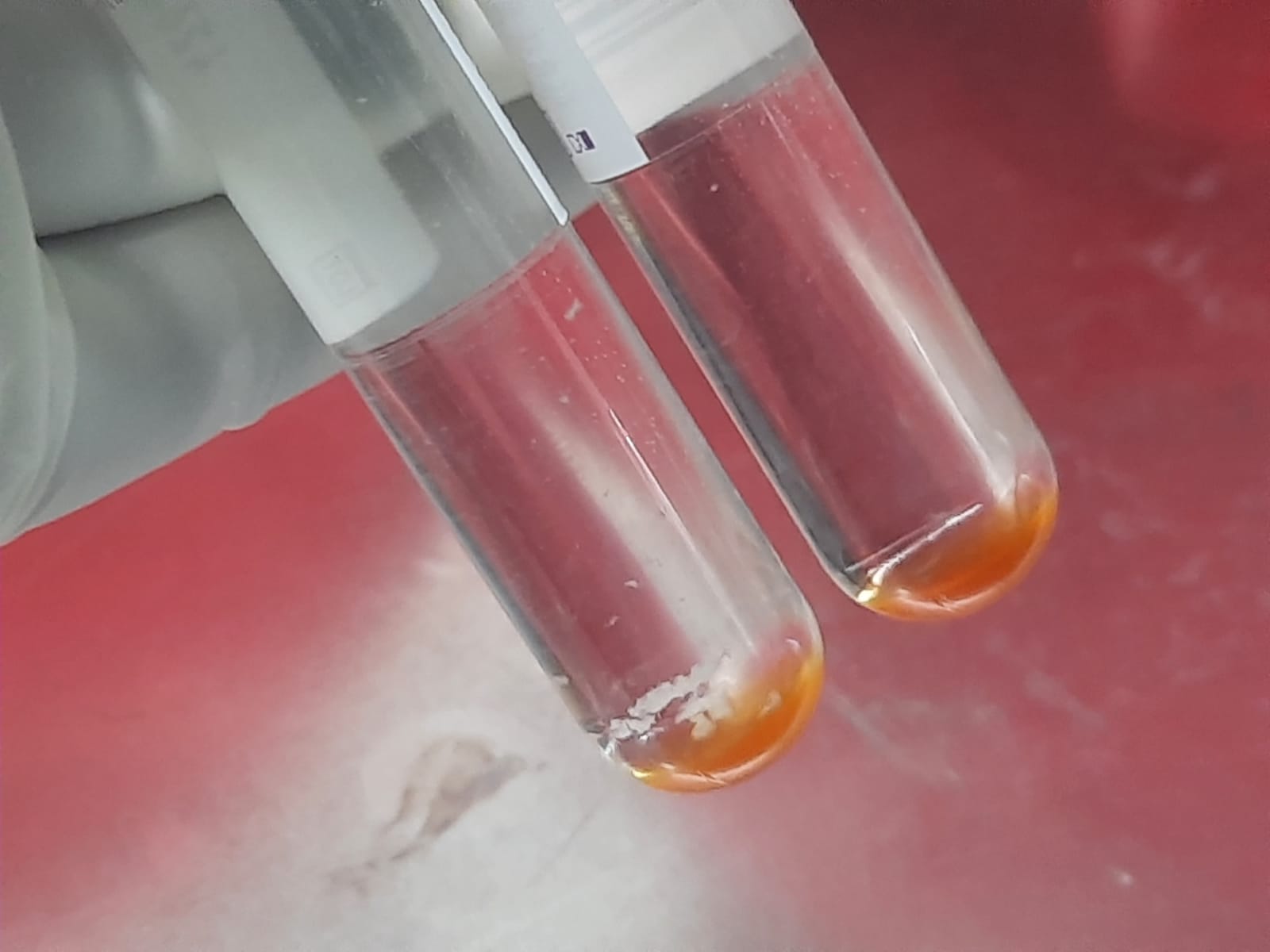
Levofloxacin-resistant MTBC-Left tube-Linezolid sensitive MTBC (right tube)

Visual Observation Technical Interpretation The MGIT Principle: These tubes contain a fluorescent sensor embedded in silicon at the bottom. As the MTBC metabolizes nutrients, it consumes dissolved oxygen. MTBC Characteristics The “buff-colored” (off-white to light yellow) and granular appearance is highly indicative of the M. …

Read more

IGRA (Interferon-Gamma Release Assay) Test-Introduction, Principle, Test Requirement, Procedure, Result-Interpretation, and Keynotes

Introduction An Interferon-Gamma Release Assay (IGRA) is a modern blood test used to identify if a person is infected with Mycobacterium tuberculosis. It is primarily used to detect latent TB infection (LTBI) and to aid in the diagnosis of active tuberculosis disease.  Principle The test is based on the fact …

Read more

Mycobacterium leprae: Introduction, Morphology, Pathogenicity, Lab Diagnosis, Treatment, Prevention, and Keynotes

Heavy load of acid fast bacilli (AFB) of Mycobacterium leprae in modified Ziehl-Neelsen staining of slit skin smear microscopy at a magnification of 1000X

Introduction Mycobacterium leprae is the bacterium responsible for causing leprosy, also known as Hansen’s disease. It is an ancient disease that has afflicted humans for thousands of years, and it continues to be a significant public health concern in some parts of the world. M. …

Read more

Mycobacterium tuberculosis: Introduction, Morphology, Pathogenicity, Lab Diagnosis, Treatment, Prevention, and Keynotes

Mycobacterium tuberculosis colony morphology on LJ medium

Introduction Mycobacterium tuberculosis is a bacterium that causes tuberculosis (TB), a contagious infectious disease primarily affecting the lungs but can also affect other parts of the body. TB has been a significant public health concern worldwide, causing illness and death for thousands of years. Key …

Read more

Lowenstein-Jensen (LJ) Medium: Introduction, Principle Composition, Preparation, Procedure, Result- Interpretation, Limitation, and Keynotes

Lowenstein-Jensen (LJ) Medium: Introduction, Principle Composition, Preparation, Procedure, Result- Interpretation, Limitation, and Keynotes

Introduction of Lowenstein-Jensen (LJ) Medium Lowenstein-Jensen (LJ) Medium is named after the surnames of  Austrian pathologist Ernst Lowenstein (1878–1950) and the Danish chemist Kai Arne Jensen (1908–1992). The etiological agent of tuberculosis is Mycobacterium tuberculosis. It requires aerobic conditions and a protein-enriched medium for culture. The short …

Read more