Morphological Characterization of MTBC: Identifying “Buff” Granular Growth in MGIT Liquid Culture
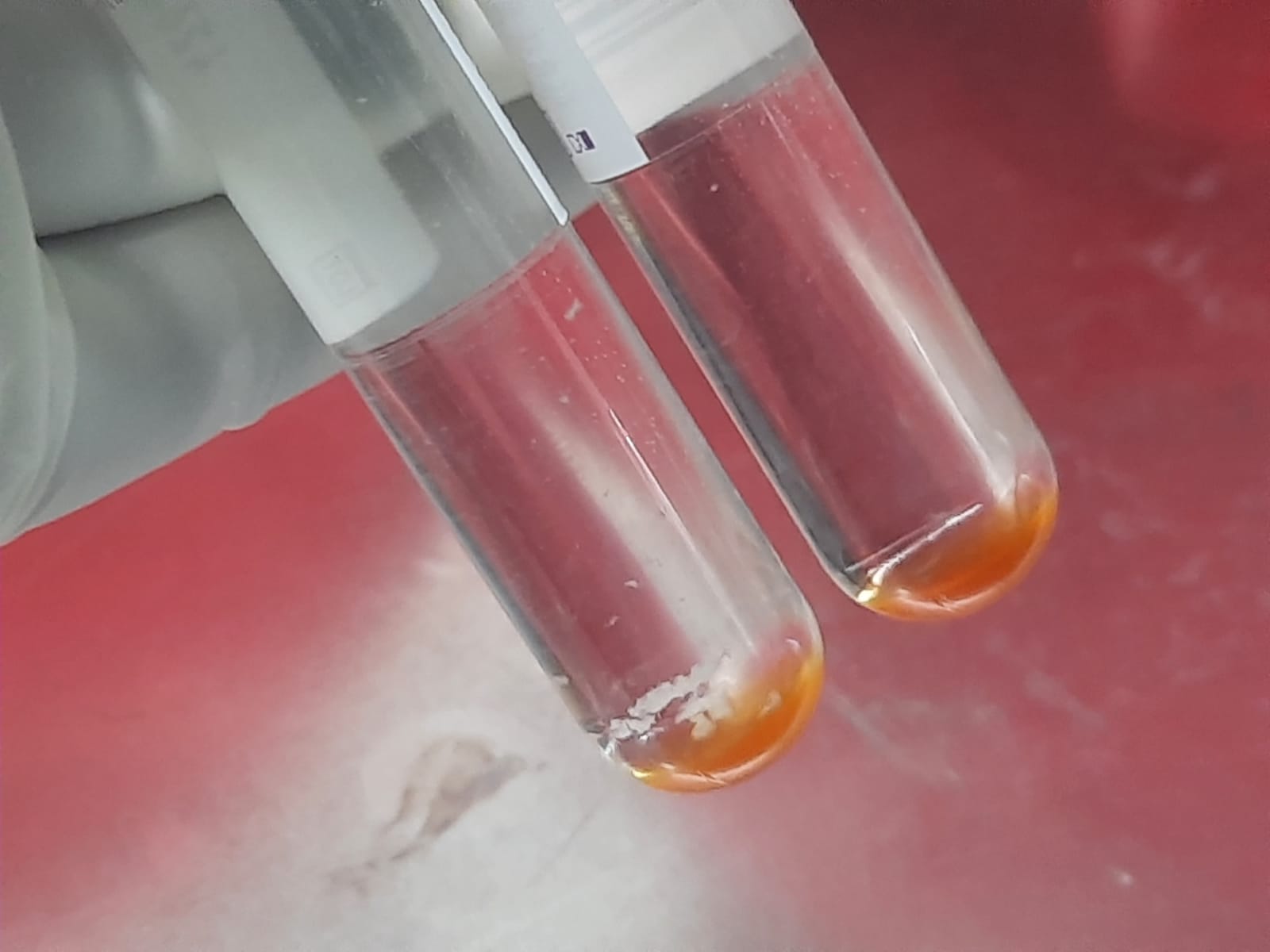
Levofloxacin-resistant MTBC-Left tube-Linezolid sensitive MTBC (right tube)

Visual Observation Technical Interpretation The MGIT Principle: These tubes contain a fluorescent sensor embedded in silicon at the bottom. As the MTBC metabolizes nutrients, it consumes dissolved oxygen. MTBC Characteristics The “buff-colored” (off-white to light yellow) and granular appearance is highly indicative of the M. …

Read more

Pleural Fluid Microscopy: Introduction, Principle, Test Requirements, Procedure, Finding, Clinical Significance, and Keynotes

Collected Pleural Fluid-

Introduction Pleural fluid is the liquid collected from the pleural space between the lung and chest wall. Microscopic examination of pleural fluid plays a key role in identifying the underlying cause of pleural effusion. It helps distinguish between transudates and exudates, detect infectious organisms, malignant …

Read more

Urinalysis: Introduction, List of Some Common Tests, Test Report, Clinical Significance, and Keynotes

Urinalysis-Introduction, List of Some Common Tests, Test Report, Clinical Significance, and Keynotes

Introduction Urinalysis is a diagnostic medical test that involves the examination of urine to evaluate a person’s health and detect various medical conditions. It is one of the most commonly performed laboratory tests and provides valuable information about the body’s metabolism, kidney function, and overall …

Read more

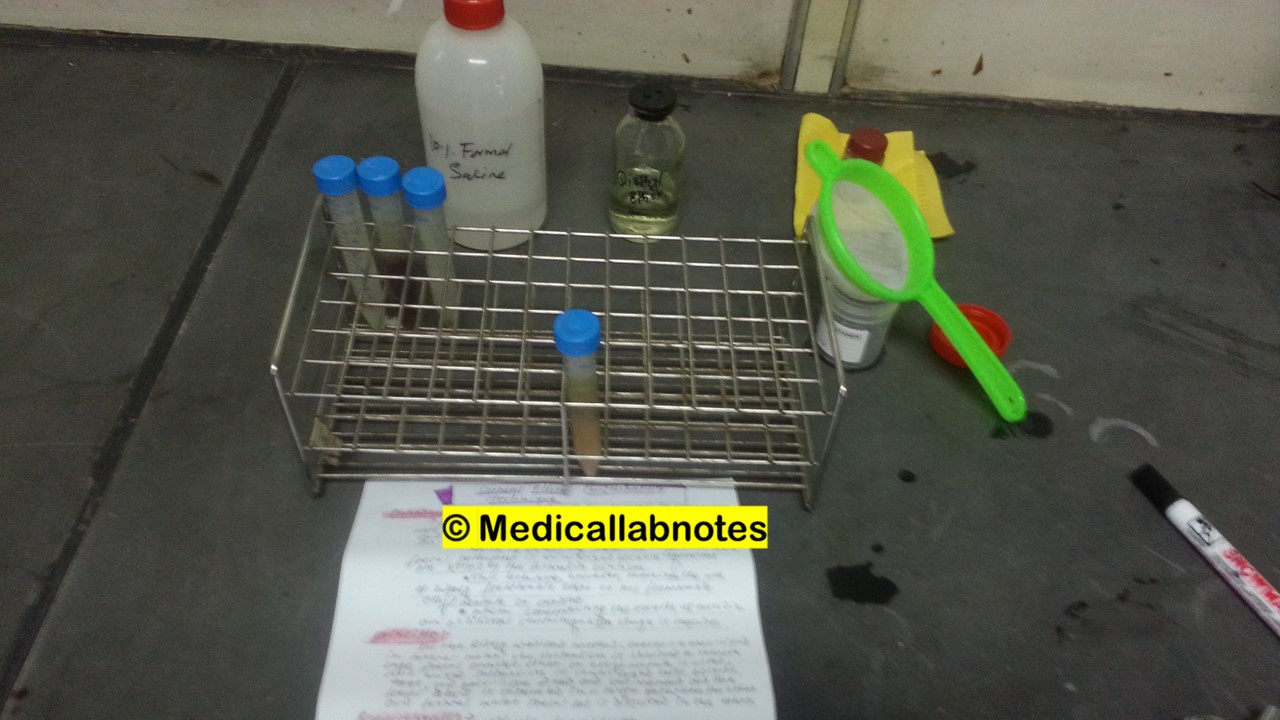
Formal Ether Concentration Technique-Introduction, Principle, Test Requirements, Test Procedure, Uses, and Keynotes

Formal Ether Concentration Technique

Introduction The Formal Ether Concentration Technique is a laboratory method used to concentrate parasitic organisms, such as eggs, larvae, or cysts, from a fecal sample. It is particularly useful for the detection of intestinal parasites that may be present in low numbers and are difficult …

Read more