Second-Line Drug Susceptibility Testing (SL-DST) for Tuberculosis:Introduction, Principle, Procedure, Result-Interpretation, and Keynotes

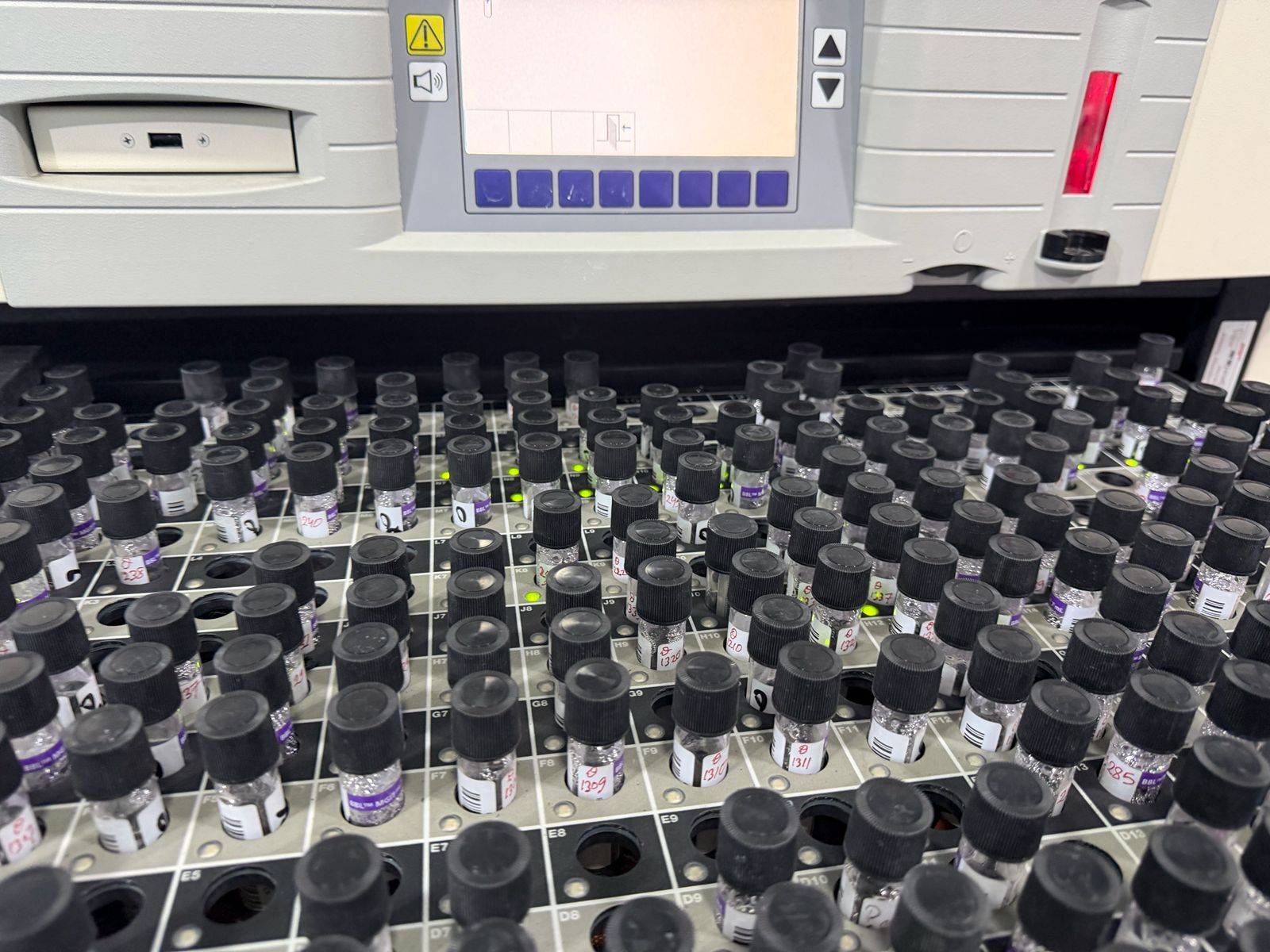
Phenotypic drug susceptibility testing (DST) of Mycobacterium tuberculosis using the BACTEC MGIT 960 system

Introduction Second-line drug susceptibility testing (SL-DST) for tuberculosis is a crucial laboratory procedure designed to detect resistance to anti-TB drugs used when first-line treatment fails (i.e., multidrug-resistant TB – MDR-TB).  Principle SL-DST measures the susceptibility of Mycobacterium tuberculosis to specific agents by determining the Critical …

Read more

Middlebrook 7H9 Broth: Introduction, Composition, Principle, Procedure, Result-Interpretation, Uses, and Keynotes

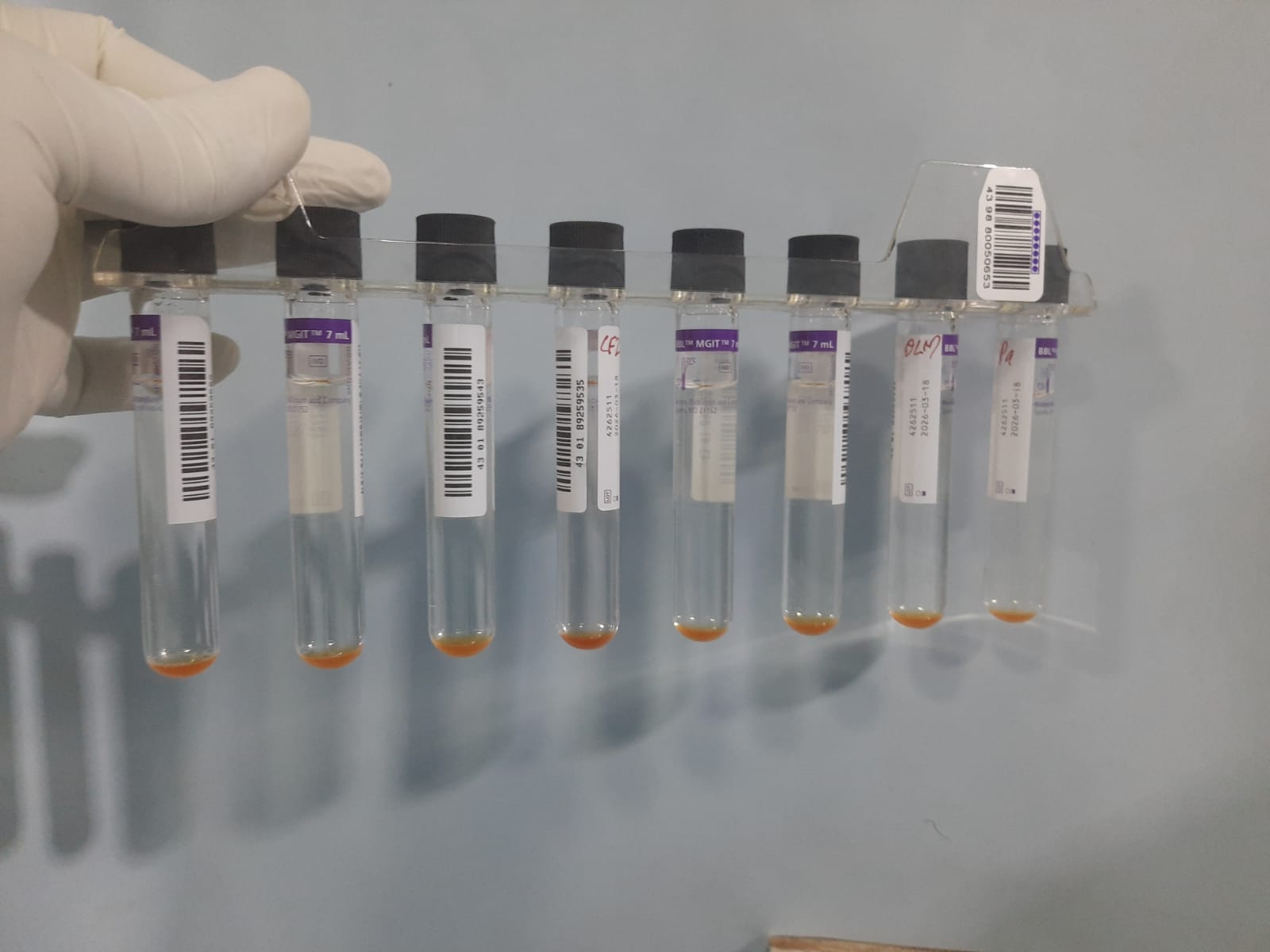
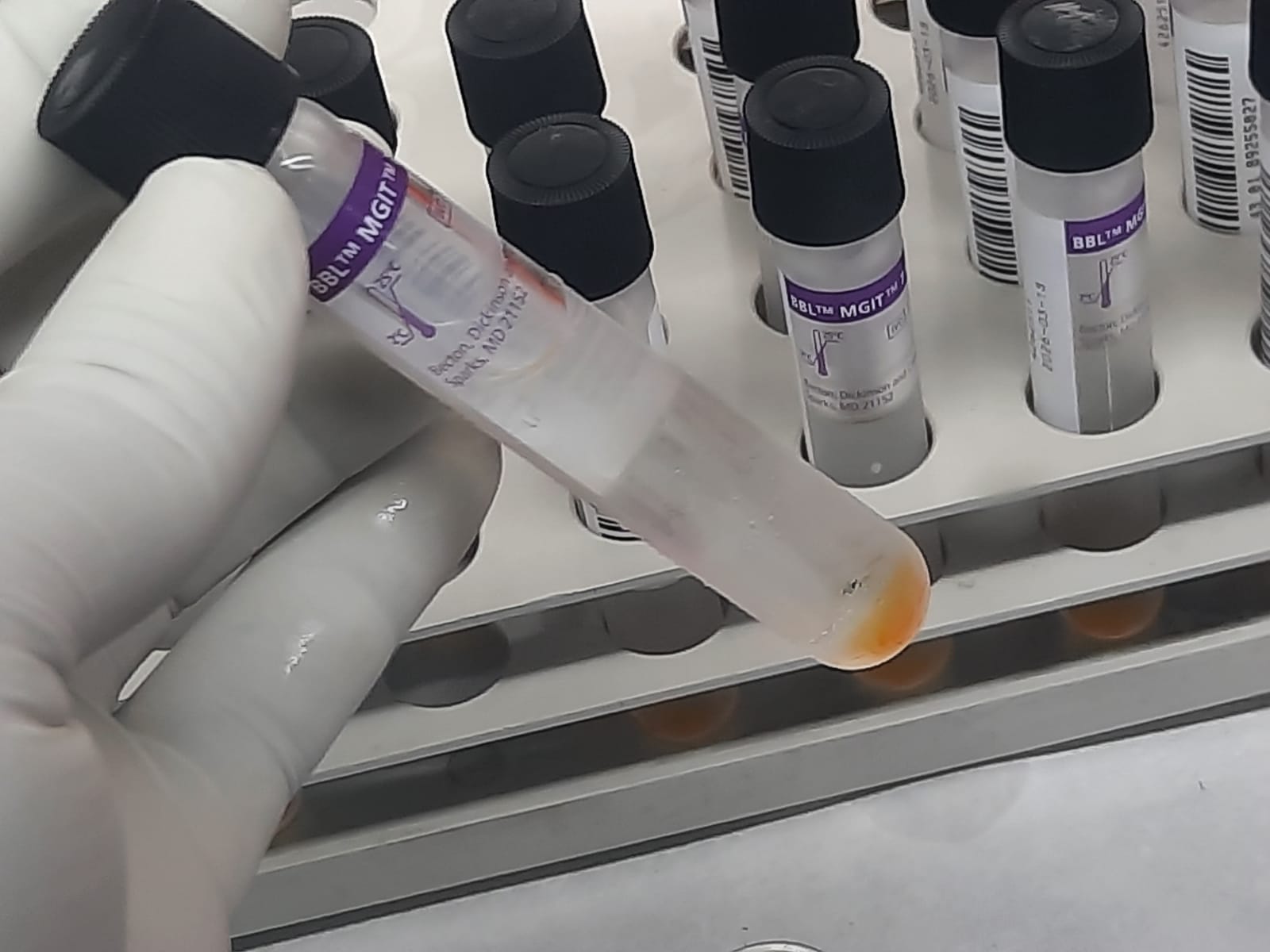
The BBL MGIT tube, showing Modified Middlebrook 7H9 Broth paired with an oxygen-sensitive fluorescent sensor for rapid diagnostic results

Introduction Middlebrook 7H9 broth is a liquid growth medium first described in 1958 by Middlebrook and Cohn for the specialized cultivation of Mycobacterium species. It is widely used in clinical and research settings for rapid growth, biochemical testing, and preparing inocula for drug susceptibility testing …

Read more

Morphological Characterization of MTBC: Identifying “Buff” Granular Growth in MGIT Liquid Culture

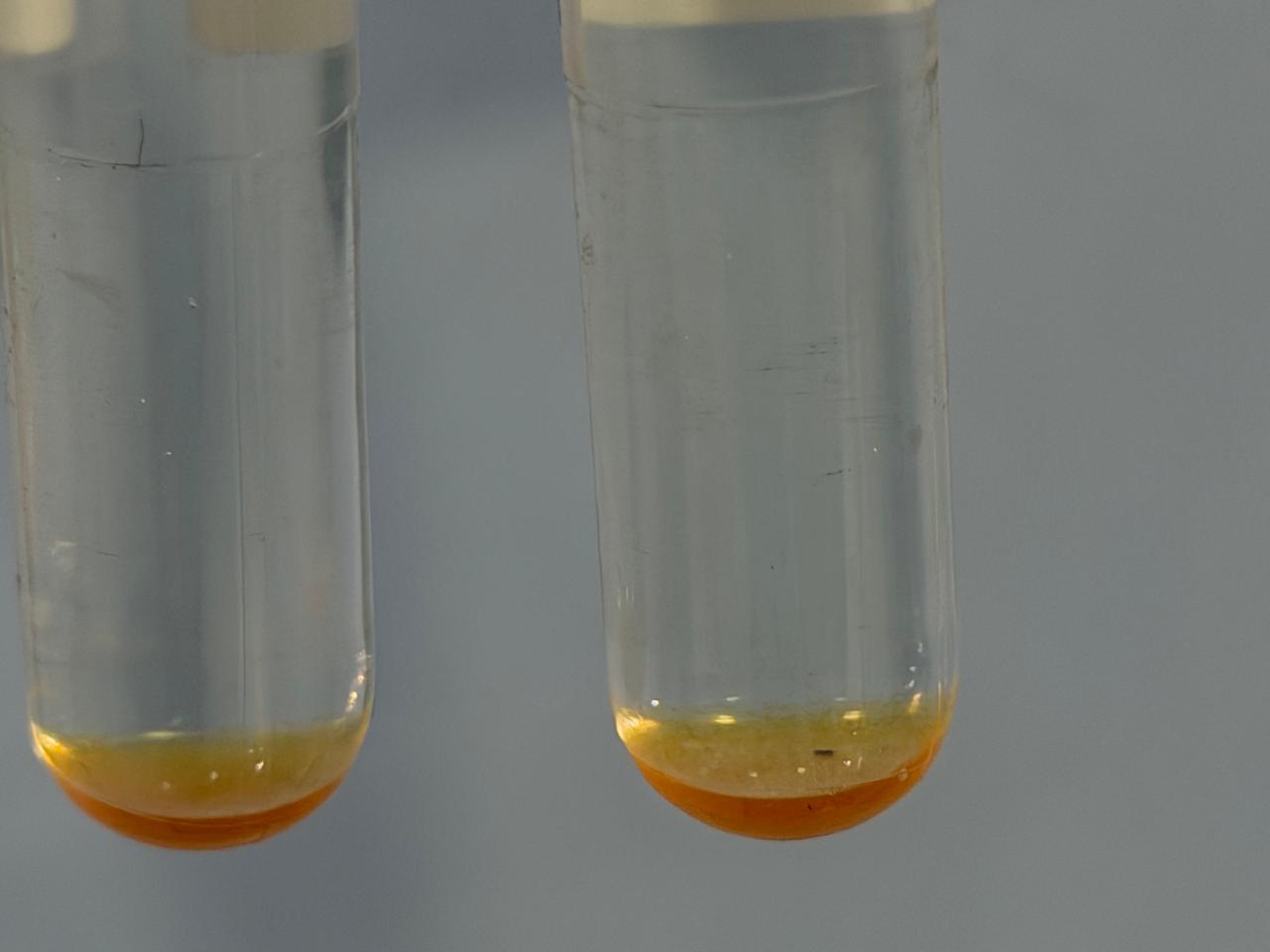
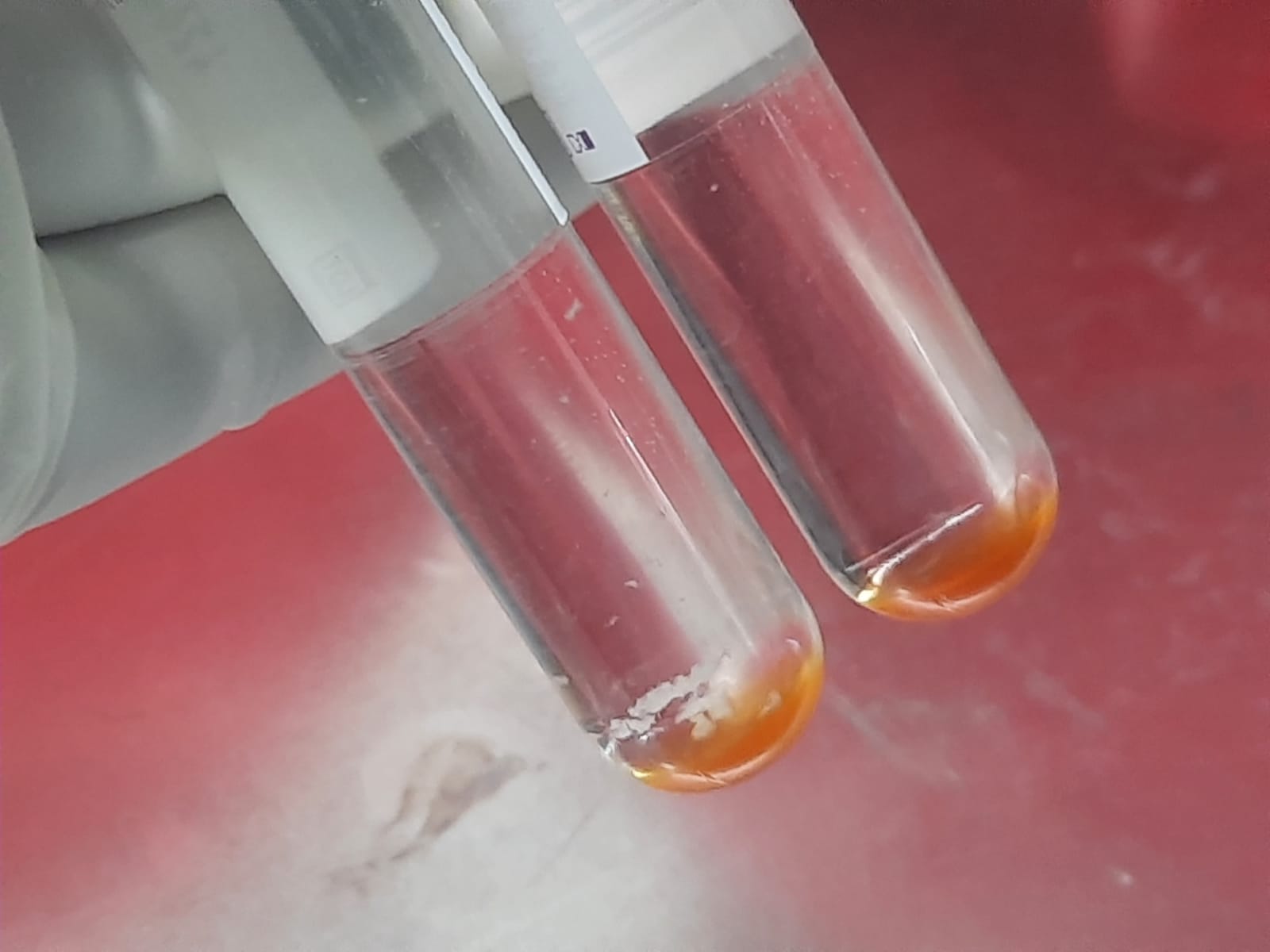
Levofloxacin-resistant MTBC-Left tube-Linezolid sensitive MTBC (right tube)

Visual Observation Technical Interpretation The MGIT Principle: These tubes contain a fluorescent sensor embedded in silicon at the bottom. As the MTBC metabolizes nutrients, it consumes dissolved oxygen. MTBC Characteristics The “buff-colored” (off-white to light yellow) and granular appearance is highly indicative of the M. …

Read more

Pseudomonas fluorescens: Introduction, Morphology, Pathogenicity, Lab Diagnosis, Treatment, Prevention, and Keynotes

Gram negative rods (GNRs) of Pseudomonas fluorescens in Gram staining of culture

Introduction Pseudomonas fluorescens inhabits diverse environments and thrives in soil and water. Moreover, it plays a significant role in nutrient cycling. The bacterium exists in numerous ecological niches and adapts quickly to changes. Furthermore, researchers study it for its beneficial and harmful properties. It interacts …

Read more

BD BACTEC Blood Culture System: Introduction, Principle, Processing, and Keynotes

BD BACTEC Blood Culture System_BACTEC 9050 Model-Inner View

Introduction The BD BACTEC Blood Culture System is an advanced diagnostic tool for detecting bloodstream infections. It automates microbial culture monitoring with high sensitivity and rapid turnaround time. Additionally, it employs fluorescence-based technology to measure carbon dioxide produced by microbes. Moreover, the system continuously monitors …

Read more

Fungal Microscopy: Introduction, List of Tests, Application, and Keynotes

Fungal Microscopy: Introduction, List of Tests, Application, and Keynotes

Introduction Fungal microscopy visualizes fungi in clinical specimens. Moreover, it diagnoses fungal infections rapidly.Additionally, it identifies fungal morphology and structures. Furthermore, it guides antifungal therapy decisions. Consequently, it plays a crucial role in clinical mycology. List of Tests for Fungal Microscopic Examination Firstly, the KOH …

Read more