MDR-TB to Pre-XDR-TB and XDR-TB Differences: Introduction, Differences, and Critical Clinical Differences

MDR-TB to Pre-XDR-TB and XDR-TB Differences- Introduction, Differences, and Critical Clinical Differences

Introduction The core difference between these forms of drug-resistant tuberculosis (DR-TB) lies in which specific medications the Mycobacterium tuberculosis bacteria can survive. As resistance progresses from MDR-TB to Pre-XDR-TB and finally XDR-TB, treatment becomes longer, more complex, and relies on scarcer second-line drugs. Differences Comparison …
Read more

Second-Line Drug Susceptibility Testing (SL-DST) for Tuberculosis:Introduction, Principle, Procedure, Result-Interpretation, and Keynotes

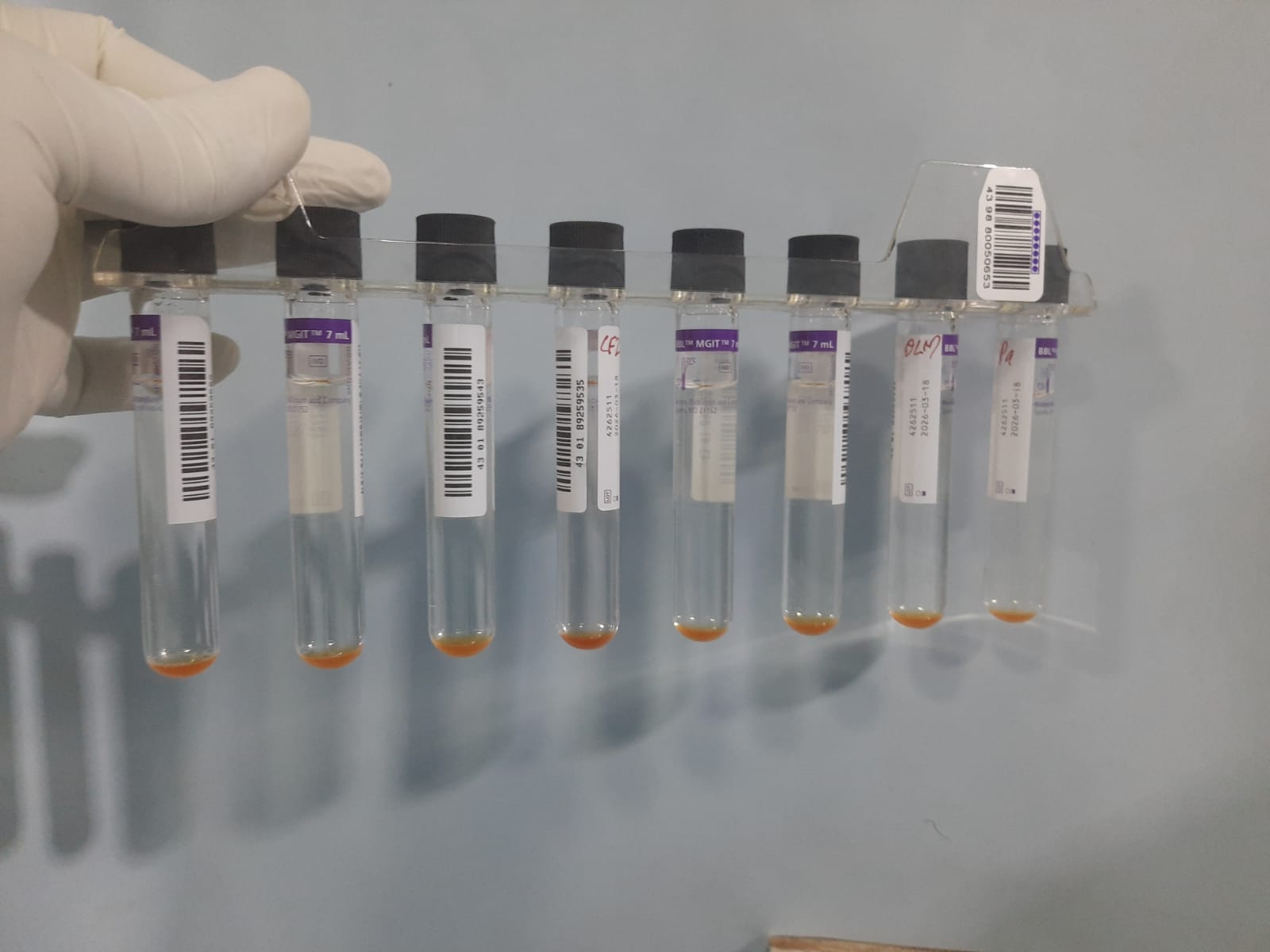
Phenotypic drug susceptibility testing (DST) of Mycobacterium tuberculosis using the BACTEC MGIT 960 system

Introduction Second-line drug susceptibility testing (SL-DST) for tuberculosis is a crucial laboratory procedure designed to detect resistance to anti-TB drugs used when first-line treatment fails (i.e., multidrug-resistant TB – MDR-TB).  Principle SL-DST measures the susceptibility of Mycobacterium tuberculosis to specific agents by determining the Critical …

Read more

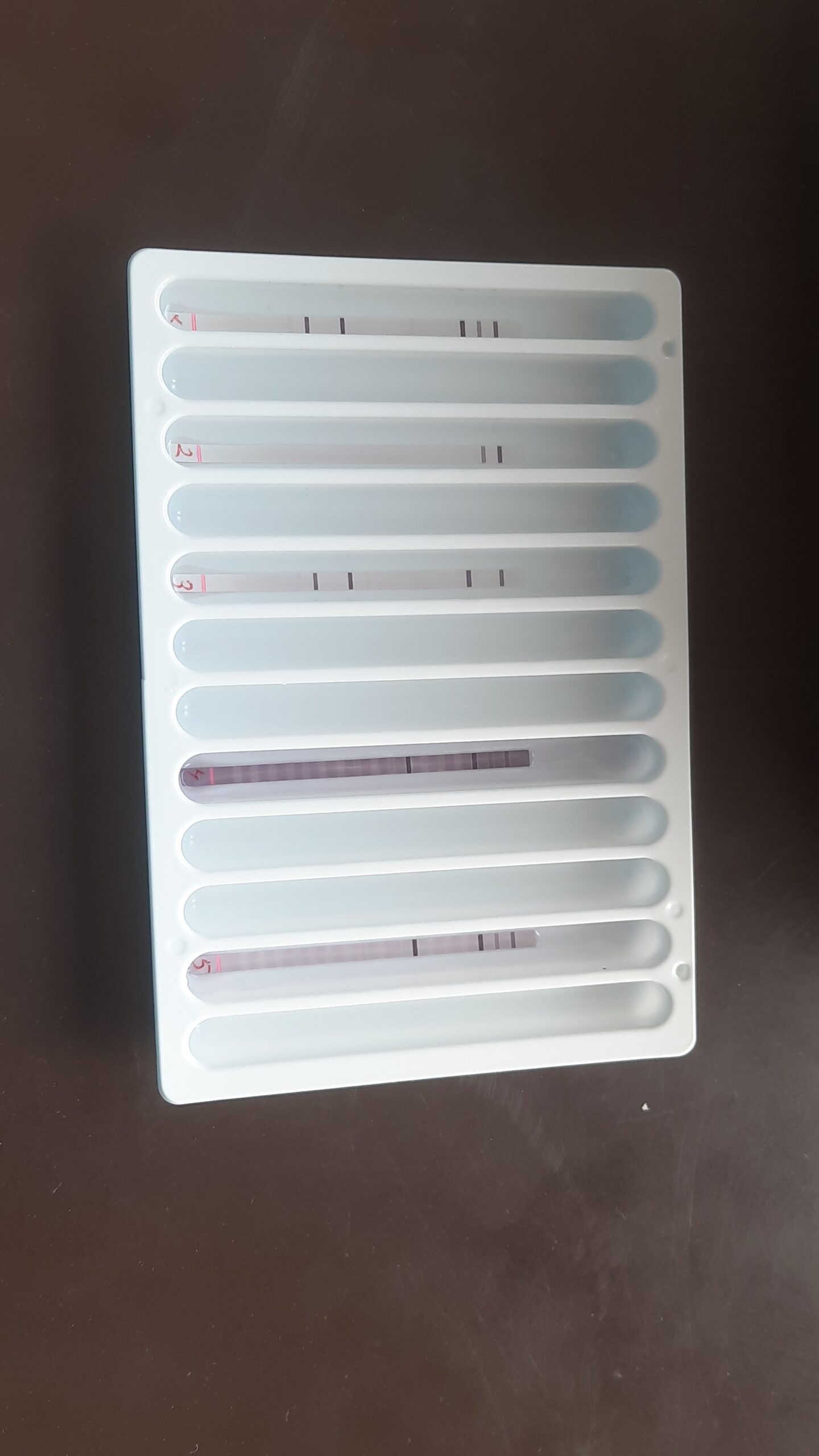
Line Probe Assay (LPA) for Tuberculosis -Introduction, Principle, Test Requirements, Procedure, Result-Interpretation, and Keynotes

Line Probe Assay (LPA) for Tuberculosis -Introduction, Principle, Test Requirements, Procedure, Result-Interpretation, and Keyno

Introduction The Line Probe Assay (LPA) is a rapid molecular diagnostic test used to detect Mycobacterium tuberculosis complex (MTBC) and its resistance to anti-tuberculosis drugs. It identifies specific mutations in the genes associated with drug resistance by hybridizing amplified DNA onto membrane strips.  The LPA is a …

Read more