Second-Line Drug Susceptibility Testing (SL-DST) for Tuberculosis:Introduction, Principle, Procedure, Result-Interpretation, and Keynotes

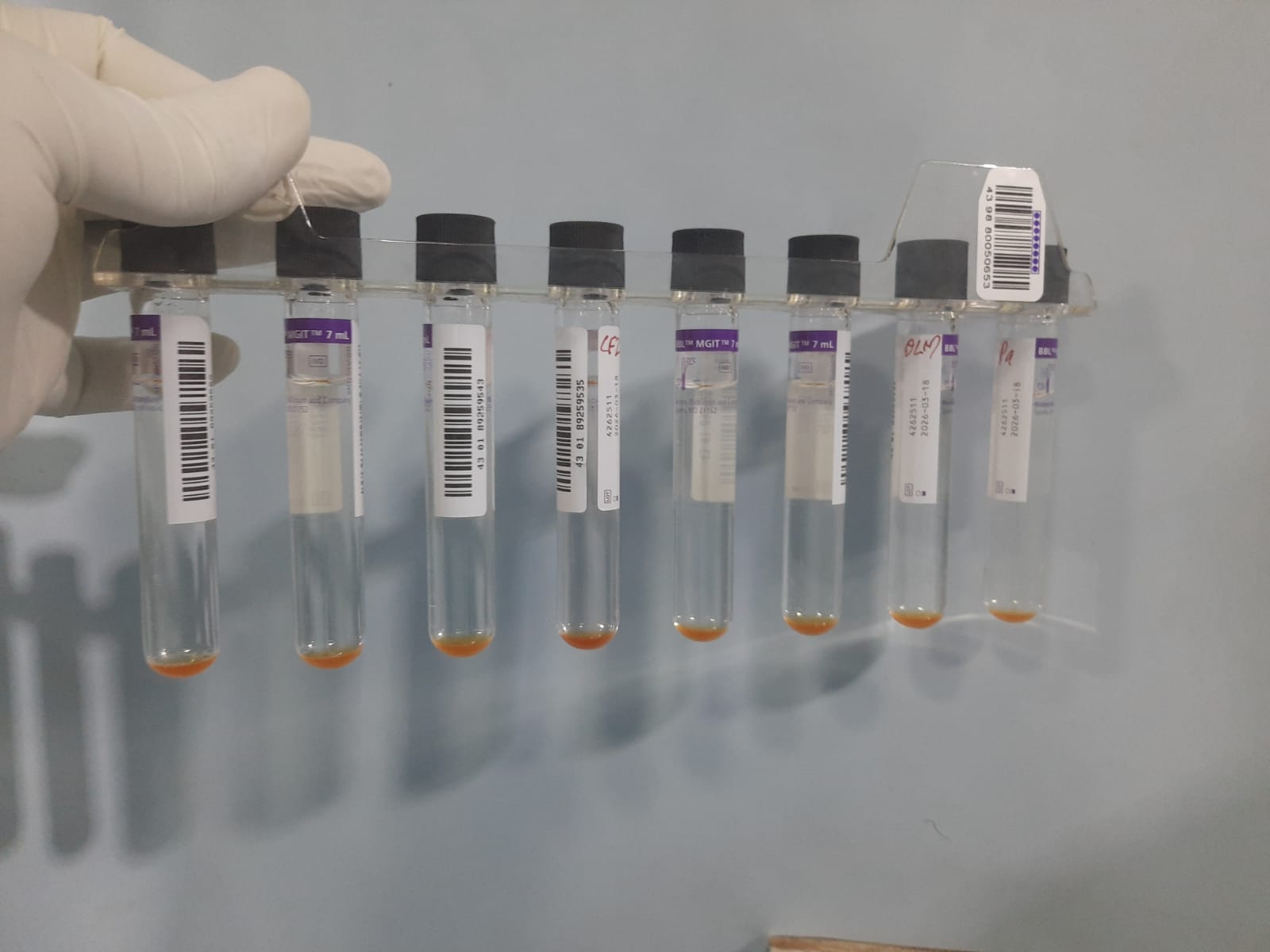
Phenotypic drug susceptibility testing (DST) of Mycobacterium tuberculosis using the BACTEC MGIT 960 system

Introduction Second-line drug susceptibility testing (SL-DST) for tuberculosis is a crucial laboratory procedure designed to detect resistance to anti-TB drugs used when first-line treatment fails (i.e., multidrug-resistant TB – MDR-TB).  Principle SL-DST measures the susceptibility of Mycobacterium tuberculosis to specific agents by determining the Critical …

Read more

Xpert MTB-XDR: Introduction, Principle, Procedure, Result-Interpretation, Uses, and Keynotes

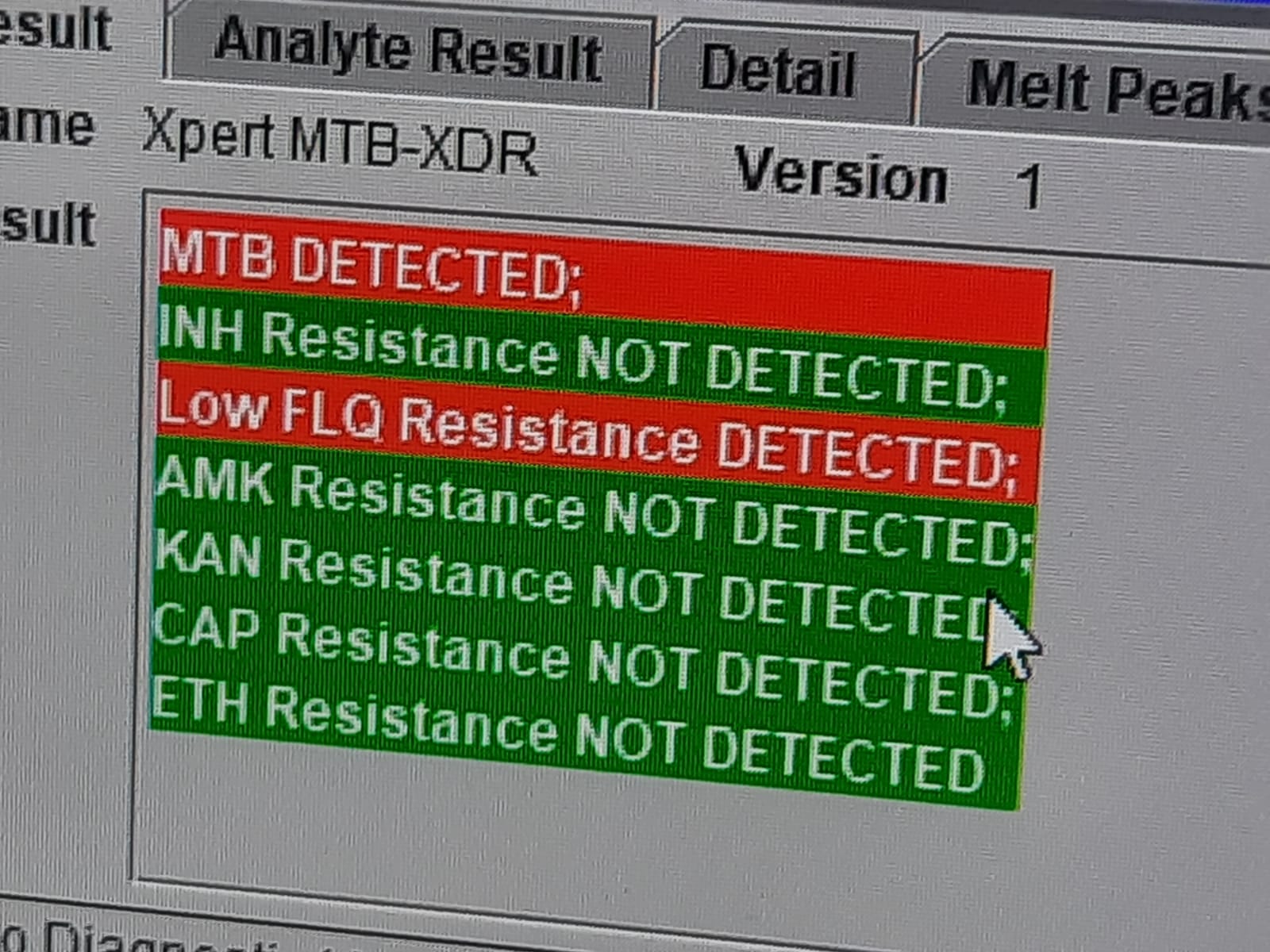
The image shows a GeneXpert software interface displaying an Xpert MTB/XDR test result with M. tuberculosis (MTB) detected and a specific drug resistance profile.Key Findings:MTB DETECTED: Positive for Mycobacterium tuberculosis complex.Low FLQ Resistance DETECTED: Indicates low-level resistance to fluoroquinolones (e.g., levofloxacin or moxifloxacin).Resistance NOT DETECTED: No mutations were found for isoniazid (INH), amikacin (AMK), kanamycin (KAN), capreomycin (CAP), or ethionamide (ETH).This result is consistent with a pre-XDR-TB diagnosis, as there is resistance to fluoroquinolones but susceptibility to second-line injectables.

Introduction The Xpert MTB/XDR assay is an advanced molecular diagnostic tool designed by Cepheid to rapidly detect Mycobacterium tuberculosis complex (MTBC) and its resistance to multiple first- and second-line drugs. Launched in 2021, it is categorized as a “low complexity” automated nucleic acid amplification test …

Read more

Nontuberculous Mycobacteria (NTM): Introduction, Morphology, Pathogenicity, Lab Diagnosis, Treatment, Prevention, and Keynotes

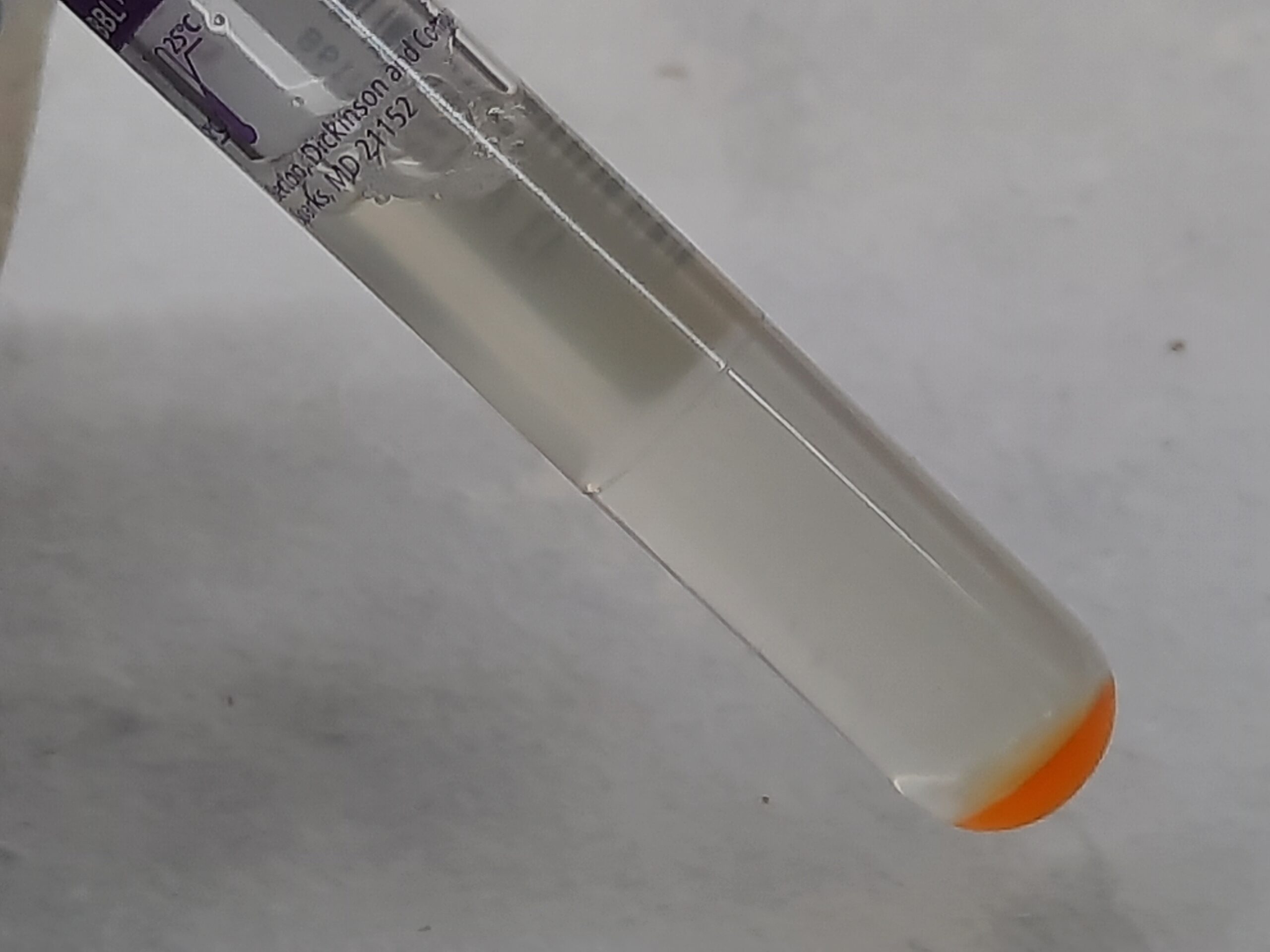
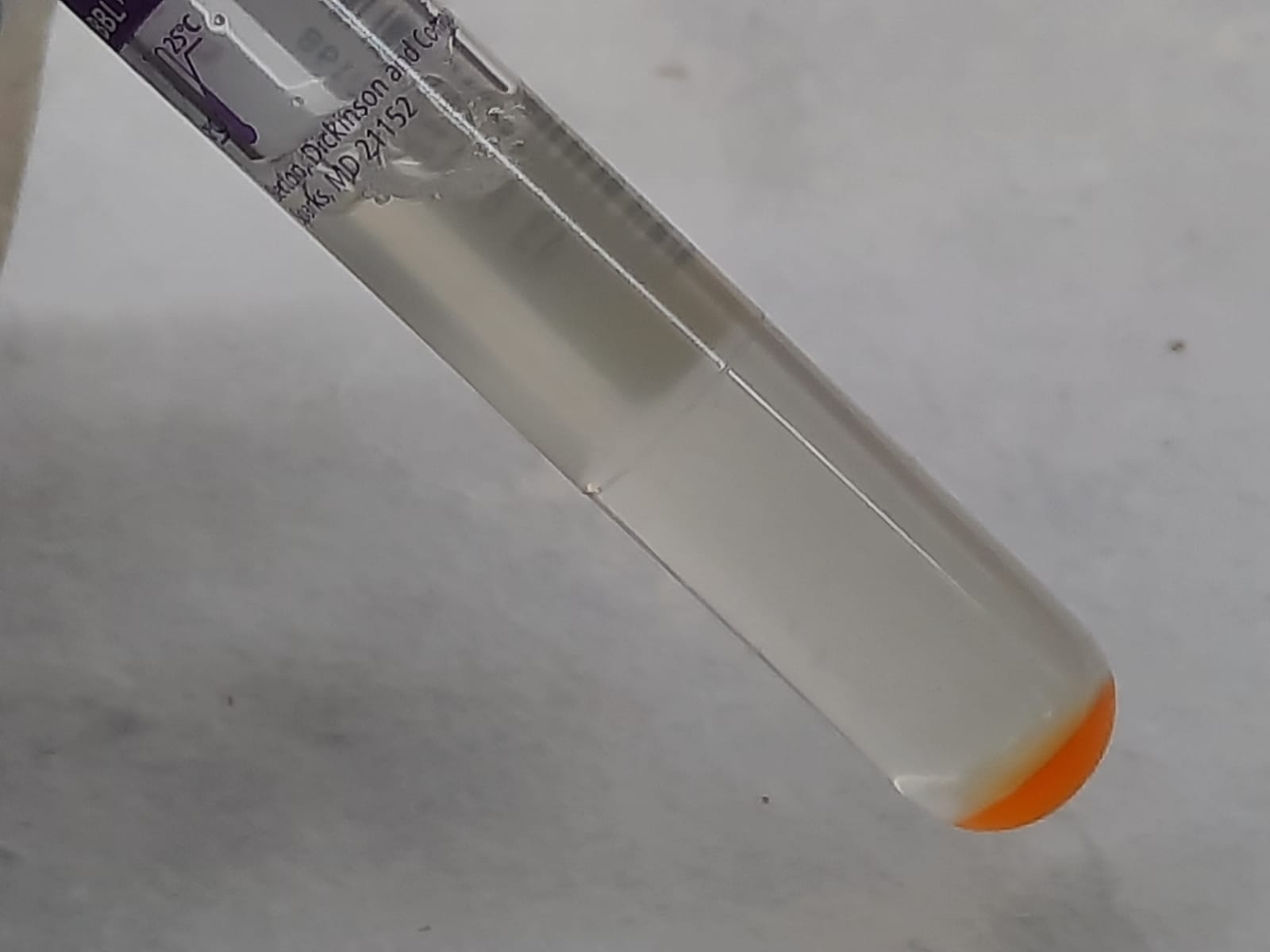
Turbid growth of Nontuberculous Mycobacteria (NTM), Mycobacterium fortuitum in a Mycobacteria Growth Indicator Tube (MGIT)

Introduction Nontuberculous Mycobacteria (NTM) are a large group of over 190 species of mycobacteria that are present in the environment (soil and water). They do not cause tuberculosis or leprosy, and they are opportunistic pathogens, largely infecting individuals with pre-existing lung conditions, weakened immunity, or …

Read more

Mycobacterium fortuitum : Introduction, Morphology, Pathogenicity, Lab Diagnosis, Treatment, Prevention, and Keynotes

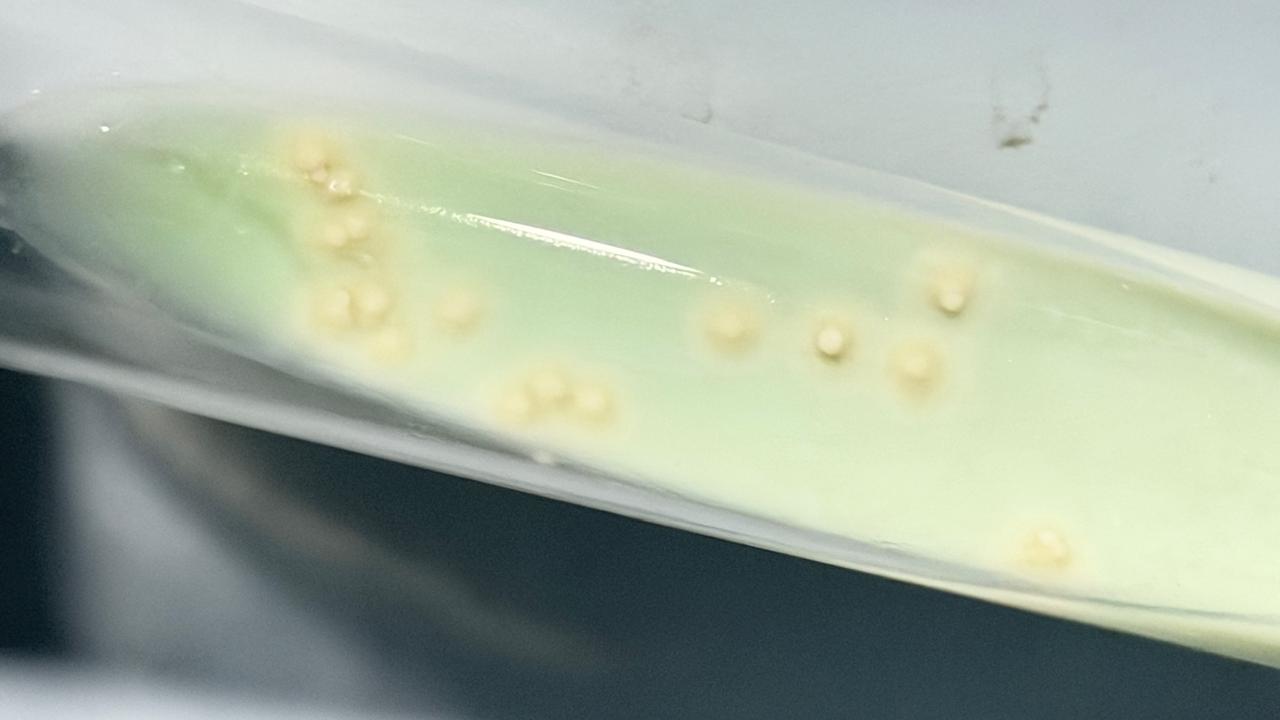
Mycobacterium fortuitum growth on modified Middlebrook 7H9 broth with PANTA supplement after 3 days of incubation

Introduction Mycobacterium fortuitum is a rapidly growing, nontuberculous mycobacterium (NTM). It is found ubiquitously in the environment, primarily associated with skin, soft tissue, and post-surgical wound infections. As an opportunistic pathogen that is known for its ability to grow within 7 days, it often causes infections …

Read more

Nocardia – Introduction, Morphology, Pathogenicity, Lab Diagnosis, Treatment, Prevention, and Keynotes

Nocardia species slow-growing, chalky white to tan, dry, and adherent colonies on blood agar

Introduction Nocardia is a genus of aerobic, gram-positive bacteria. It belongs to the actinomycetes group. These bacteria are partially acid-fast due to mycolic acid in their cell walls. They commonly appear as branching filamentous rods. Nocardia species are found in soil and water. They can …

Read more