Pseudomonas putida: Introduction, Morphology, Pathogenicity, Lab Diagnosis, Treatment, and Prevention
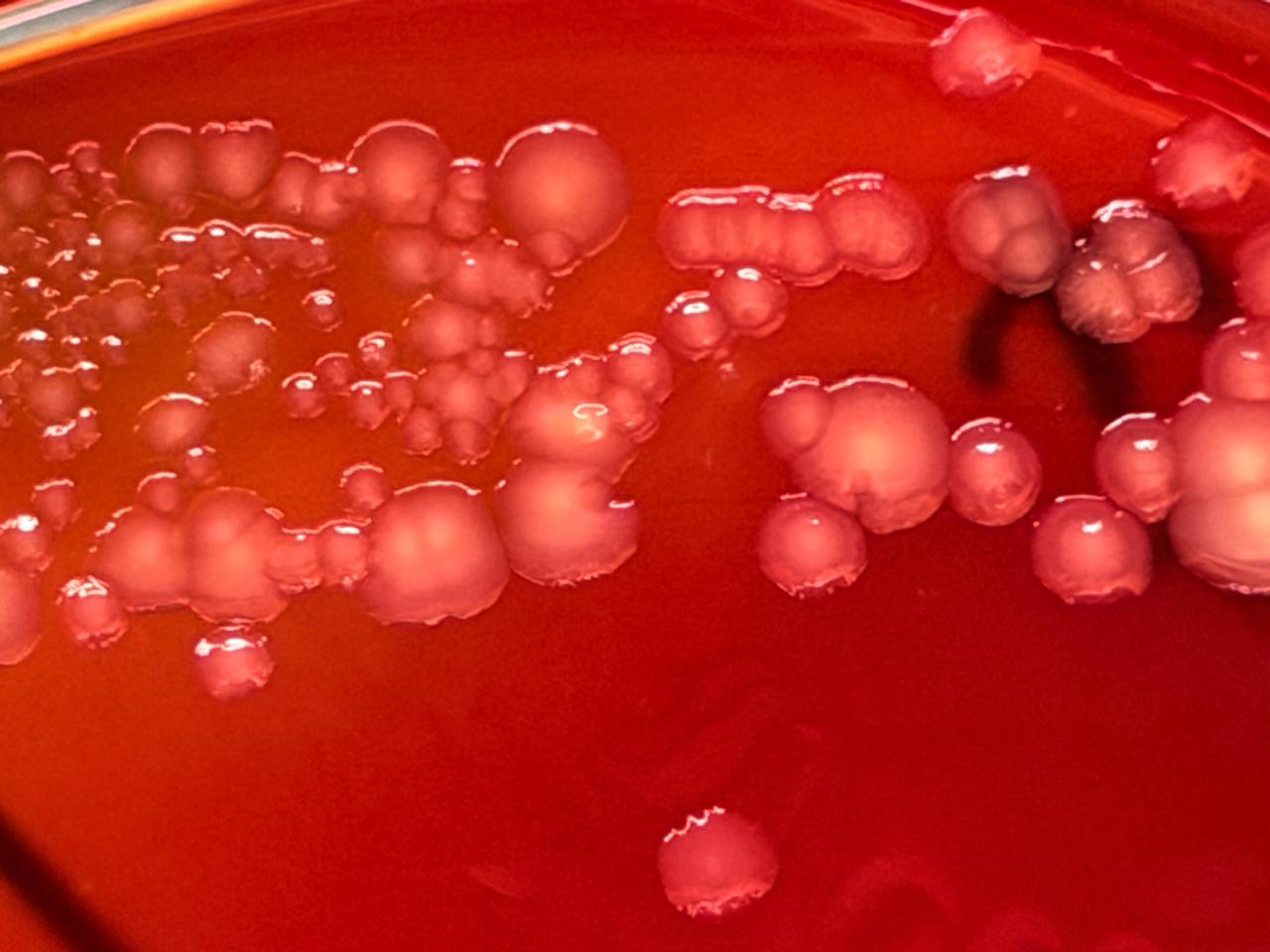
Pseudomonas putida colony morphology on blood agar after 48 hours of incubation

Introduction Pseudomonas putida is a versatile, Gram-negative, rod-shaped bacterium primarily known for its bioremediation capabilities but recognized as a rare opportunistic human pathogen. Found globally in soil, water, and plant roots, it thrives in diverse environments due to its unique metabolic endurance. Morphology and Characteristics …
Read more

Middlebrook 7H9 Broth: Introduction, Composition, Principle, Procedure, Result-Interpretation, Uses, and Keynotes

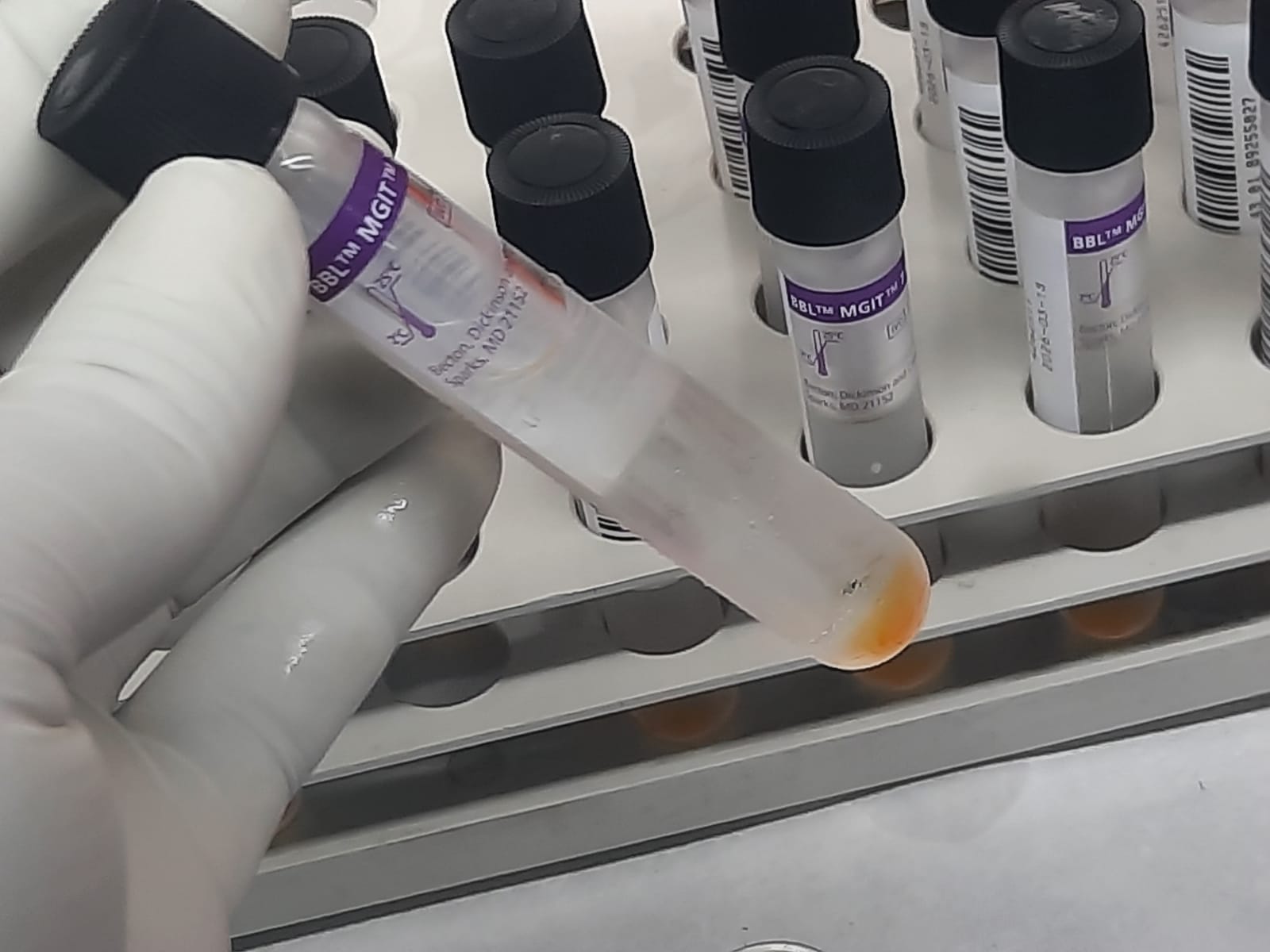
The BBL MGIT tube, showing Modified Middlebrook 7H9 Broth paired with an oxygen-sensitive fluorescent sensor for rapid diagnostic results

Introduction Middlebrook 7H9 broth is a liquid growth medium first described in 1958 by Middlebrook and Cohn for the specialized cultivation of Mycobacterium species. It is widely used in clinical and research settings for rapid growth, biochemical testing, and preparing inocula for drug susceptibility testing …

Read more