Mini-Centrifuge-Introduction, Principle, Handling Procedure, Application, and Keynotes

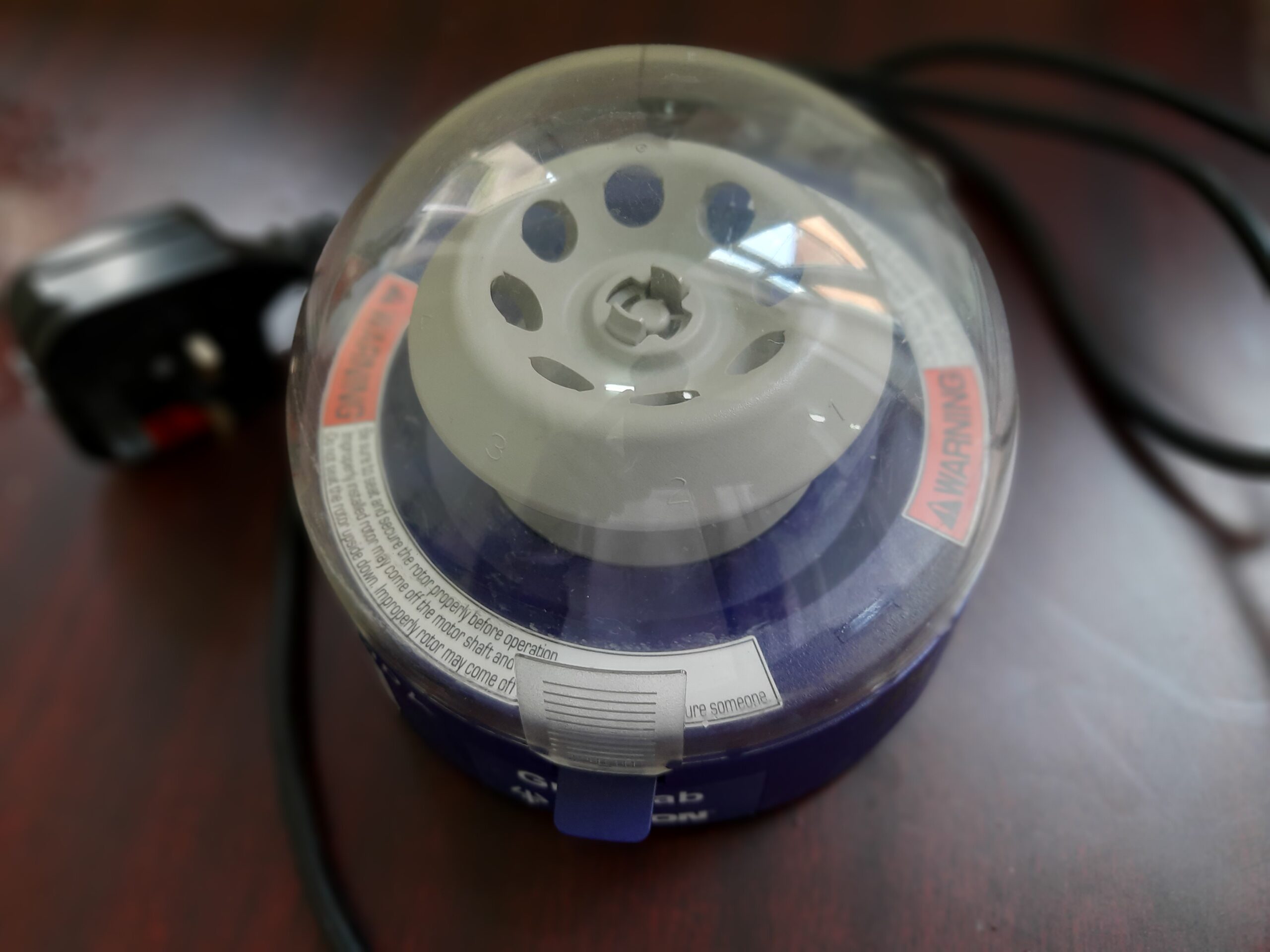
This image shows a compact benchtop mini-centrifuge with a clear dome lid, designed for quick spin-downs of laboratory microtubes.

Introduction Also known as a microcentrifuge, this compact tool is a staple in biological, clinical, and molecular laboratories. Unlike massive, refrigerated floor models, mini-centrifuges are designed for quick spins. They typically accommodate 0.2 mL to 2.0 mL microcentrifuge tubes and feature fixed-angle rotors that reach …

Read more

Middlebrook 7H9 Broth: Introduction, Composition, Principle, Procedure, Result-Interpretation, Uses, and Keynotes

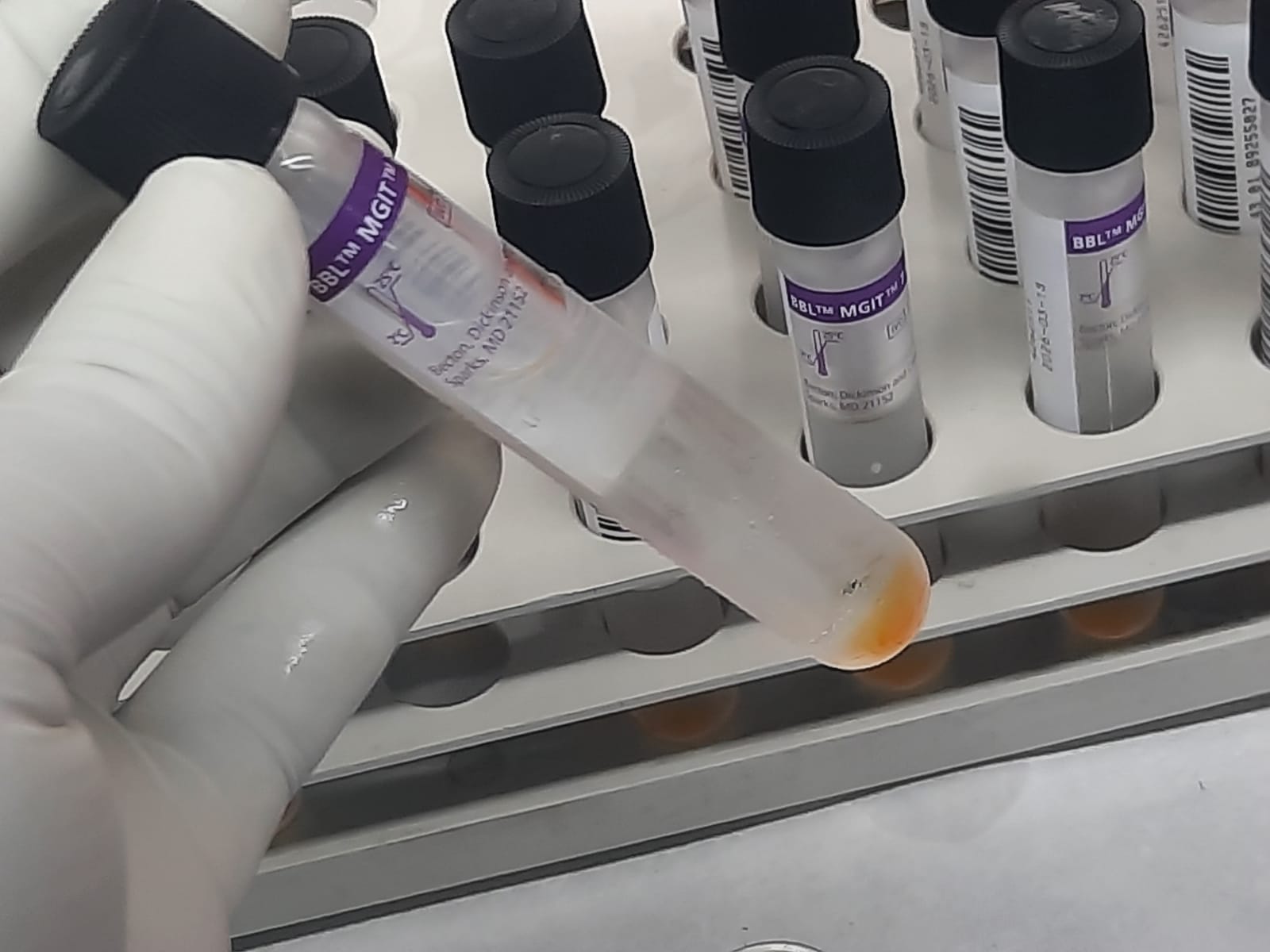
The BBL MGIT tube, showing Modified Middlebrook 7H9 Broth paired with an oxygen-sensitive fluorescent sensor for rapid diagnostic results

Introduction Middlebrook 7H9 broth is a liquid growth medium first described in 1958 by Middlebrook and Cohn for the specialized cultivation of Mycobacterium species. It is widely used in clinical and research settings for rapid growth, biochemical testing, and preparing inocula for drug susceptibility testing …

Read more

Glass Beads in TB Lab: Introduction, Function, Uses, and Keynotes

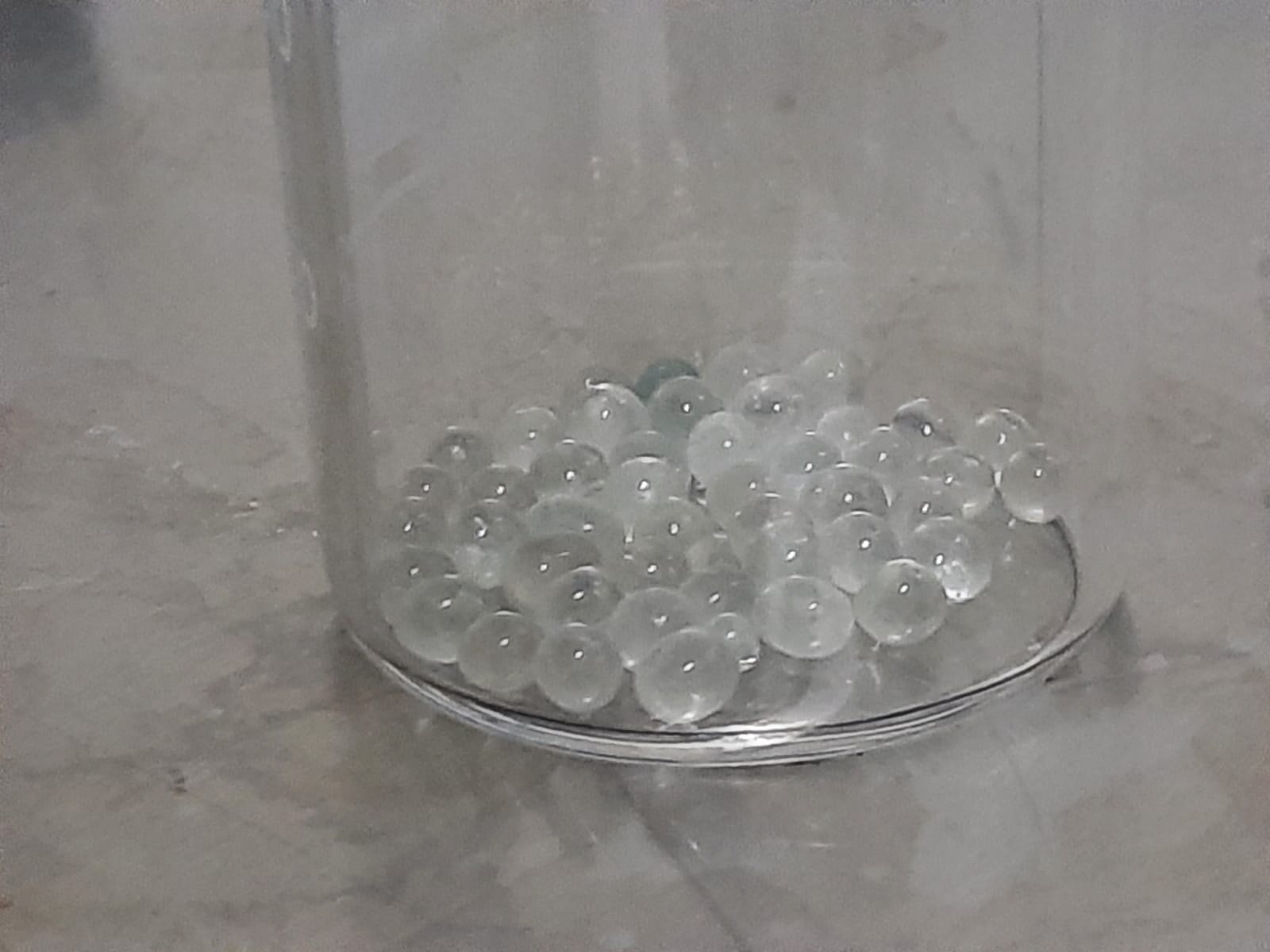
Sterile glass beads used for sample homogenization and bacterial culture preservation in a TB laboratory

Introduction to Glass Beads In a Tuberculosis (TB) laboratory, glass beads are essential tools primarily used to homogenize thick clinical samples and preserve live bacterial cultures. Their chemical inertness and durability make them ideal for handling the highly infectious and lipid-rich Mycobacterium tuberculosis (Mtb).  Glass beads are …

Read more