Laminar Air Flow (LAF)Hood/Cabinet: Introduction, Principle, Parts, Handling Procedure, Uses, and Keynotes

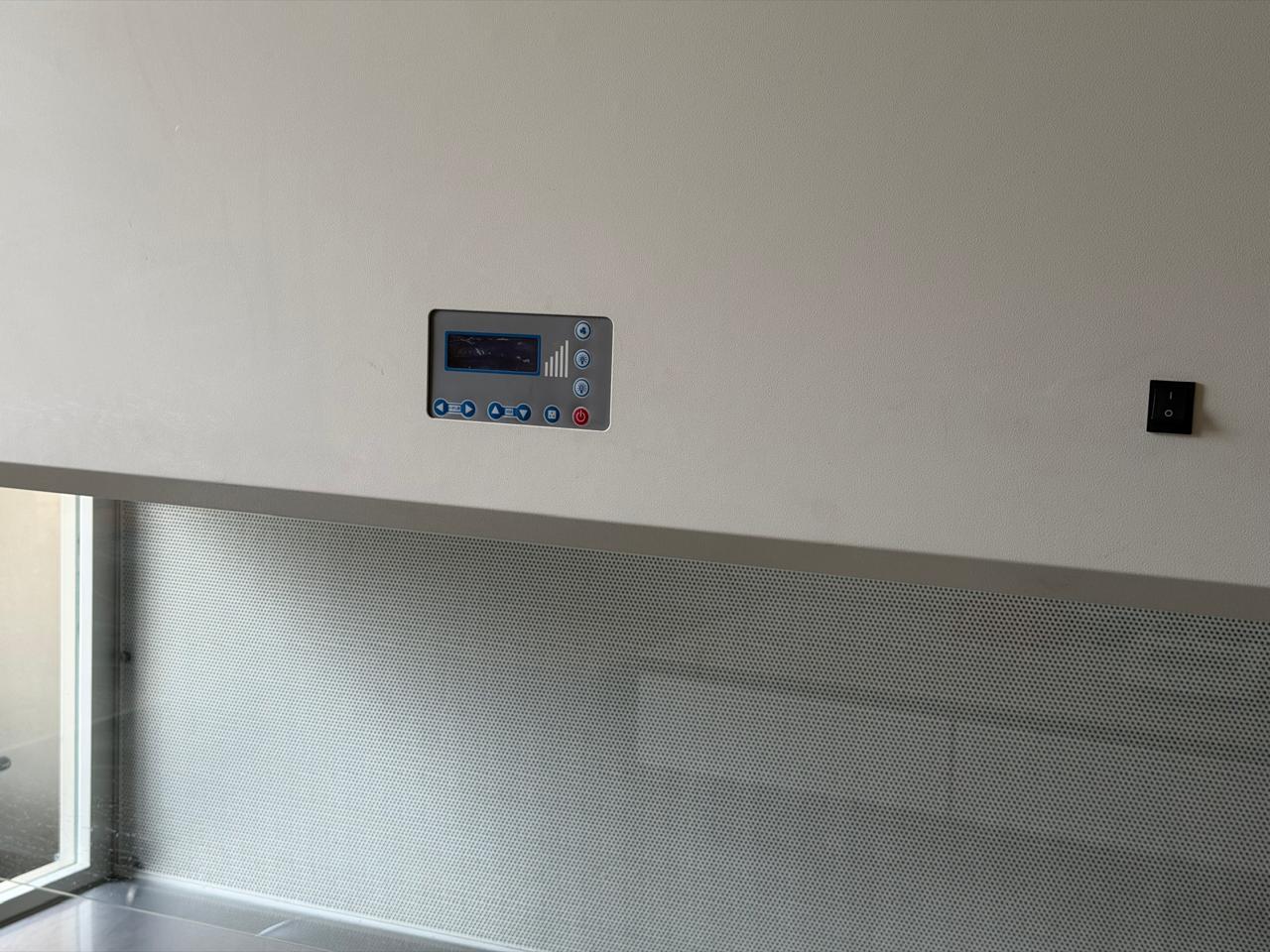
Laminar Air Flow (LAF)Hood or Cabinet with A sleek control panel and power switch mounted on a white wall above a textured gray backsplash

Introduction A Laminar Air Flow cabinet creates a sterile work environment by capturing dust and microbes through a filtration system and exhausting the air across the work surface in a uniform, unidirectional stream. It provides product protection but does not protect the operator from hazardous …

Read more

Decoding BSC Warnings: When Digital Gauges and Magnehelics Don’t Match

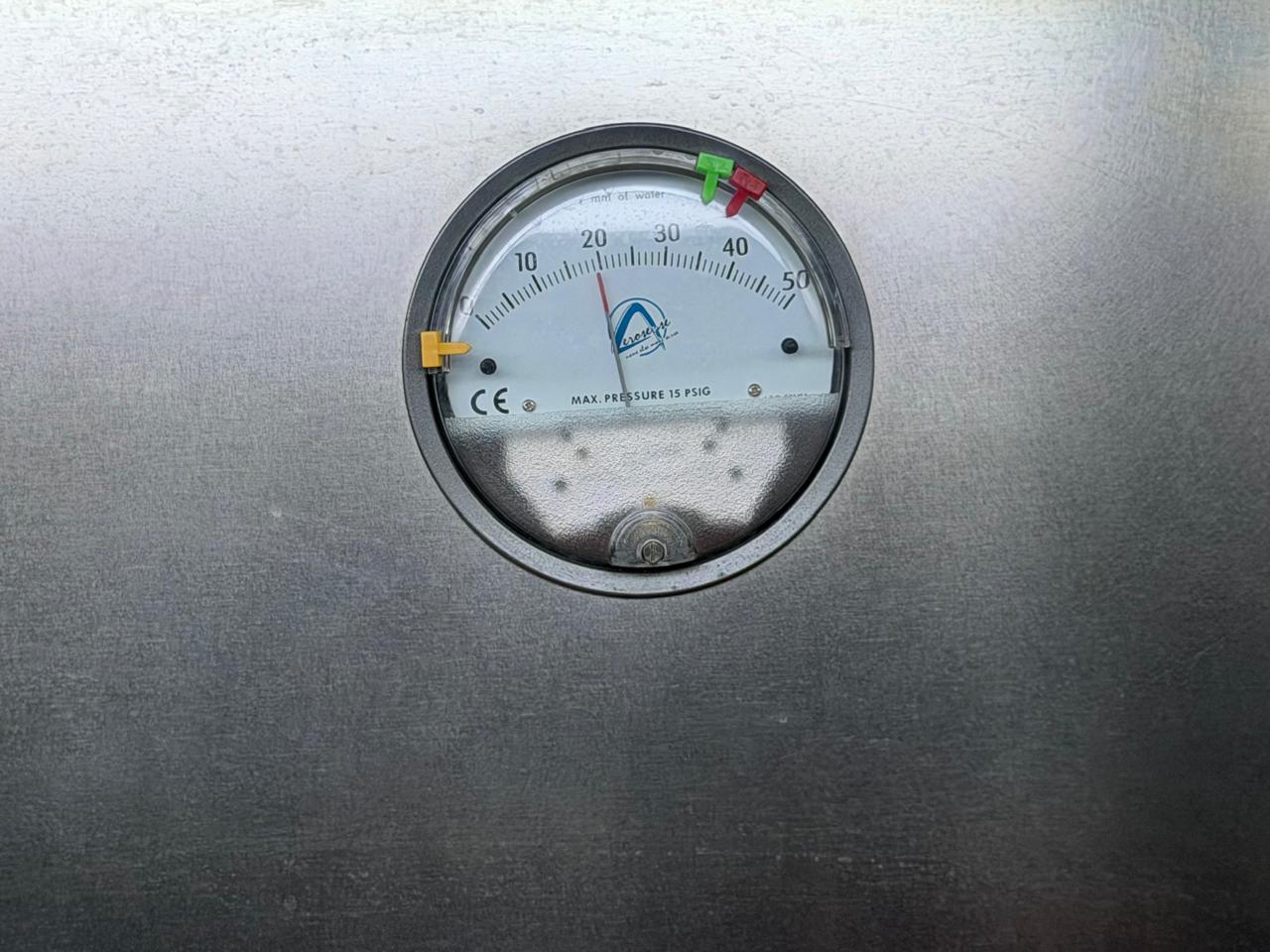
This image shows a Magnehelic-style differential pressure gauge, which measures the static pressure drop across the internal HEPA or ULPA filters of your biosafety cabinet

No, several crucial velocity parameters on the screen are currently operating far outside their safe range, as shown in the image below. When operating correctly, these containment units keep personnel and samples safe via balanced, controlled airflow velocities. Here is an analysis of the current …

Read more

Contamination in L-J Media: Introduction, Common Contaminant, Identification clues, Minimization tricks, and Keynotes 

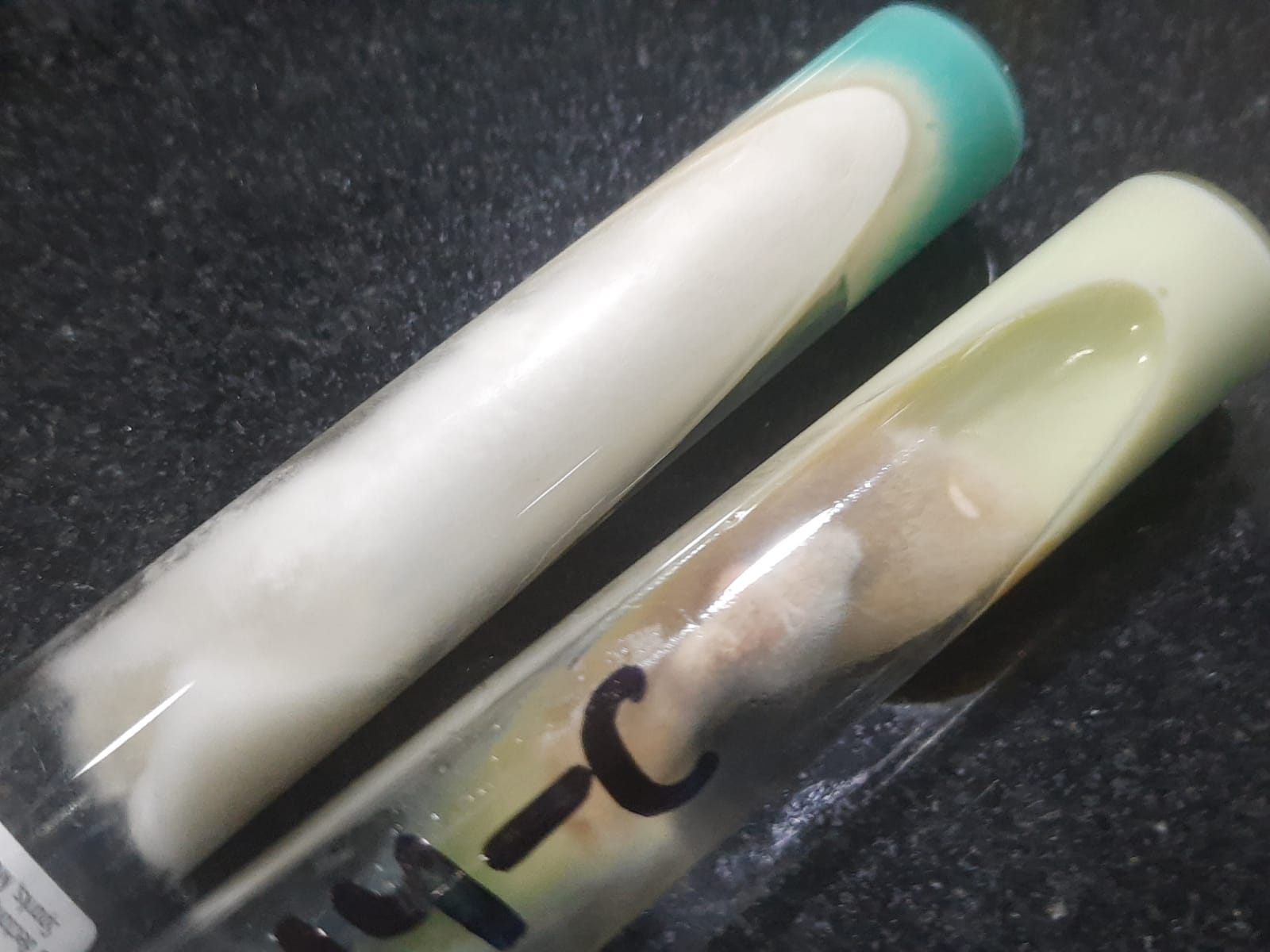
Advanced Fungal Contamination and Decolorization of L-J Medium: Fungal Overgrowth-The slants show dense, white, "cotton-like" mycelial growth. This morphology is a classic indicator of contamination by environmental molds, such as Aspergillus or Penicillium. Media Alteration- There is a total loss of the characteristic malachite green color. The medium has turned pale yellow or colorless, suggesting a significant shift in pH or the enzymatic degradation of the selective agent by the contaminants. Diagnostic Interpretation-The rapid growth of these organisms has completely masked any potential slow-growing Mycobacterium tuberculosis. These cultures are invalid and must be recorded as contaminated.

Introduction Lowenstein-Jensen (L-J) medium is the gold standard for the cultivation of Mycobacterium tuberculosis. However, because it is an egg-based, non-selective (or semi-selective) medium that requires long incubation periods, it is highly susceptible to contamination. L-J medium is rich in nutrients (eggs, glycerol, potato flour), …

Read more

Glass Beads in TB Lab: Introduction, Function, Uses, and Keynotes

Sterile glass beads used for sample homogenization and bacterial culture preservation in a TB laboratory

Introduction to Glass Beads In a Tuberculosis (TB) laboratory, glass beads are essential tools primarily used to homogenize thick clinical samples and preserve live bacterial cultures. Their chemical inertness and durability make them ideal for handling the highly infectious and lipid-rich Mycobacterium tuberculosis (Mtb).  Glass beads are …

Read more

Laboratory Requirements for Evaluating Mushroom Antifungal Activity against Clinical Dermatophytes

Laboratory Requirements for Evaluating Mushroom Antifungal Activity against Clinical Dermatophytes

Introduction To effectively evaluate mushrooms’ antifungal activity against clinical dermatophytes, laboratories require specialized equipment and techniques for fungal isolation, identification, and susceptibility testing. These include media for fungal culture, microscopy for morphological identification, and standardized methods like agar-based disk diffusion (ABDD) or broth microdilution for antifungal …

Read more

Biosafety Cabinet (BSC)-Introduction, Purpose and Function,  Working Mechanism, Types, and Application

Biosafety Cabinet (BSC)-Introduction, Purpose and Function,  Working Mechanism, Types, and Application

Introduction of Biosafety Cabinet (BSC) A biosafety cabinet (BSC) is a specialized enclosed, ventilated laboratory workspace that is designed for safely handling materials contaminated with pathogens or toxins. It protects the operator, the product being worked on, and the environment. BSC uses high-efficiency particulate air (HEPA)  filters to …

Read more