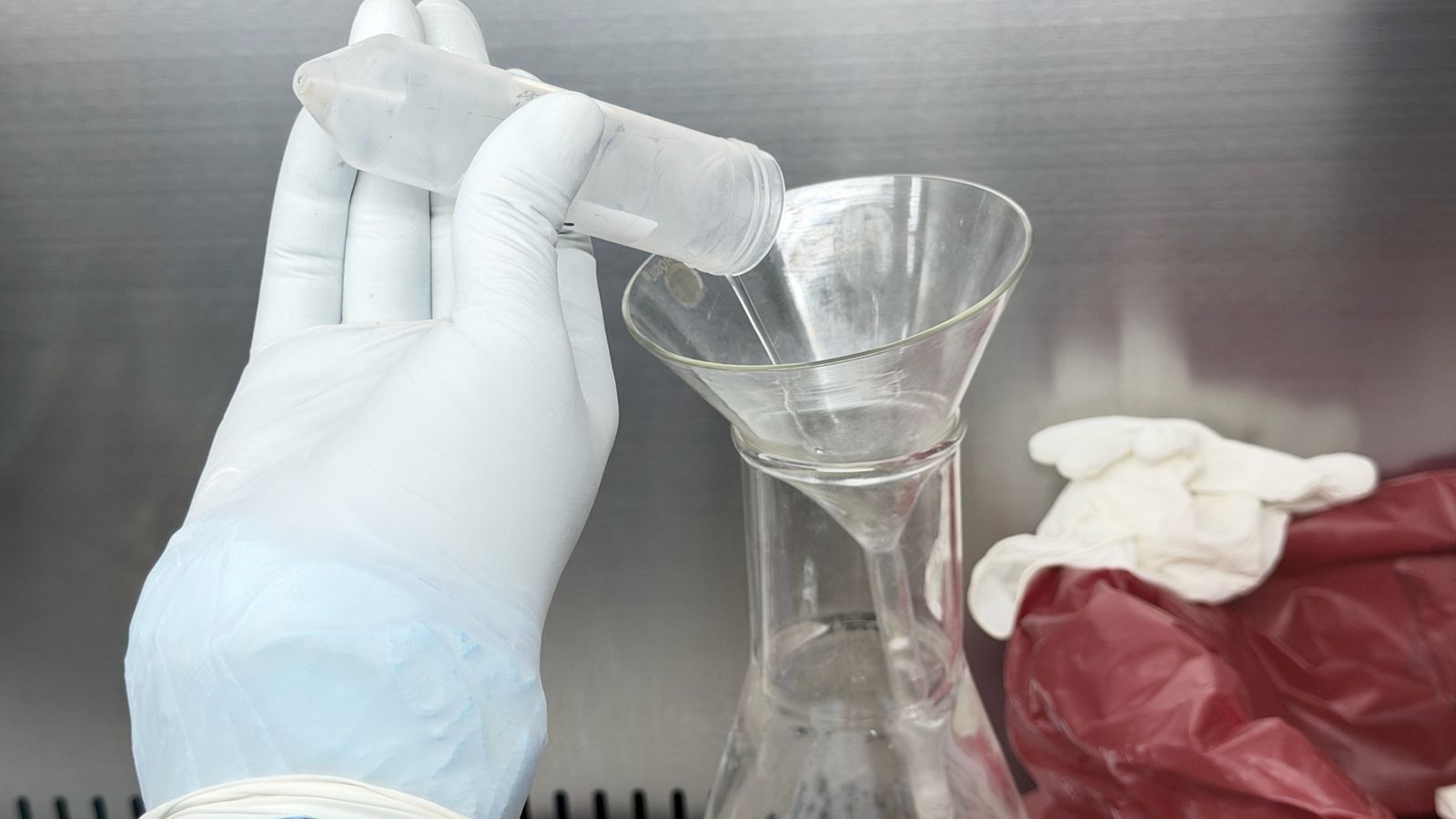
First-Line Drug Susceptibility Testing (SL-DST) for Tuberculosis: Introduction, Principle, Procedure, Result-Interpretation, and Keynotes

 Introduction First-Line Drug Susceptibility Testing (FL-DST or sometimes referred to in context as SL-DST when covering all first-line agents: Rifampicin, Isoniazid, Ethambutol, Pyrazinamide) is a crucial laboratory procedure used to determine if a patient’s Mycobacterium tuberculosis (Mtb) strain is sensitive or resistant to primary anti-TB …

Read more

Nontuberculous Mycobacteria (NTM): Introduction, Morphology, Pathogenicity, Lab Diagnosis, Treatment, Prevention, and Keynotes

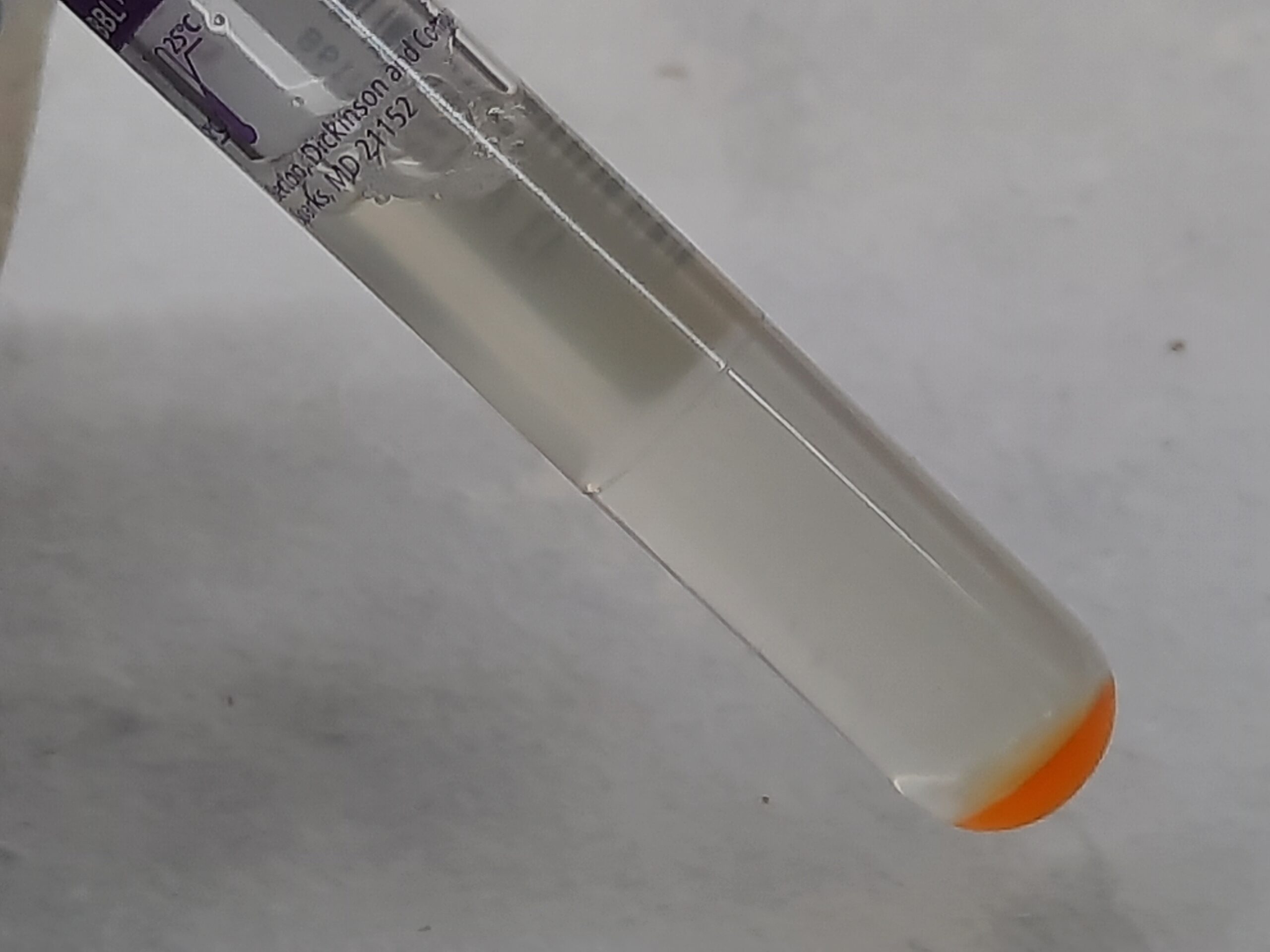
Turbid growth of Nontuberculous Mycobacteria (NTM), Mycobacterium fortuitum in a Mycobacteria Growth Indicator Tube (MGIT)

Introduction Nontuberculous Mycobacteria (NTM) are a large group of over 190 species of mycobacteria that are present in the environment (soil and water). They do not cause tuberculosis or leprosy, and they are opportunistic pathogens, largely infecting individuals with pre-existing lung conditions, weakened immunity, or …

Read more

Mycobacterium fortuitum : Introduction, Morphology, Pathogenicity, Lab Diagnosis, Treatment, Prevention, and Keynotes

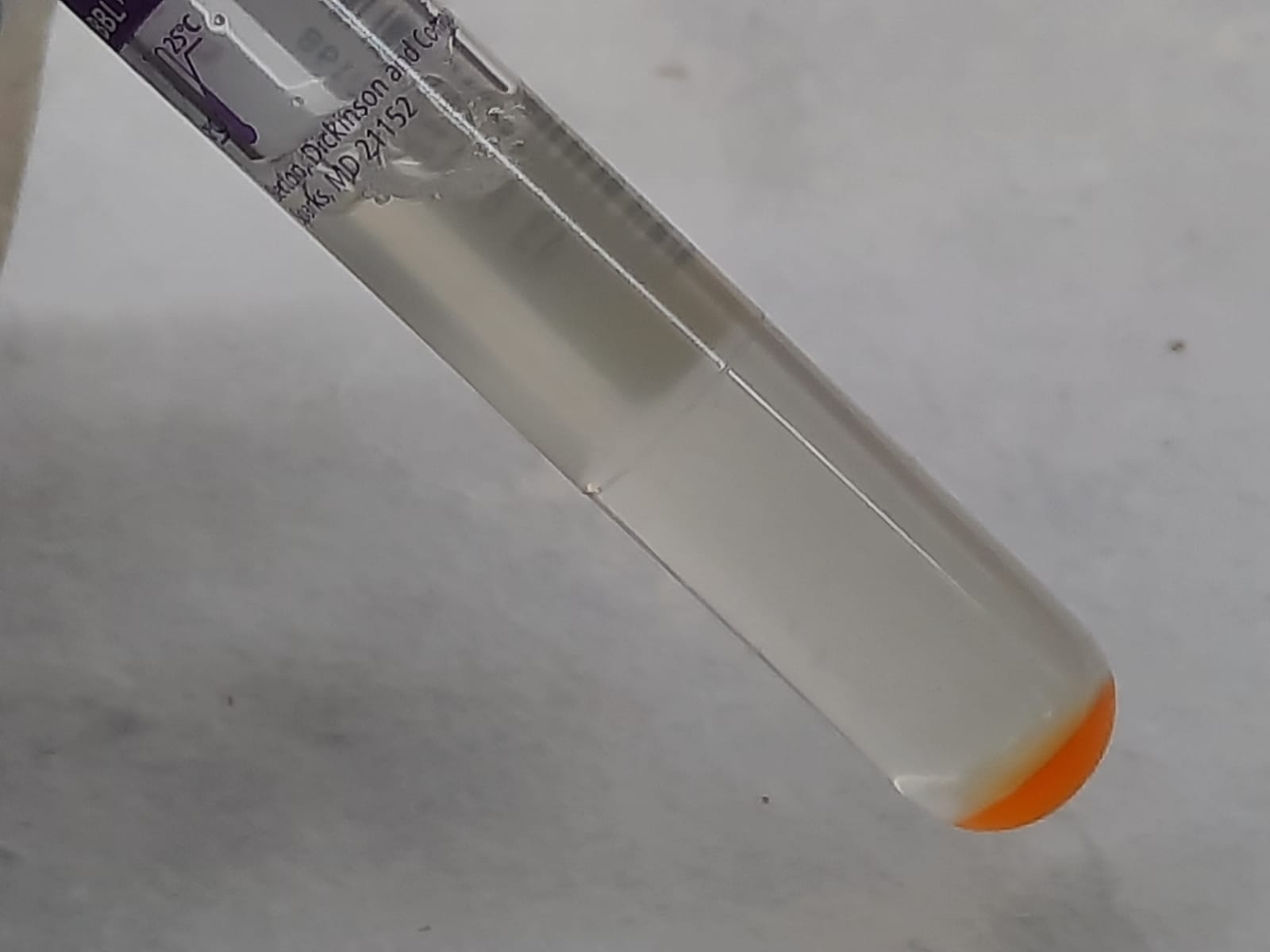
Mycobacterium fortuitum growth on modified Middlebrook 7H9 broth with PANTA supplement after 3 days of incubation

Introduction Mycobacterium fortuitum is a rapidly growing, nontuberculous mycobacterium (NTM). It is found ubiquitously in the environment, primarily associated with skin, soft tissue, and post-surgical wound infections. As an opportunistic pathogen that is known for its ability to grow within 7 days, it often causes infections …

Read more

Wade-Fite stain:Introduction, Principle, Test Requirements, Staining Procedure, Result Interpretation,and Keynotes

Wade-Fite stain:Introduction, Principle, Test Requirements, Staining Procedure, Result Interpretation,and Keynotes

Introduction The Ziehl-Neelsen stain, also known as the Wade-Fite stain, is a modified acid-fast staining technique specifically used to detect Mycobacterium leprae in tissue sections, particularly skin biopsies. It preserves the lipid-rich capsule of M. leprae, which is essential for its identification. It is a …

Read more

Grocott’s Methenamine Silver (GMS) Staining of Mycobacteria:Introduction, Principle, Clinical Significance, Advantage, Disadvantage, and Keynotes

Introduction Grocott’s Methenamine Silver (GMS) stain is a histochemical staining method primarily used to detect fungi in tissue sections. However, it can also stain certain acid-fast organisms like Mycobacteria, especially in tissue biopsies where standard Ziehl-Neelsen or fluorescent stains may miss them. The technique enhances …

Read more

Carbol-Nachtblau Staining of Mycobacteria-Introduction, Principle, Clinical Significance, Advantage, Disadvantage, and Keynotes

Introduction Carbol-Nachtblau (Midnight Blue) staining is a modified acid-fast staining technique used for the visualization of Mycobacteria, particularly Mycobacterium tuberculosis. This method replaces the traditional counterstain (like methylene blue) with Nachtblau, producing a vivid contrast between blue background cells and bright red acid-fast bacilli (AFB), …

Read more

Immunofluorescent Detection of Mycobacteria Using Polyclonal Anti-BCG Antibody Staining: Introduction, Principle, Clinical Significance, Advantage, Disadvantage, and Keynotes

Introduction Immunofluorescent staining with polyclonal anti-BCG antibodies is a rapid and specific technique used to detect Mycobacterium species, particularly in clinical and research settings. These antibodies recognize antigenic components of Mycobacterium bovis BCG strain and cross-react with members of the M. tuberculosis complex. The method …

Read more