First-Line Drug Susceptibility Testing (SL-DST) for Tuberculosis: Introduction, Principle, Procedure, Result-Interpretation, and Keynotes

 Introduction First-Line Drug Susceptibility Testing (FL-DST or sometimes referred to in context as SL-DST when covering all first-line agents: Rifampicin, Isoniazid, Ethambutol, Pyrazinamide) is a crucial laboratory procedure used to determine if a patient’s Mycobacterium tuberculosis (Mtb) strain is sensitive or resistant to primary anti-TB …
Read more

SIRE Supplement: Introduction, Composition and Function, Uses, and Keynotes

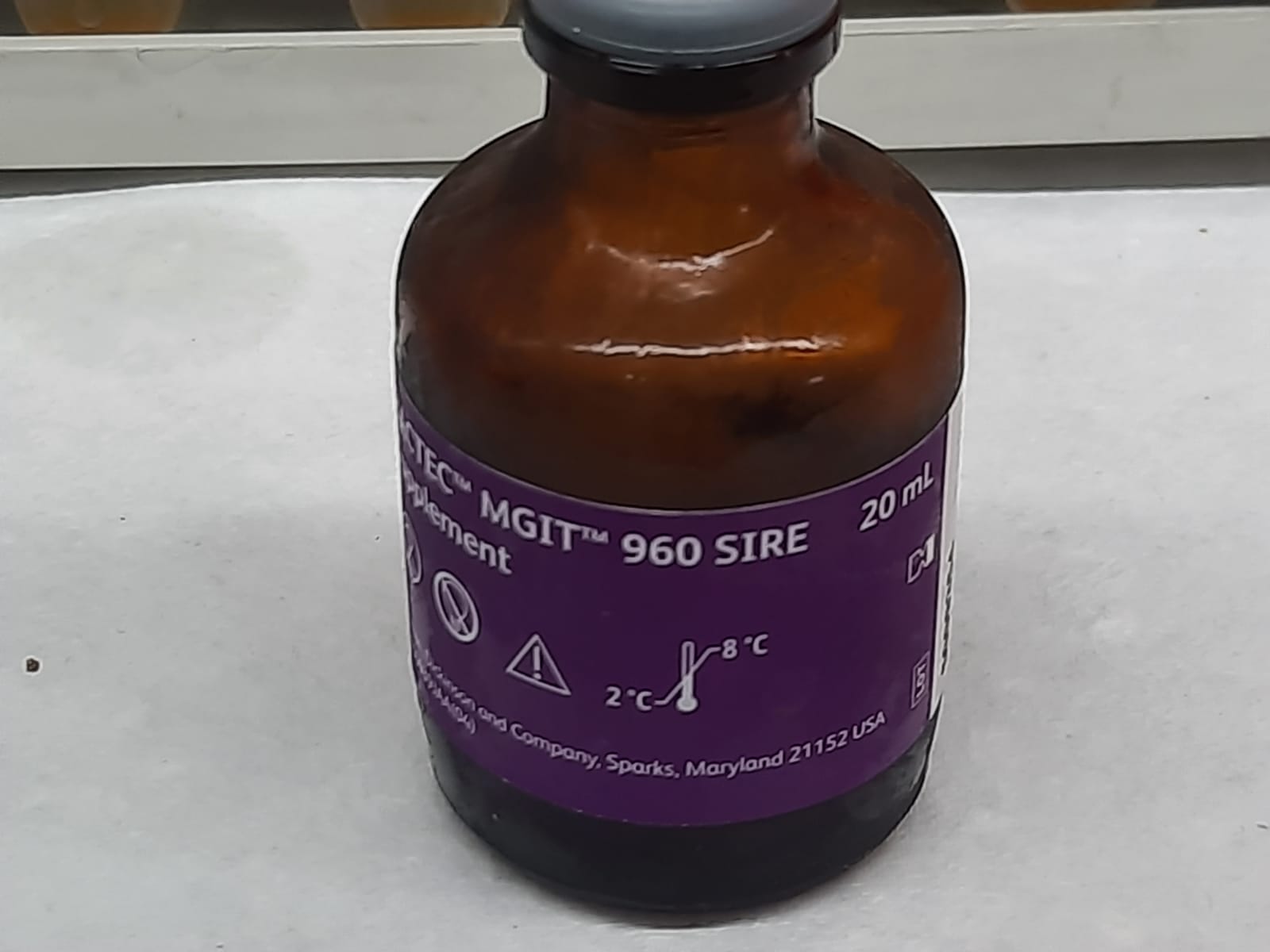
A 20 ml vial of BACTEC™ MGIT™ 960 SIRE supplement, designed for drug susceptibility testing of Mycobacterium tuberculosis

Introduction The BACTEC™ MGIT™ 960 SIRE Supplement is an essential enrichment used specifically for drug susceptibility testing (DST) of Mycobacterium tuberculosis in the BD BACTEC™ MGIT™ automated system.  The SIRE supplement is part of the MGIT™ 960 SIRE Kit. It is added to MGIT™ tubes along with specific first-line anti-TB drugs …

Read more

Nontuberculous Mycobacteria (NTM): Introduction, Morphology, Pathogenicity, Lab Diagnosis, Treatment, Prevention, and Keynotes

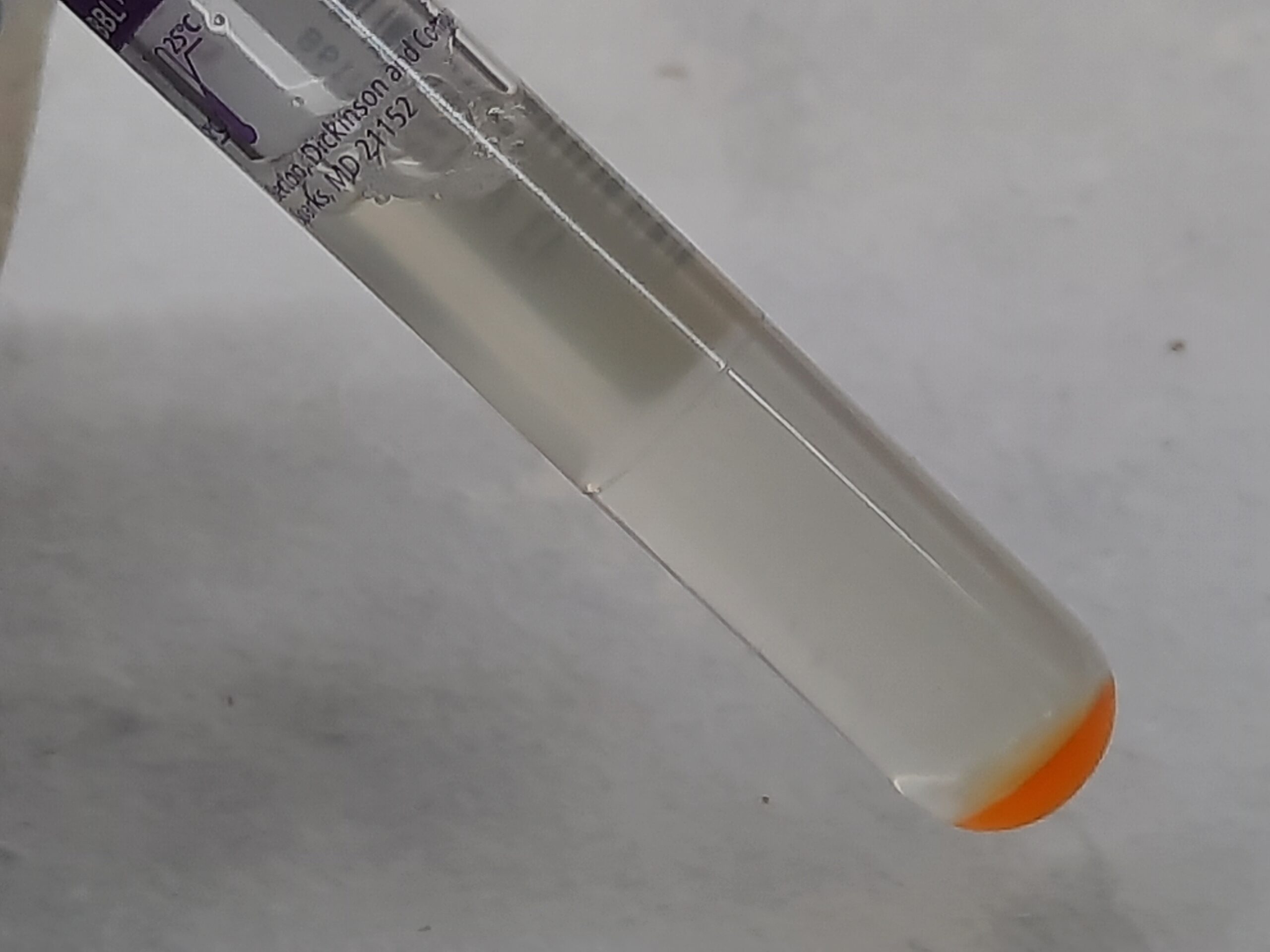
Turbid growth of Nontuberculous Mycobacteria (NTM), Mycobacterium fortuitum in a Mycobacteria Growth Indicator Tube (MGIT)

Introduction Nontuberculous Mycobacteria (NTM) are a large group of over 190 species of mycobacteria that are present in the environment (soil and water). They do not cause tuberculosis or leprosy, and they are opportunistic pathogens, largely infecting individuals with pre-existing lung conditions, weakened immunity, or …

Read more

Mycobacterium tuberculosis MCQs Quiz-A Simple Set of Questionnaire for Examination

Introduction Below is a set of 15 multiple‐choice questions (MCQs) on Mycobacterium tuberculosis that cover key aspects—from microbiology and diagnosis to treatment and prevention. Each question is followed by four options, with the correct answer indicated afterward. You can use these questions for self‐assessment, classroom …

Read more