First-Line Drug Susceptibility Testing (SL-DST) for Tuberculosis: Introduction, Principle, Procedure, Result-Interpretation, and Keynotes

 Introduction First-Line Drug Susceptibility Testing (FL-DST or sometimes referred to in context as SL-DST when covering all first-line agents: Rifampicin, Isoniazid, Ethambutol, Pyrazinamide) is a crucial laboratory procedure used to determine if a patient’s Mycobacterium tuberculosis (Mtb) strain is sensitive or resistant to primary anti-TB …
Read more

BACTEC MGIT 960: Introduction, Principle, Procedure, Result-Interpretation, Application, and Keynotes

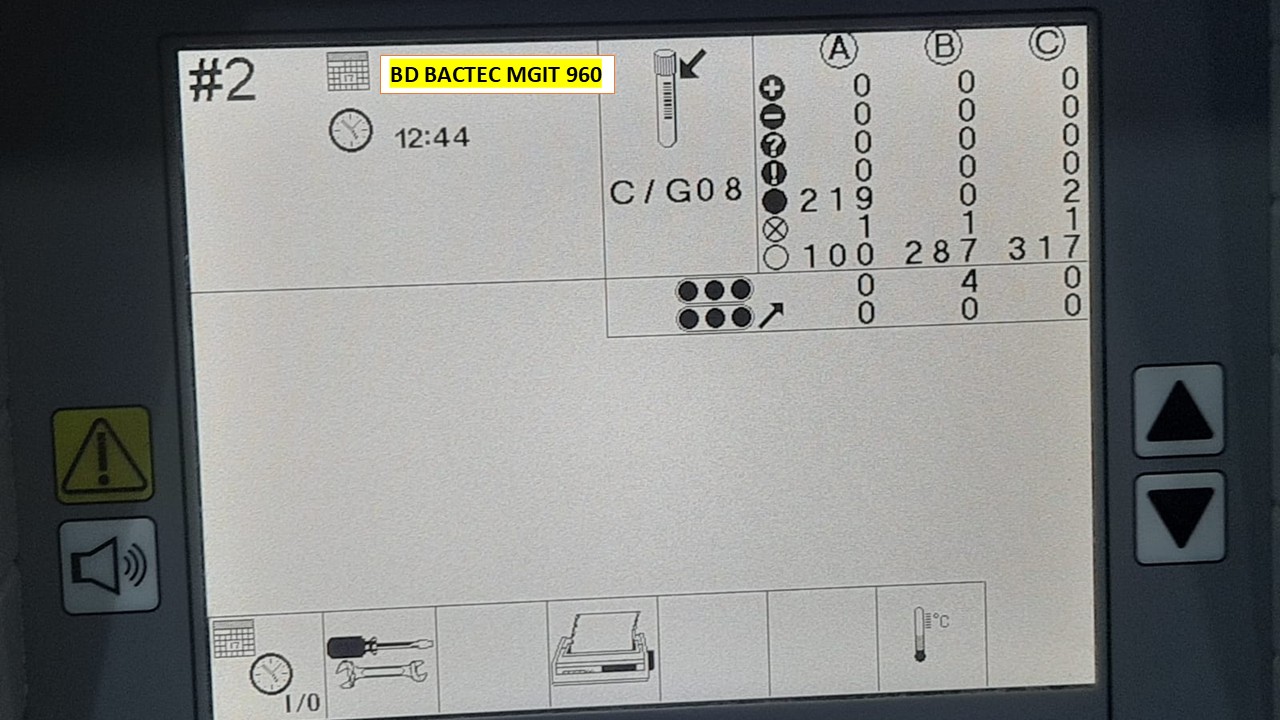
BD BACTEC MGIT 960 instrument display showing the real-time status and distribution of mycobacterial culture tubes

Introduction The system consists of an incubator-reader that can hold up to 960 culture tubes (7 ml size), allowing it to process approximately 8,000 specimens annually. It is widely considered a “gold standard” for culture-based drug susceptibility testing (DST) due to its speed and high recovery rate …

Read more

Glass Beads in TB Lab: Introduction, Function, Uses, and Keynotes

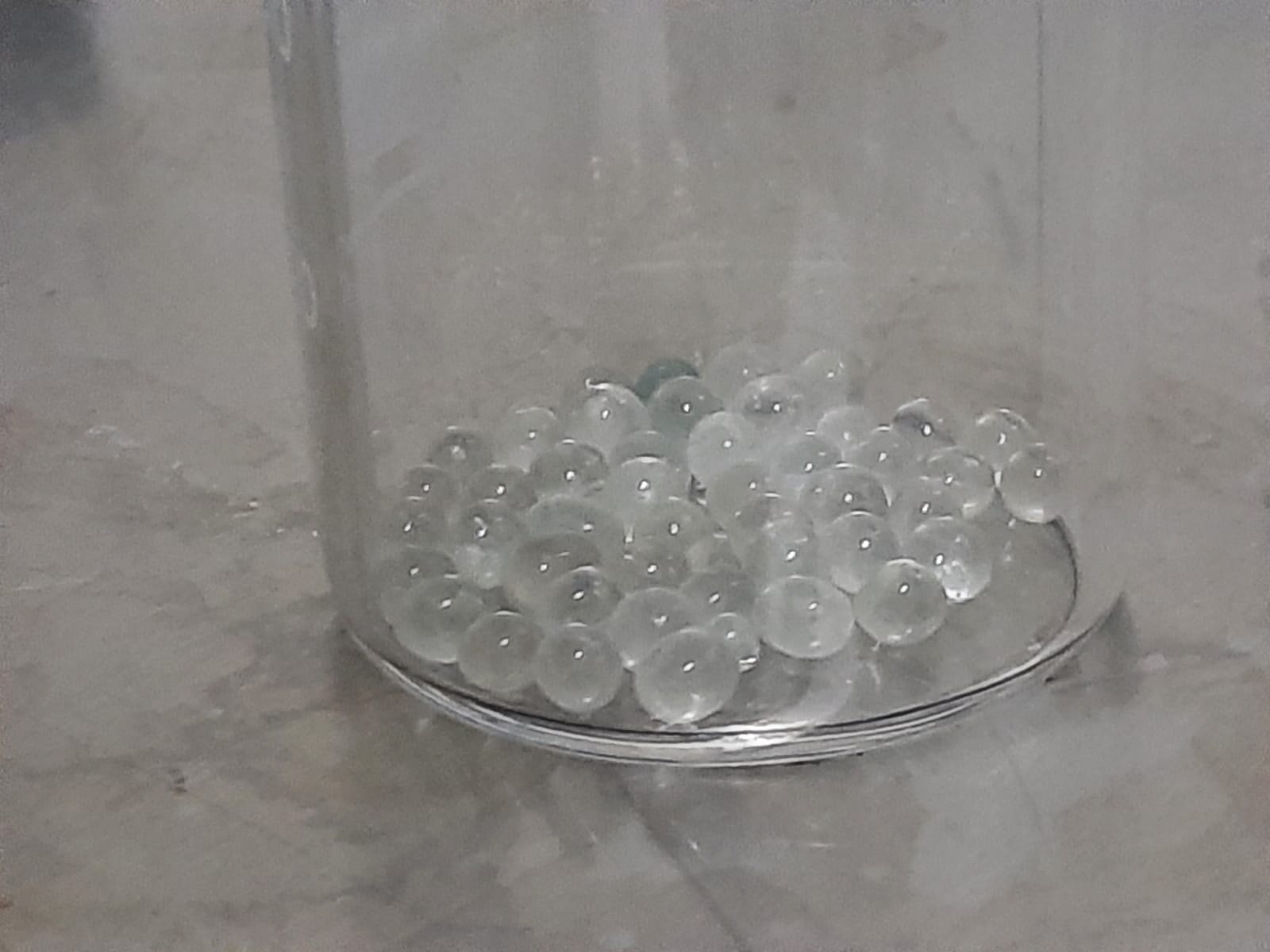
Sterile glass beads used for sample homogenization and bacterial culture preservation in a TB laboratory

Introduction to Glass Beads In a Tuberculosis (TB) laboratory, glass beads are essential tools primarily used to homogenize thick clinical samples and preserve live bacterial cultures. Their chemical inertness and durability make them ideal for handling the highly infectious and lipid-rich Mycobacterium tuberculosis (Mtb).  Glass beads are …

Read more

MB-Redox Medium-Introduction, Principle, Clinical Significance, Advantage, Disadvantage, and Keynotes

Introduction MB-Redox Medium (Mycobacteria-Redox Medium) is a liquid culture medium designed for the rapid growth and detection of Mycobacteria, particularly Mycobacterium tuberculosis. It incorporates redox indicators that change color based on microbial metabolic activity, providing a visual cue for bacterial growth. It is increasingly used …

Read more