First-Line Drug Susceptibility Testing (SL-DST) for Tuberculosis: Introduction, Principle, Procedure, Result-Interpretation, and Keynotes

 Introduction First-Line Drug Susceptibility Testing (FL-DST or sometimes referred to in context as SL-DST when covering all first-line agents: Rifampicin, Isoniazid, Ethambutol, Pyrazinamide) is a crucial laboratory procedure used to determine if a patient’s Mycobacterium tuberculosis (Mtb) strain is sensitive or resistant to primary anti-TB …
Read more

Second-Line Drug Susceptibility Testing (SL-DST) for Tuberculosis:Introduction, Principle, Procedure, Result-Interpretation, and Keynotes

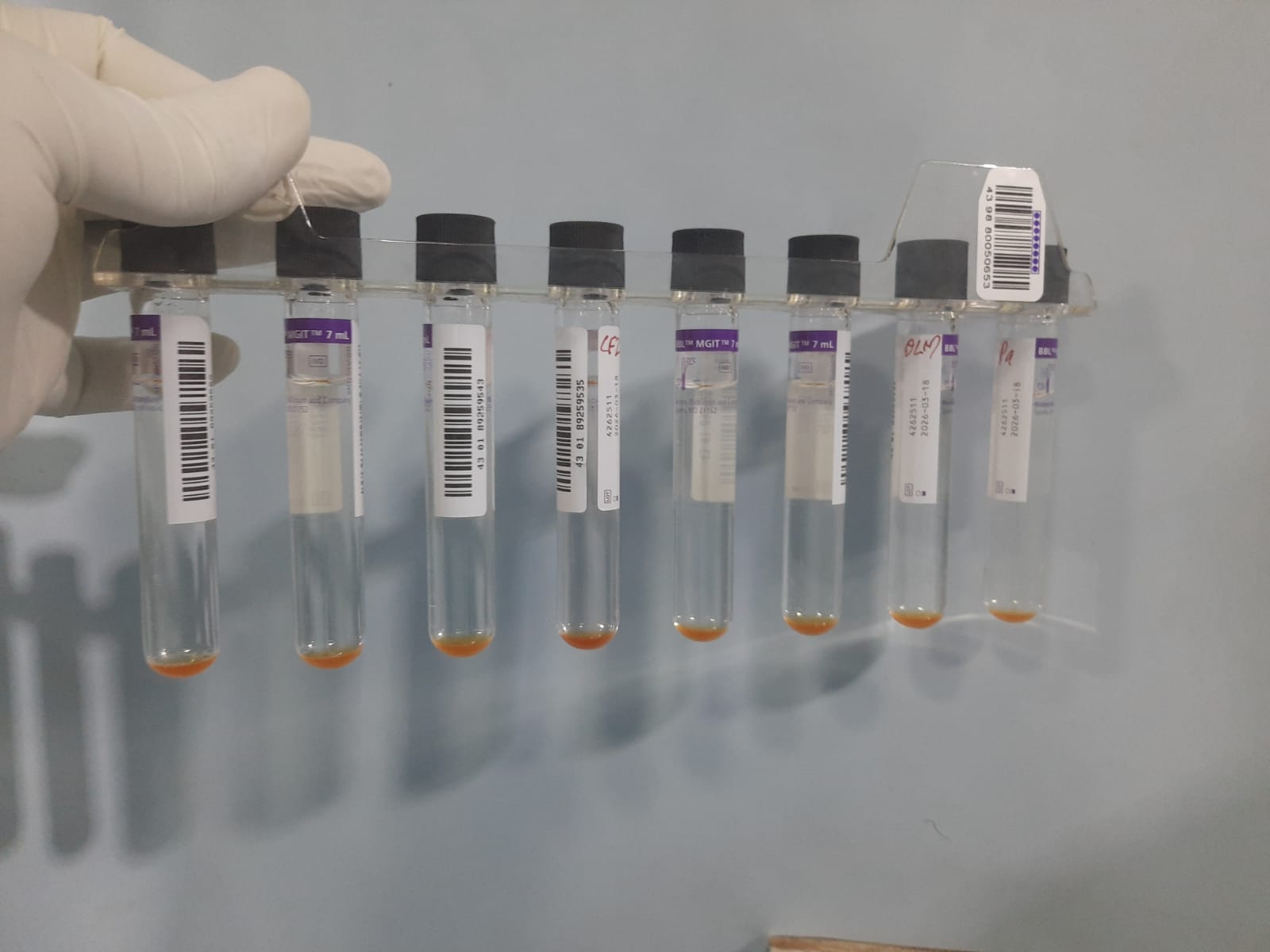
Phenotypic drug susceptibility testing (DST) of Mycobacterium tuberculosis using the BACTEC MGIT 960 system

Introduction Second-line drug susceptibility testing (SL-DST) for tuberculosis is a crucial laboratory procedure designed to detect resistance to anti-TB drugs used when first-line treatment fails (i.e., multidrug-resistant TB – MDR-TB).  Principle SL-DST measures the susceptibility of Mycobacterium tuberculosis to specific agents by determining the Critical …

Read more

Xpert MTB/RIF: Introduction, Principle, Procedure, Result-Interpretation, Uses, and Keynotes

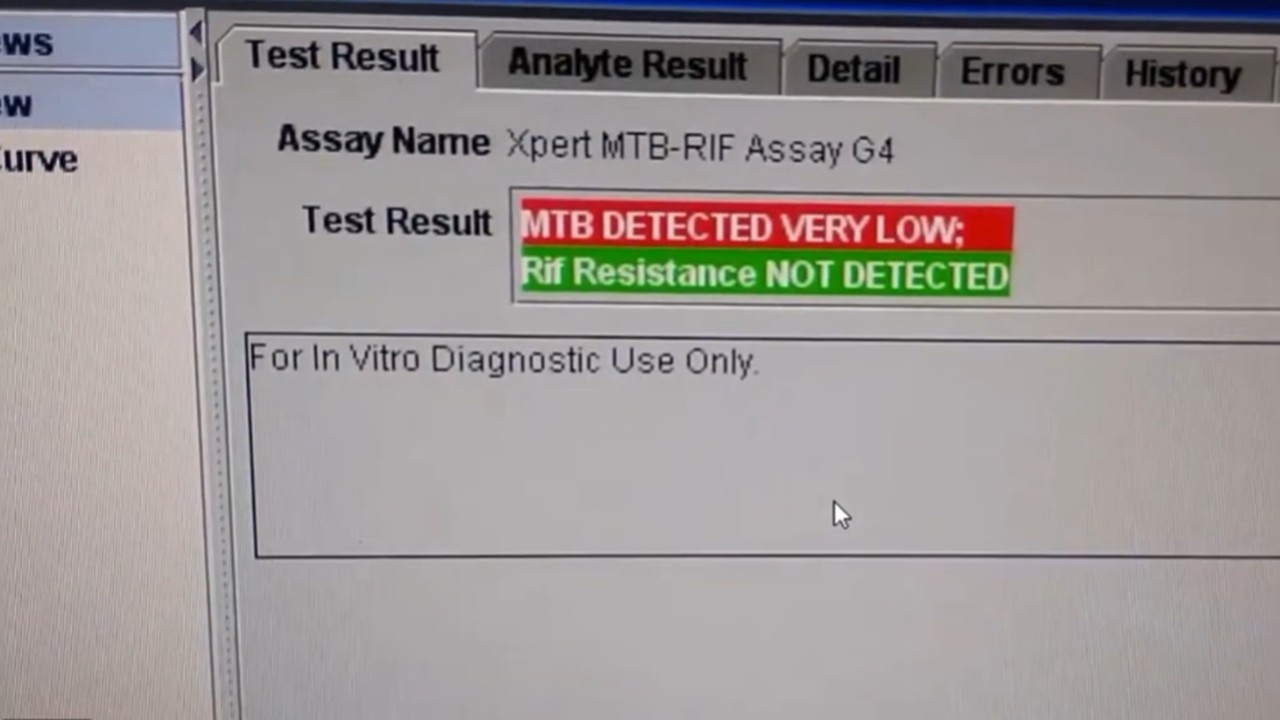
GeneXpert® Xpert® MTBRIF Test Result- MTB Detected (Very Low) and Rifampicin Resistance Not Detected

Introduction The Xpert MTB/RIF assay is an automated, cartridge-based molecular test used to detect Mycobacterium tuberculosis (MTB) and rifampicin (RIF) resistance, the most potent first-line anti-TB drug. Endorsed by the WHO in 2010, the Xpert MTB/RIF assay revolutionized TB diagnosis by providing results in less than two …

Read more

Xpert MTB/RIF Ultra: Introduction, Principle, Procedure, Result-Interpretation, Uses, and Keynotes

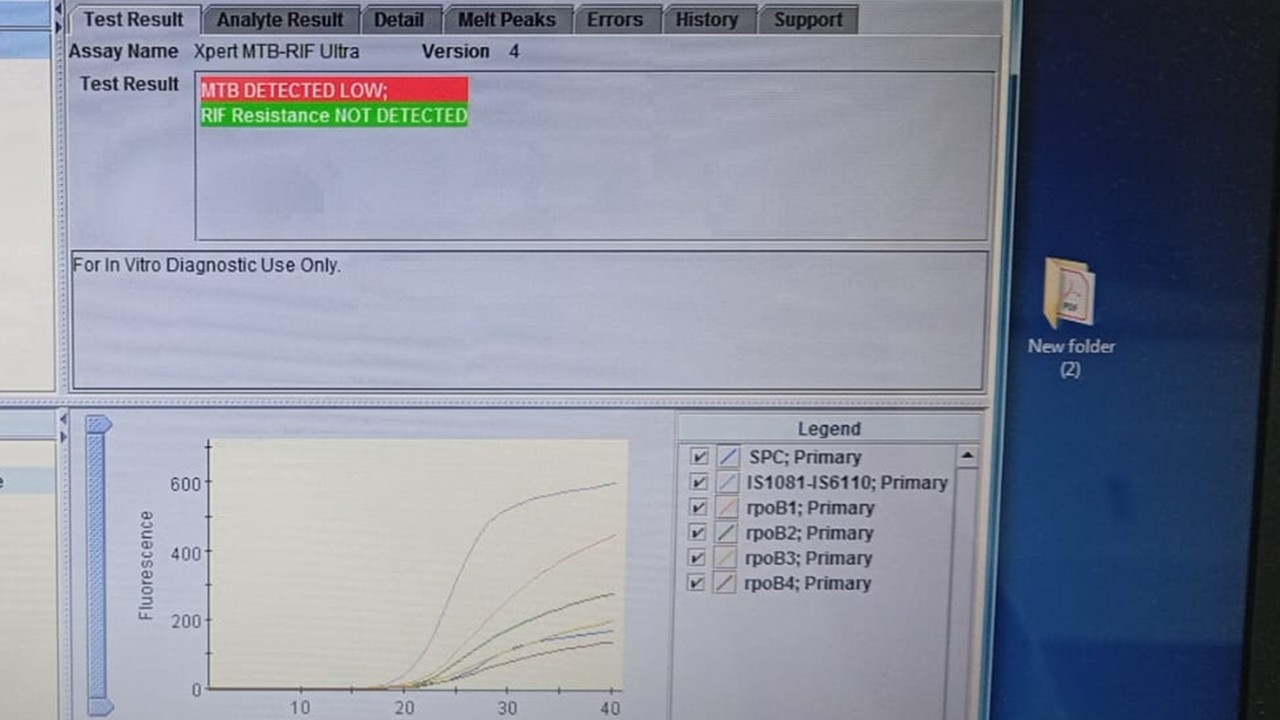
GeneXpert Dx System software interface displaying a completed diagnostic result for an Xpert MTB-RIF Ultra assay

Introduction Xpert MTB/RIF Ultra is an automated diagnostic test designed for the rapid and simultaneous detection of Mycobacterium tuberculosis (MTB) and resistance to rifampin (RIF). It is a second-generation assay developed by Cepheid to provide significantly higher sensitivity than the original Xpert MTB/RIF, particularly for …

Read more

Xpert MTB-XDR: Introduction, Principle, Procedure, Result-Interpretation, Uses, and Keynotes

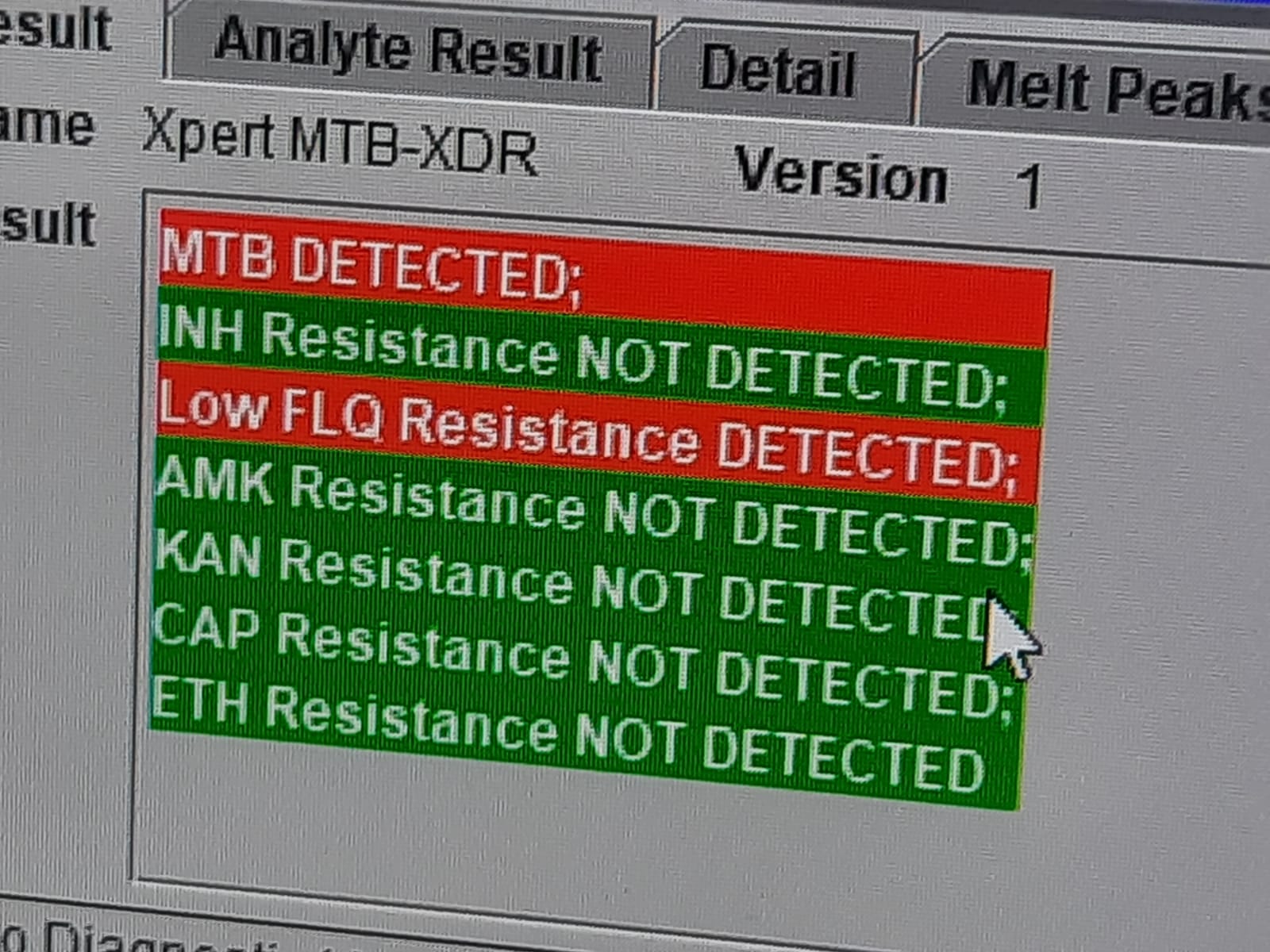
The image shows a GeneXpert software interface displaying an Xpert MTB/XDR test result with M. tuberculosis (MTB) detected and a specific drug resistance profile.Key Findings:MTB DETECTED: Positive for Mycobacterium tuberculosis complex.Low FLQ Resistance DETECTED: Indicates low-level resistance to fluoroquinolones (e.g., levofloxacin or moxifloxacin).Resistance NOT DETECTED: No mutations were found for isoniazid (INH), amikacin (AMK), kanamycin (KAN), capreomycin (CAP), or ethionamide (ETH).This result is consistent with a pre-XDR-TB diagnosis, as there is resistance to fluoroquinolones but susceptibility to second-line injectables.

Introduction The Xpert MTB/XDR assay is an advanced molecular diagnostic tool designed by Cepheid to rapidly detect Mycobacterium tuberculosis complex (MTBC) and its resistance to multiple first- and second-line drugs. Launched in 2021, it is categorized as a “low complexity” automated nucleic acid amplification test …

Read more

Mycobacterium tuberculosis complex (MTBC): Introduction, Morphology, Pathogenicity, Lab Diagnosis, Treatment, Prevention, and Keynotes

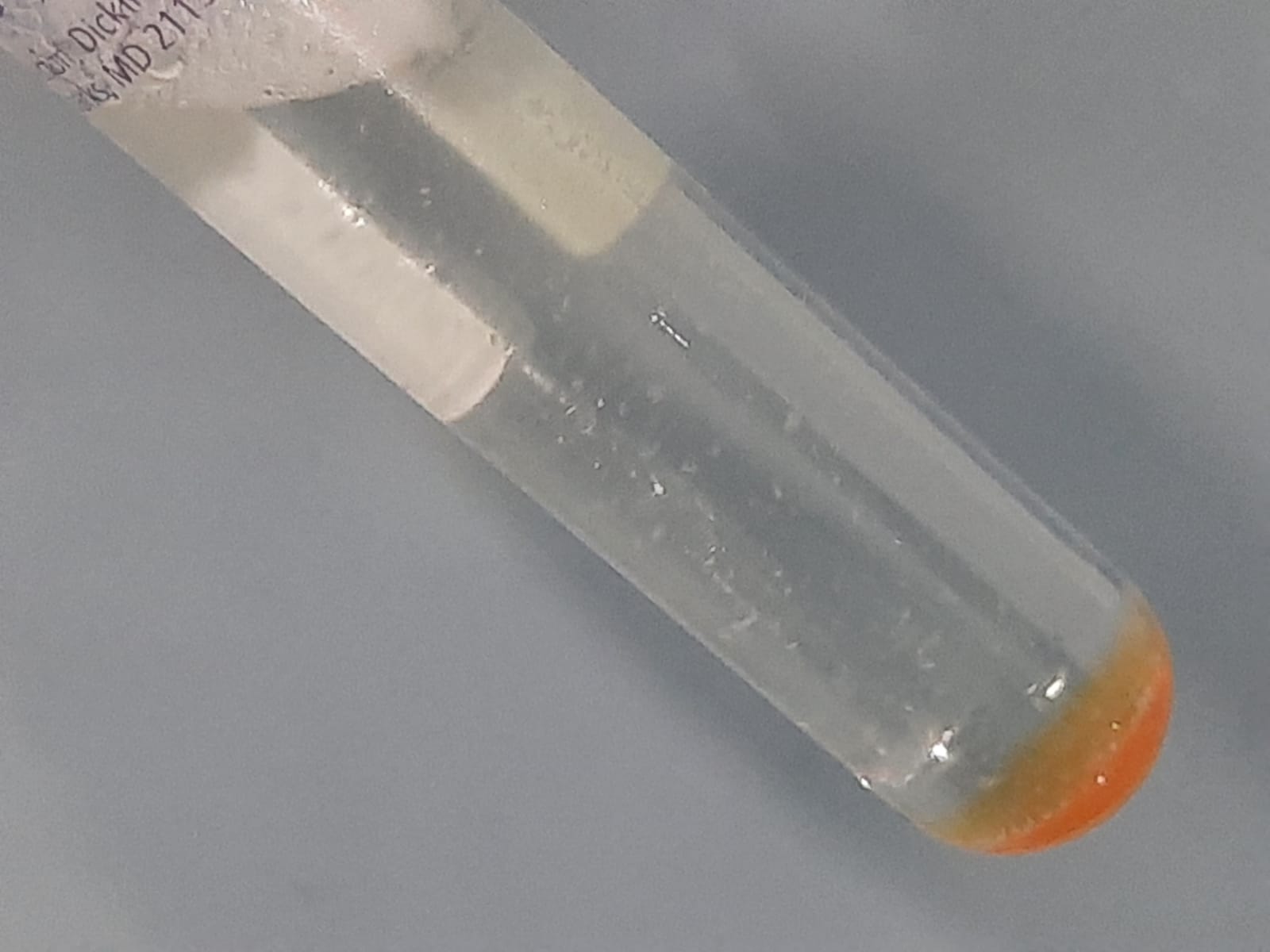
Mycobacterium tuberculosis complex grow on MGIT having modified Middlebrook 7H9 broth with PANTA supplement after 13 days of incubation

Introduction The Mycobacterium tuberculosis complex (MTBC) is a group of genetically related bacterial species that cause tuberculosis (TB) in humans and various animals. While Mycobacterium tuberculosis (sensu stricto) is the primary cause of human tuberculosis, the complex includes several other species with distinct host preferences and geographic distributions.  Morphology …

Read more

Line Probe Assay (LPA) for Tuberculosis -Introduction, Principle, Test Requirements, Procedure, Result-Interpretation, and Keynotes

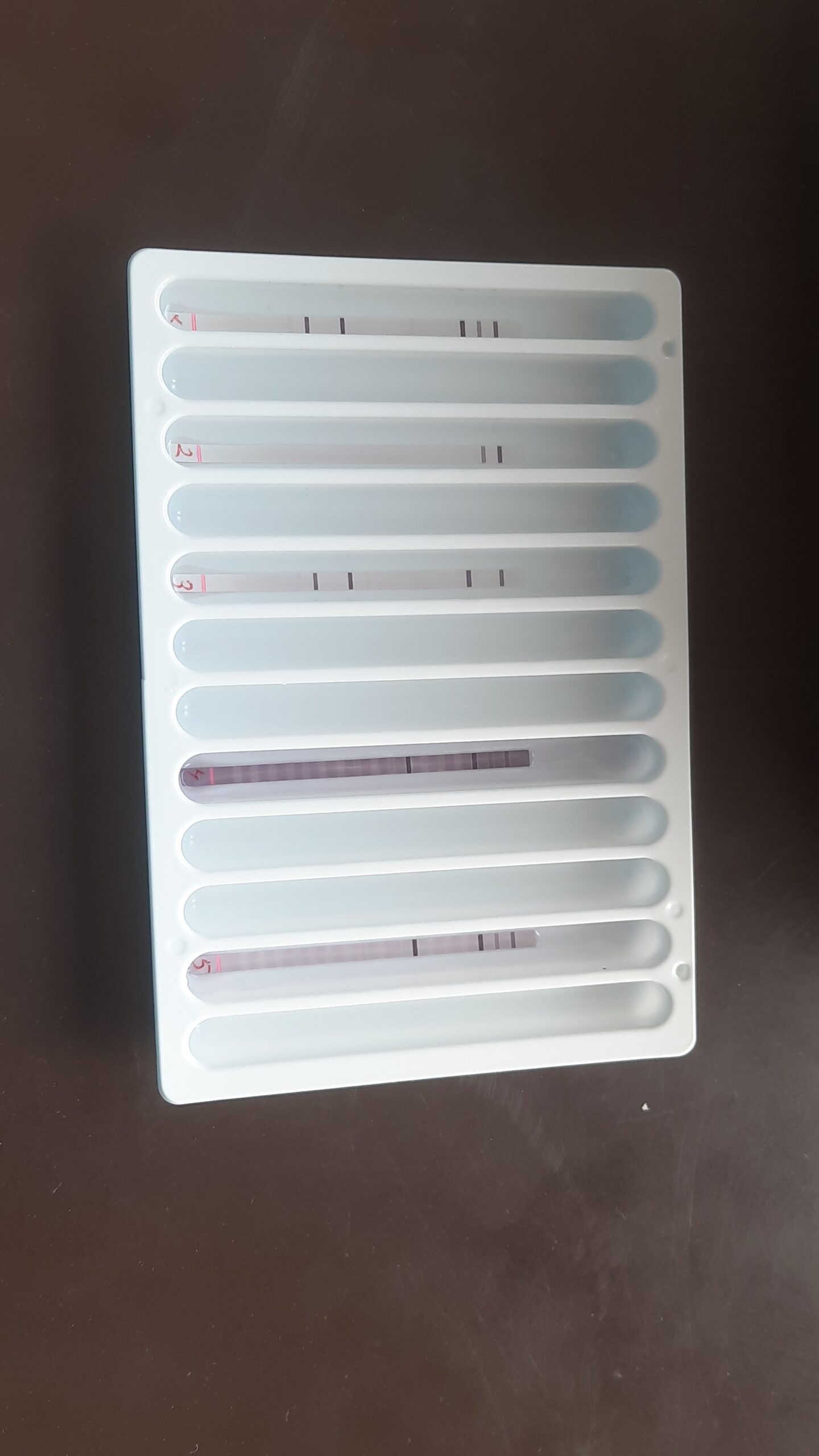
Line Probe Assay (LPA) for Tuberculosis -Introduction, Principle, Test Requirements, Procedure, Result-Interpretation, and Keyno

Introduction The Line Probe Assay (LPA) is a rapid molecular diagnostic test used to detect Mycobacterium tuberculosis complex (MTBC) and its resistance to anti-tuberculosis drugs. It identifies specific mutations in the genes associated with drug resistance by hybridizing amplified DNA onto membrane strips.  The LPA is a …

Read more

Rifampicin Resistant Indeterminate- Introduction, Result, Cause, Implication, and Summary

Rifampicin Resistant Indeterminate result of Mycobacterium tuberculosis

Introduction “Rifampicin resistant indeterminate” refers to an unclear or inconclusive result in testing for resistance to the antibiotic rifampicin, often used in the treatment of tuberculosis (TB). Here’s a breakdown of the term: Rifampicin Resistant Result and Cause Indeterminate Result: This means the test did …

Read more