NALC -NAOH Preparation for Tuberculosis Lab: Introduction, Procedure, Application, and Keynotes
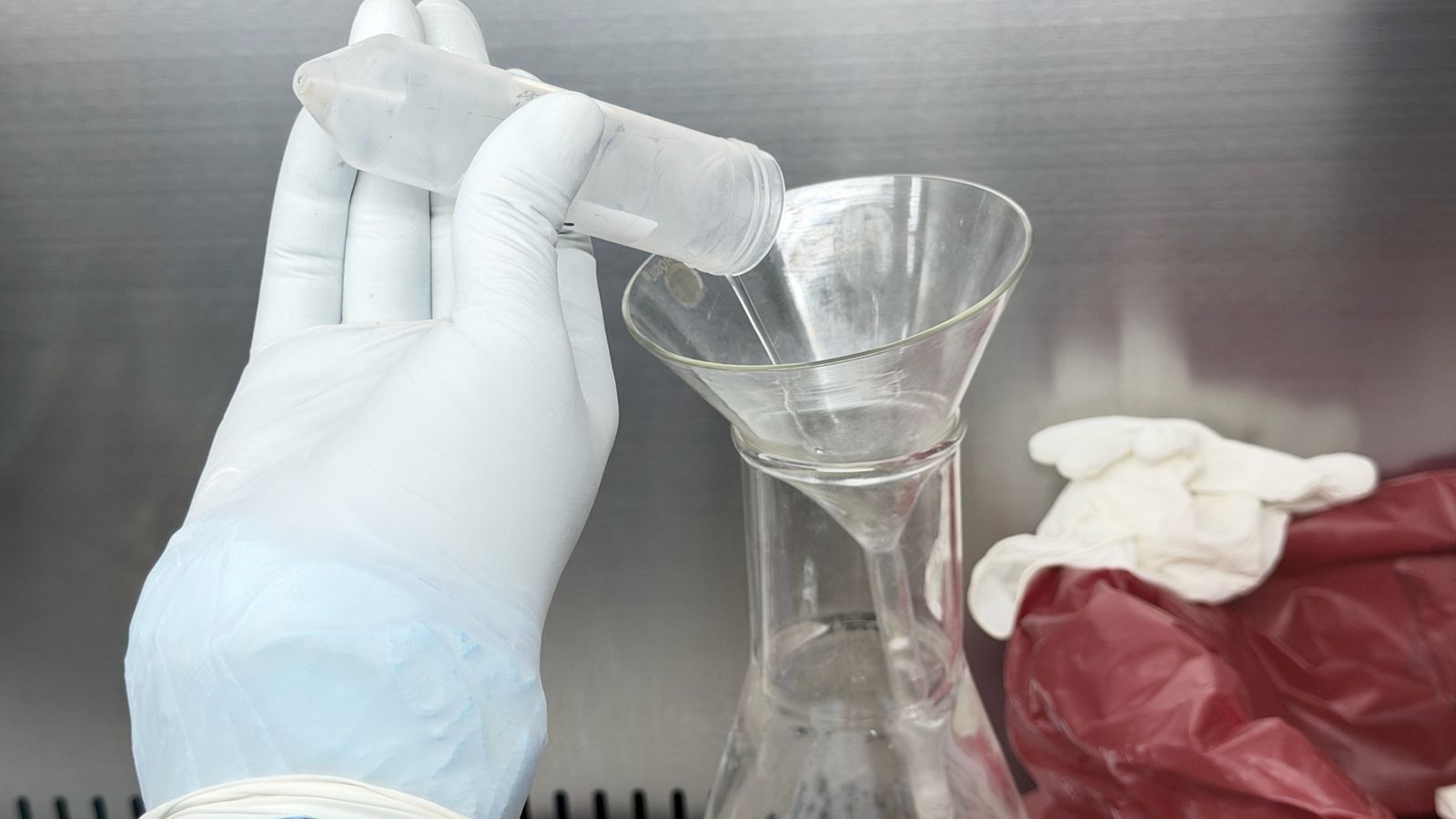
NALC -NAOH Preparation for Tuberculosis Lab- Introduction, Procedure, Application, and Keynotes

Introduction The NALC-NaOH (N-acetyl-L-cysteine–sodium hydroxide) method is the gold standard for processing clinical specimens in mycobacteriology laboratories. It prepares contaminated samples (like sputum) for successful culture on liquid media (such as the BD BACTEC™ MGIT™ 960) and solid media. Clinical samples from non-sterile sites naturally …

Read more

First-Line Drug Susceptibility Testing (SL-DST) for Tuberculosis: Introduction, Principle, Procedure, Result-Interpretation, and Keynotes

 Introduction First-Line Drug Susceptibility Testing (FL-DST or sometimes referred to in context as SL-DST when covering all first-line agents: Rifampicin, Isoniazid, Ethambutol, Pyrazinamide) is a crucial laboratory procedure used to determine if a patient’s Mycobacterium tuberculosis (Mtb) strain is sensitive or resistant to primary anti-TB …

Read more

Biphasic Medium in Microbiology: Introduction, Application, Merit, Demerits, and Keynotes

Biphasic Medium having bacterial growth

Introduction A biphasic medium is a culture system that combines both liquid (broth) and solid (agar) phases in the same container (usually a bottle or tube). It is designed to enhance microbial recovery by leveraging the advantages of both media types in one setup. Applications …

Read more