First-Line Drug Susceptibility Testing (SL-DST) for Tuberculosis: Introduction, Principle, Procedure, Result-Interpretation, and Keynotes

 Introduction First-Line Drug Susceptibility Testing (FL-DST or sometimes referred to in context as SL-DST when covering all first-line agents: Rifampicin, Isoniazid, Ethambutol, Pyrazinamide) is a crucial laboratory procedure used to determine if a patient’s Mycobacterium tuberculosis (Mtb) strain is sensitive or resistant to primary anti-TB …

Read more

Second-Line Drug Susceptibility Testing (SL-DST) for Tuberculosis:Introduction, Principle, Procedure, Result-Interpretation, and Keynotes

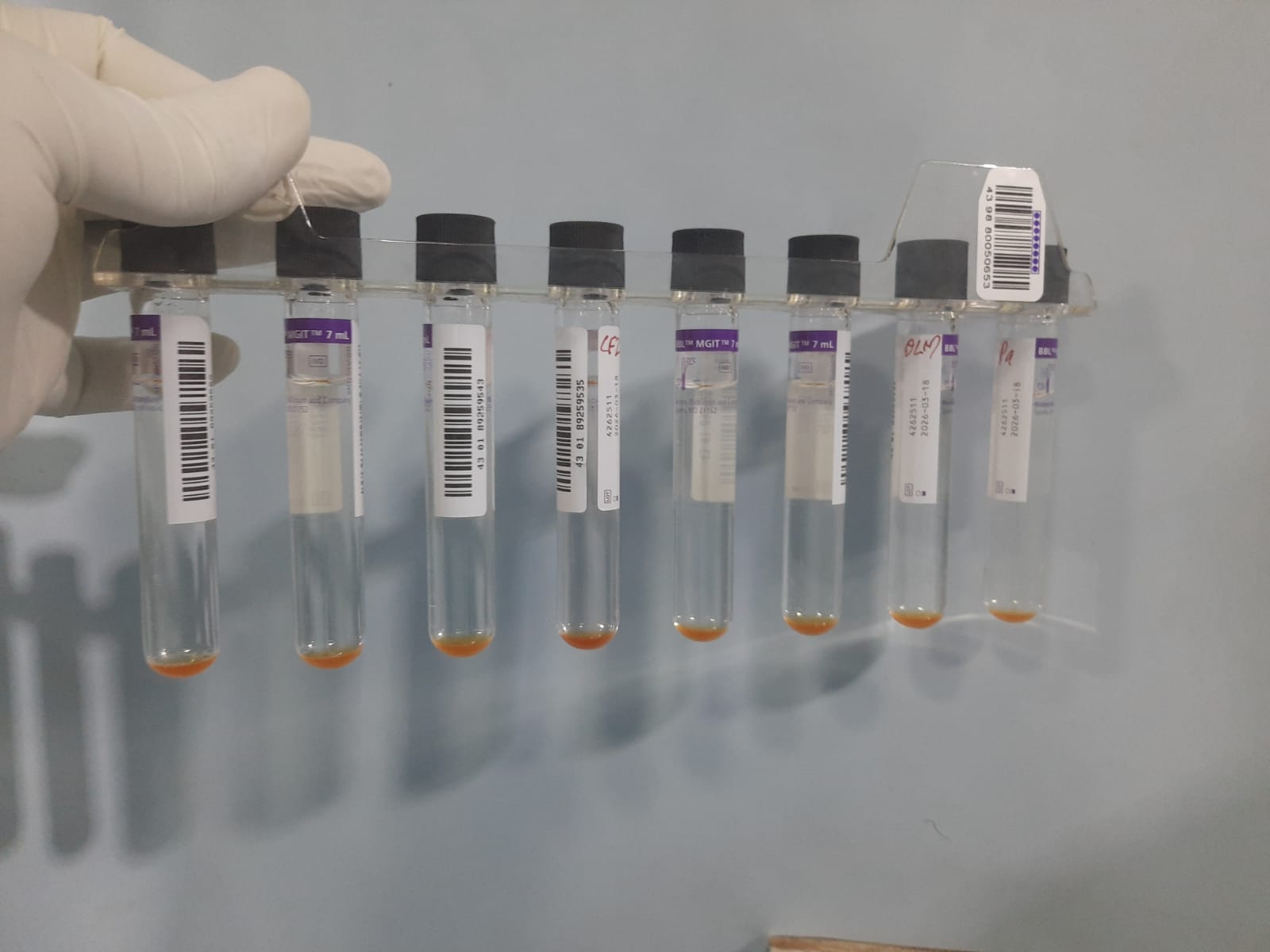
Phenotypic drug susceptibility testing (DST) of Mycobacterium tuberculosis using the BACTEC MGIT 960 system

Introduction Second-line drug susceptibility testing (SL-DST) for tuberculosis is a crucial laboratory procedure designed to detect resistance to anti-TB drugs used when first-line treatment fails (i.e., multidrug-resistant TB – MDR-TB).  Principle SL-DST measures the susceptibility of Mycobacterium tuberculosis to specific agents by determining the Critical …

Read more

Middlebrook 7H9 Broth: Introduction, Composition, Principle, Procedure, Result-Interpretation, Uses, and Keynotes

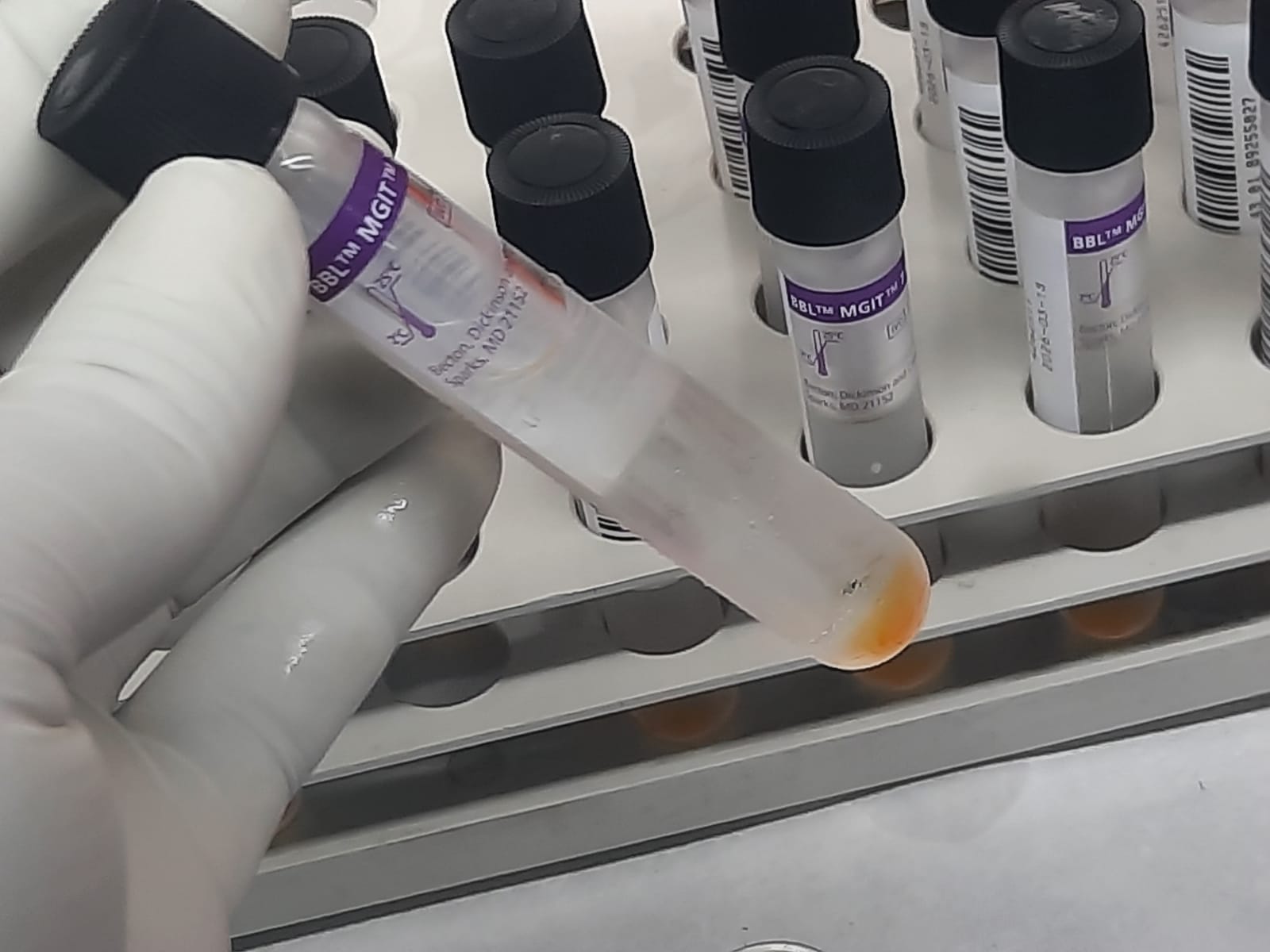
The BBL MGIT tube, showing Modified Middlebrook 7H9 Broth paired with an oxygen-sensitive fluorescent sensor for rapid diagnostic results

Introduction Middlebrook 7H9 broth is a liquid growth medium first described in 1958 by Middlebrook and Cohn for the specialized cultivation of Mycobacterium species. It is widely used in clinical and research settings for rapid growth, biochemical testing, and preparing inocula for drug susceptibility testing …

Read more