SIRE Supplement: Introduction, Composition and Function, Uses, and Keynotes
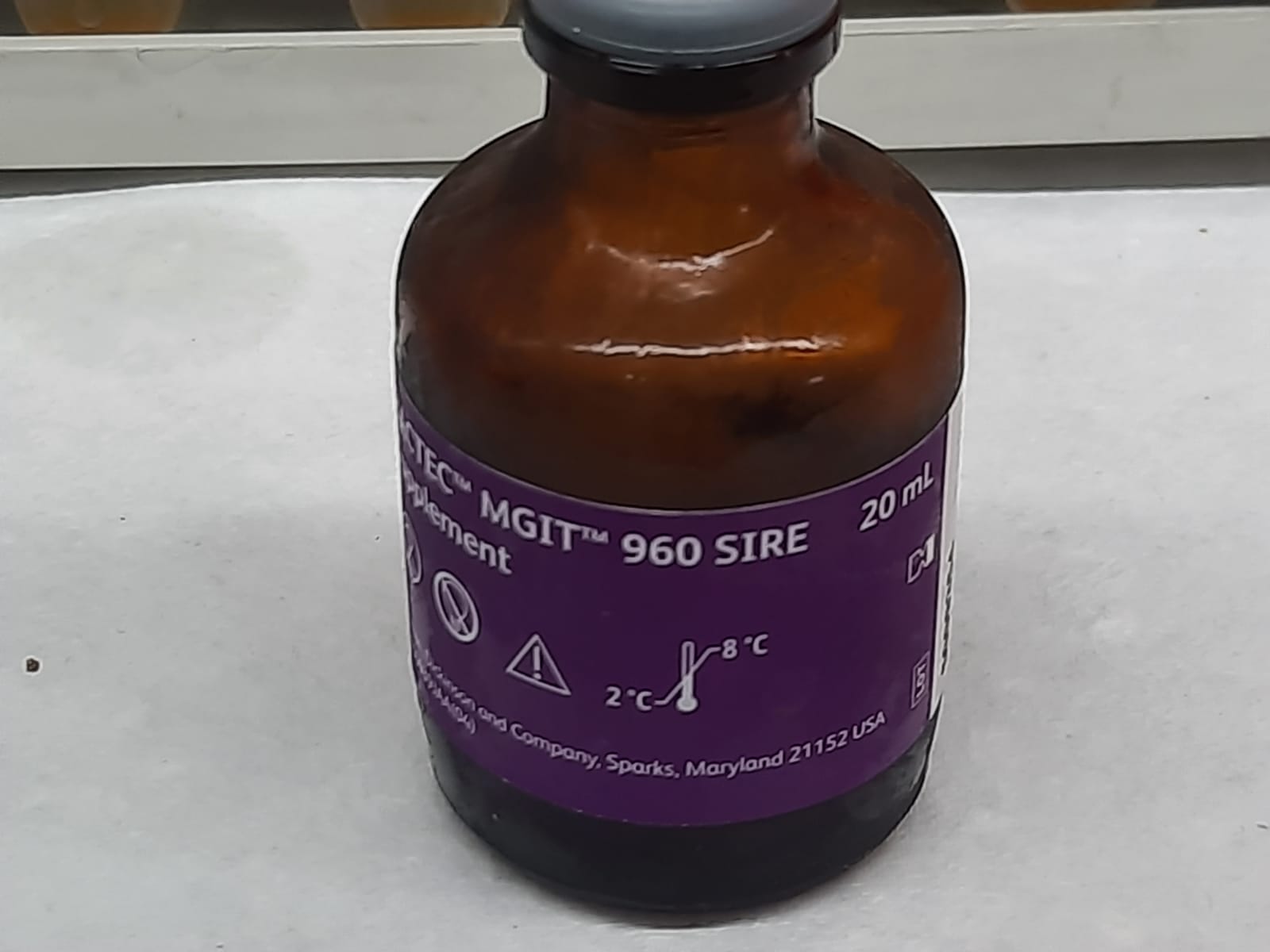
A 20 ml vial of BACTEC™ MGIT™ 960 SIRE supplement, designed for drug susceptibility testing of Mycobacterium tuberculosis

Introduction The BACTEC™ MGIT™ 960 SIRE Supplement is an essential enrichment used specifically for drug susceptibility testing (DST) of Mycobacterium tuberculosis in the BD BACTEC™ MGIT™ automated system.  The SIRE supplement is part of the MGIT™ 960 SIRE Kit. It is added to MGIT™ tubes along with specific first-line anti-TB drugs …

Read more

Yeast Identification by Auxacolor System-Introduction, Principle, Clinical Significance, and Keynotes

Introduction The Auxacolor System is a commercially available biochemical-based yeast identification method widely used in clinical microbiology laboratories. It provides a simple, standardized approach to identifying medically important yeasts, including Candida, Cryptococcus, Trichosporon, and others. Unlike molecular tools or MALDI-TOF MS, Auxacolor is inexpensive, does …

Read more

Yeasts (Disk Diffusion) Assay: Introduction, Test Requirements, Procedure, Result-Interpretation, and Keynotes

Yeasts (Disk Diffusion) Assay

Introduction Disk diffusion assay is a standardized method used for testing antifungal susceptibility of yeasts, especially Candida spp. It evaluates the inhibitory effect of antifungal agents on yeast growth by measuring the zone of inhibition around drug-impregnated disks placed on inoculated agar. This method is …

Read more

Comparative Microscopy of Candida Species: Introduction, Table, and Keynotes

Chlamydospores of Candida albicans found in direct clinical sample(sputum) KOH mount Microscopy (Mag.1600X)

Introduction The genus Candida comprises a diverse group of opportunistic yeasts frequently isolated from human clinical specimens. Among them, Candida albicans remains the most common cause of infections; however, non-albicans Candida species, such as C. tropicalis, C. glabrata, and C. krusei, are increasingly recognized as important pathogens in immunocompromised patients, …

Read more