VITEK 2 Yeast AST System: Introduction, Name of Card, Principle, Procedure, Result-Interpretation, and Keynotes
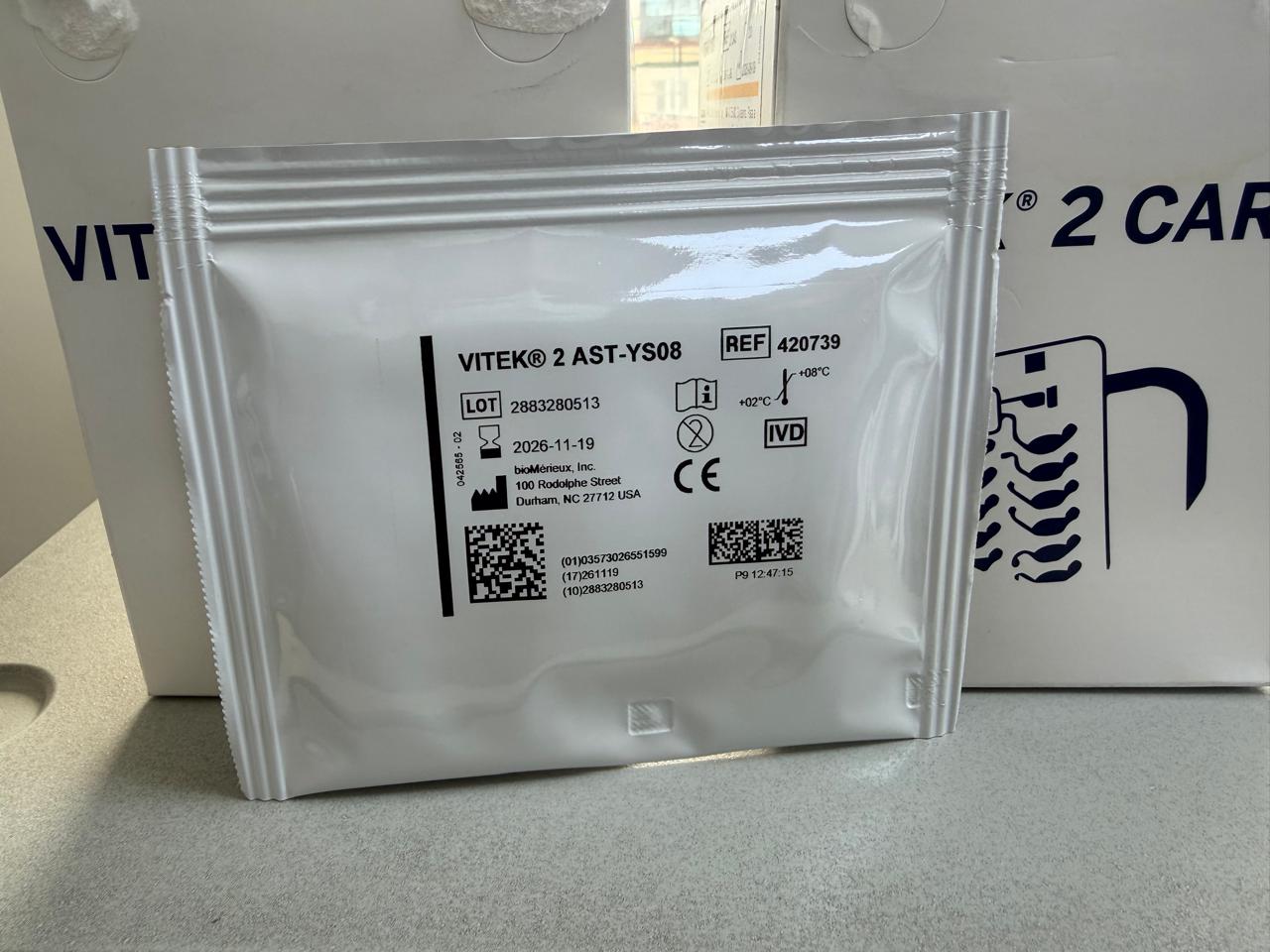
VITEK 2 AST-YS08-Yeast Indentification Card

Introducton The VITEK 2 Yeast AST system is a fully automated solution for the quantitative determination of antifungal susceptibility in clinically significant yeasts, such as Candida species. It provides rapid and accurate results, often in as little as 13 to 24 hours. Name of Card …

Read more

Yeasts-Colorimetric Antifungal Susceptibility Testing: Introduction, Principle, Clinical Significance, and Keynotes

Yeasts-Colorimetric Antifungal Susceptibility Testing-Introduction, Principle, Clinical Significance, and Keynotes

Introduction Yeasts, especially Candida and Cryptococcus species, are frequent causes of opportunistic infections in immunocompromised patients. Determining their antifungal susceptibility is crucial for guiding effective therapy. While broth microdilution methods (CLSI/EUCAST) serve as reference standards, they are labor-intensive and time-consuming. Colorimetric antifungal susceptibility testing systems …

Read more

Fungal Culture of Clinical Samples: Introduction, Principle, Clinical Significance, and Keynotes

Body fluid and sputum for culture

Introduction Fungal culture is the gold standard method for the detection and identification of pathogenic fungi in clinical microbiology. It is essential for diagnosing superficial, subcutaneous, and systemic mycoses. Clinical specimens such as blood, sputum, bronchoalveolar lavage (BAL), urine, cerebrospinal fluid (CSF), skin scrapings, nail …

Read more

Yeasts-Broth Microdilution Testing (EUCAST): Introduction, Principle, Clinical Significance, and Keynotes

Yeasts-Broth Microdilution Testing (EUCAST) Introduction, Principle, Clinical Significance, and Keynotes

Introduction Fungal infections caused by yeasts, particularly Candida and Cryptococcus species, represent a significant clinical challenge in immunocompromised and critically ill patients. Antifungal susceptibility testing (AFST) is crucial for guiding therapy, particularly in cases of treatment failure or the emergence of resistance. The broth microdilution …

Read more

Yeasts (Disk Diffusion) Assay: Introduction, Test Requirements, Procedure, Result-Interpretation, and Keynotes

Yeasts (Disk Diffusion) Assay

Introduction Disk diffusion assay is a standardized method used for testing antifungal susceptibility of yeasts, especially Candida spp. It evaluates the inhibitory effect of antifungal agents on yeast growth by measuring the zone of inhibition around drug-impregnated disks placed on inoculated agar. This method is …

Read more

Microbiology Reporting Methods: Introduction, List of Templates, and Keynotes

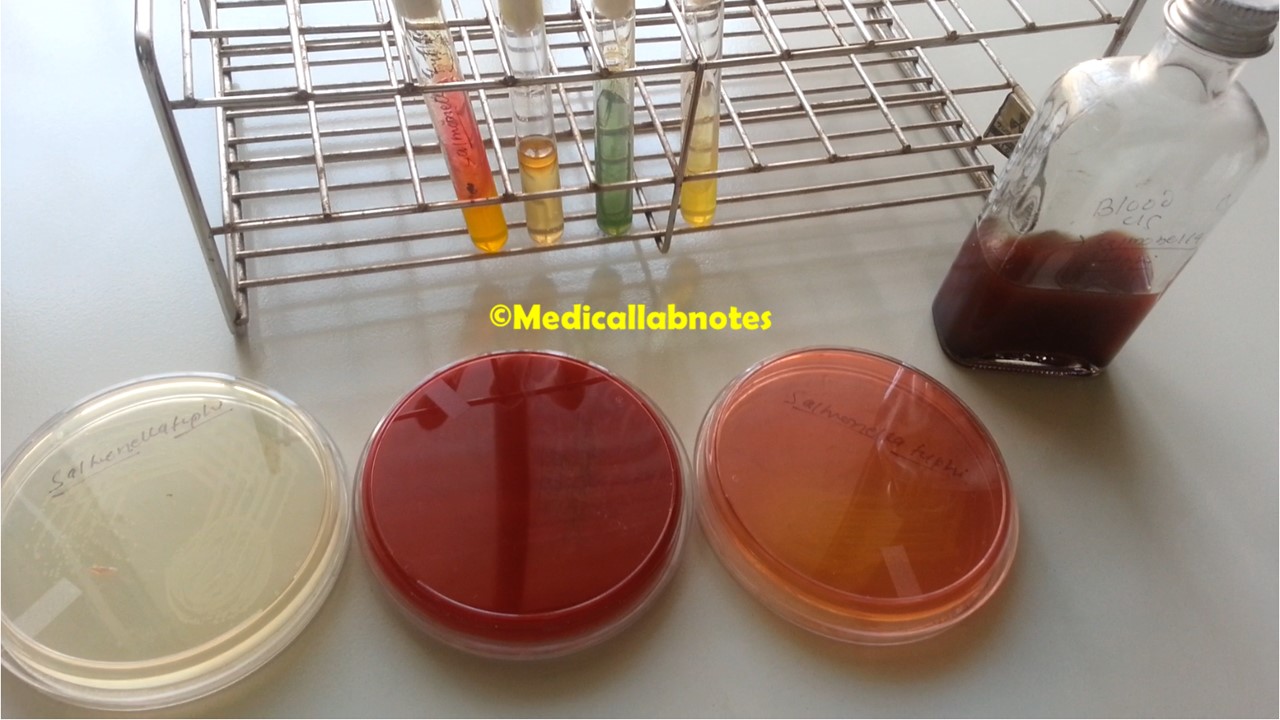
Salmonella Typhi isolated from blood culture-Growth on Nutrient agar, blood agar and MacConkey medium, Biochemical reactions in TSI, SIM,Citrate and Urea agar, and growth on broth medium (blood culture bottle)-demonstration

Introduction of Microbiology Reporting Methods Microbiology Reporting Methods are useful to provide similar report formats from different Microbiology Laboratory platforms that should sound Microbiologically clear and concise. It should also be compatible with International Guidelines of Clinical Microbiology Practice like the Clinical & Laboratory Standards …

Read more

Bacteria-wise Antimicrobial Susceptibility Testing (AST): Introduction, List of Bacterial Panel, Antibiotics

Bacteria wise Antimicrobial Susceptibility Testing (AST): Introduction, List of Bacterial Panel, Antibiotics

Introduction of Bacteria-wise Antimicrobial Susceptibility Testing (AST) All antimicrobial agents/ antibiotics are not applicable for all bacteria and for this reason, we should follow organism-wise antibiotics policy. As we know, antimicrobial resistance (AMR) is increasing day by day but no new antibiotic has not been …

Read more