
Introduction
Table of Contents

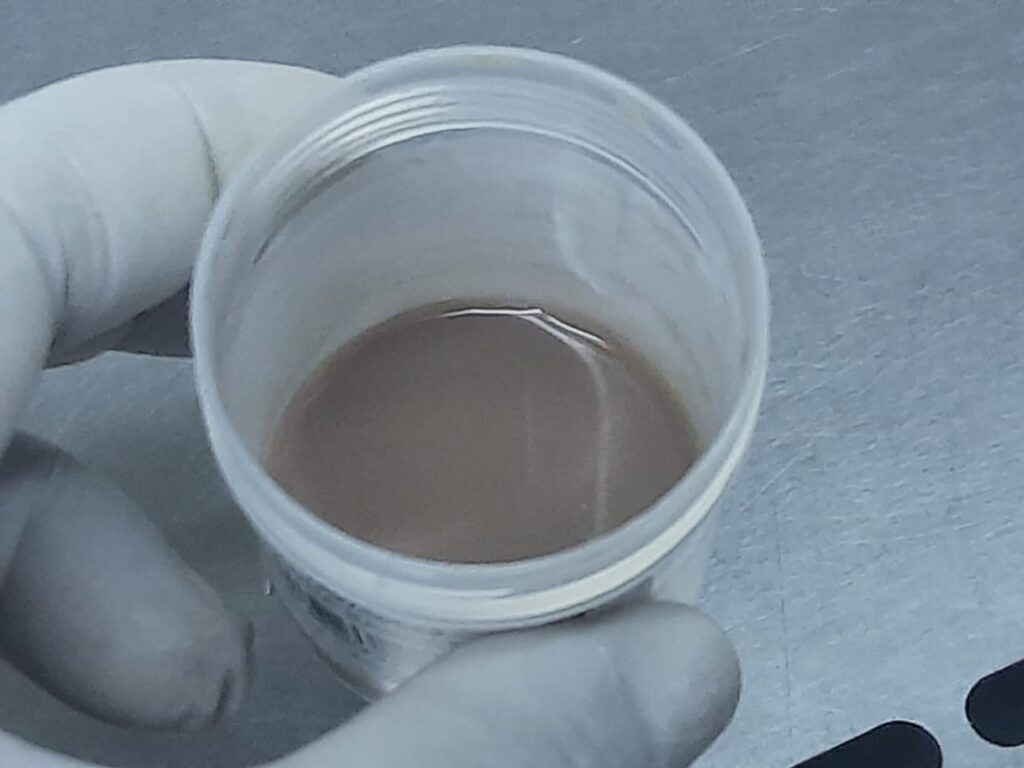
Fungal culture is the gold standard method for the detection and identification of pathogenic fungi in clinical microbiology. It is essential for diagnosing superficial, subcutaneous, and systemic mycoses. Clinical specimens such as blood, sputum, bronchoalveolar lavage (BAL), urine, cerebrospinal fluid (CSF), skin scrapings, nail clippings, tissue biopsies, and sterile body fluids can all be processed for fungal culture. While direct microscopy provides rapid presumptive evidence, culture allows definitive identification, antifungal susceptibility testing, and epidemiological typing.
Principle

- Sample Collection & Processing: Proper aseptic collection of specimens is critical. Contaminated samples may require selective media to suppress bacterial or saprophytic fungal growth.
- Culture Media:
- Primary medium: Sabouraud dextrose agar (SDA) with chloramphenicol (to inhibit bacteria).
- Selective media: Mycosel agar and Chromogenic Candida agar.
- Incubation Conditions:
- Usually at 25–30 °C for molds (to encourage sporulation and morphology).
- 35–37 °C for yeasts and pathogenic dimorphic fungi (e.g., Histoplasma, Blastomyces).
- Some dimorphic fungi require incubation at both temperatures for the demonstration of dimorphism.
- Growth Duration:
- Yeasts: 24–72 hours.
- Molds: 3–7 days (sometimes weeks).
- Identification: Based on colony morphology, pigmentation, growth rate, microscopic features (LPCB mount, slide culture), biochemical tests (for yeasts), MALDI-TOF, or sequencing.

Clinical Significance

- Definitive Diagnosis: Confirms fungal pathogens in invasive infections, dermatophytosis, candidiasis, aspergillosis, cryptococcosis, and endemic mycoses.
- Guides Therapy: Pure cultures are required for antifungal susceptibility testing (AFST) by CLSI/EUCAST methods.
- Epidemiology: Provides isolates for molecular typing in outbreak investigations.
- Detection of Rare Fungi: Some uncommon or resistant fungi (Scedosporium, Lomentospora, Mucorales) are detected through culture.
- Limitations: Slow turnaround time, risk of contamination, and low sensitivity in heavily pre-treated patients (antifungal therapy before sampling).

Keynotes
- Fungal culture remains the gold standard despite newer antigen and molecular tests.
- Requires careful sample collection, proper use of selective and differential media, and optimal incubation conditions.
- Dimorphic fungi must be incubated at both 25 °C and 37 °C to demonstrate phase conversion.
- Provides isolates for molecular identification, antifungal susceptibility, and resistance studies.
- Interpretation should be combined with clinical findings, direct microscopy, and serology.
- Culture results are invaluable in oncology, transplant, and ICU patients, where invasive fungal infections are life-threatening.

Further Readings
- https://www.apollohospitals.com/diagnostics-investigations/fungal-culture-test
- https://medlineplus.gov/lab-tests/fungal-culture-test/
- https://en.fungaleducation.org/culture/
- https://bmcinfectdis.biomedcentral.com/articles/10.1186/s12879-021-06838-6
- https://onlinelibrary.wiley.com/doi/abs/10.1002/9781683670438.cmph0104
- https://pmc.ncbi.nlm.nih.gov/articles/PMC3968782/
- https://microbeonline.com/slide-culture-for-fungi/
- https://byjus.com/biology/kingdom-fungi/
- https://clsi.org/resources/insights/detection-and-culture-of-fungi-in-clinical-specimens/
- https://www.studysmarter.co.uk/explanations/biology/biology-experiments/fungal-culture/
- https://www.phytojournal.com/archives/2016/vol5issue6/PartC/5-4-35-542.pdf