
Introduction
Table of Contents
Direct microscopic examination is one of the most rapid and inexpensive diagnostic methods for detecting fungal elements in clinical specimens. Potassium hydroxide (KOH) smear is a routine technique in mycology that helps visualize fungal structures such as hyphae, yeast cells, and sclerotic bodies directly from patient samples. It is widely used as a first-line screening test for suspected fungal infections before culture or molecular testing.
Uses of Direct Microscopy-KOH Smear
- Rapid Screening – Provides immediate results within minutes, aiding in early diagnosis.
- Detection of Fungi – Useful for visualizing septate hyphae, aseptate hyphae, budding yeasts, pseudohyphae, and spores.


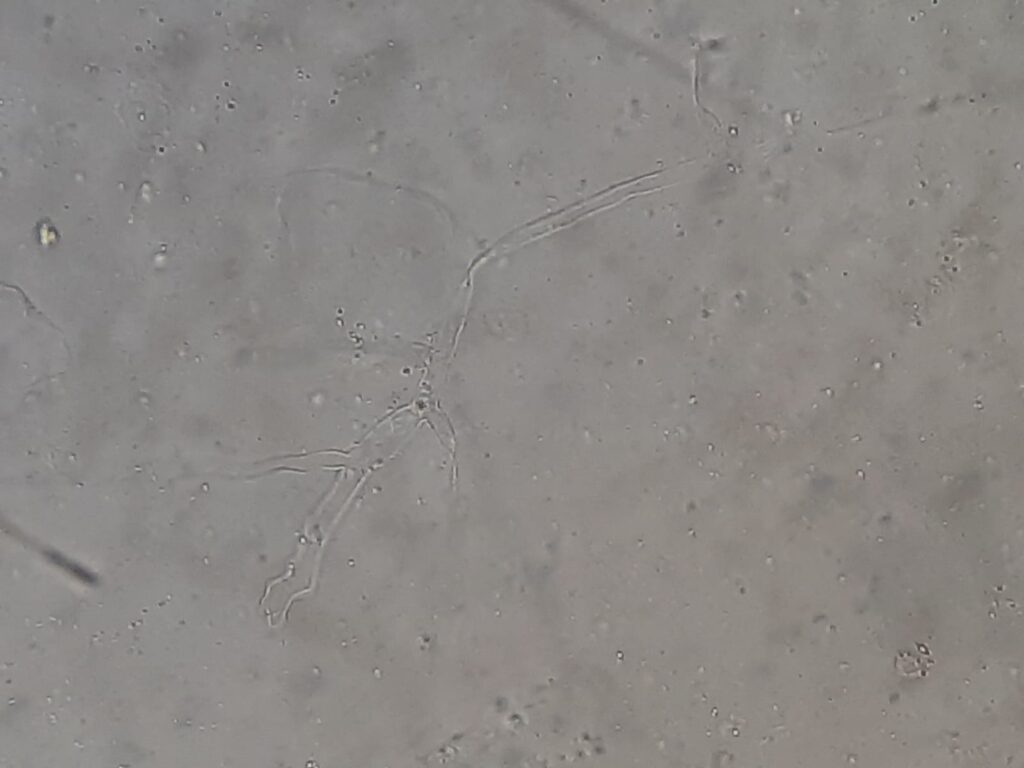


- Sample Types – Can be applied to skin scrapings, hair, nails, sputum, pus, corneal scrapings, urine, and biopsy material.


- Clinical Application – Essential in diagnosing dermatophytosis, candidiasis, aspergillosis, mucormycosis, chromoblastomycosis, and other superficial or systemic mycoses.
- Adjunct Tool – Serves as a rapid preliminary test before culture, histopathology, antigen, or molecular assays.

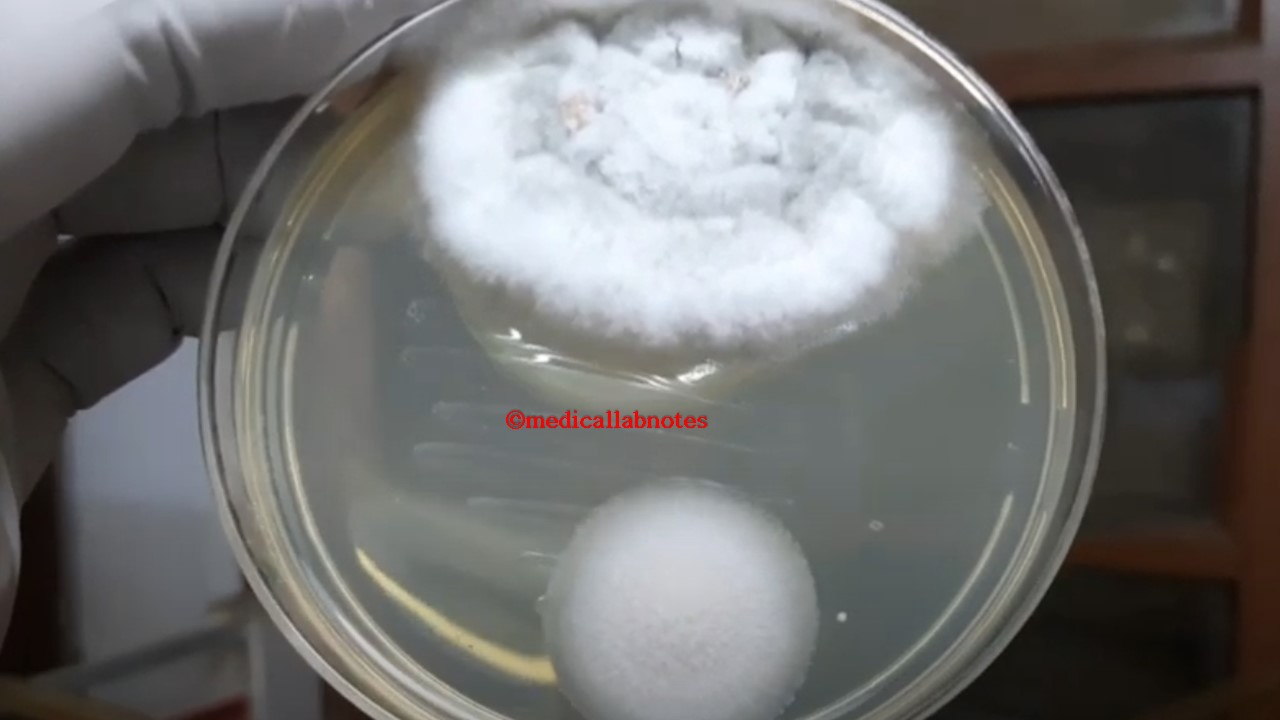
Keynotes on Direct Microscopy-KOH Smear
- Principle: KOH clears keratin and cellular debris, making fungal elements more visible under the microscope.
- Concentrations: 10% KOH for skin/hair, 20–40% KOH for nails; heating can enhance clearing.
- Visualization: Lactophenol, cotton blue, calcofluor white, or Parker ink can be added for contrast.
- Advantages: Simple, inexpensive, rapid, and highly useful in low-resource settings.
- Limitations: Cannot identify species; sensitivity depends on fungal load and observer experience.
- Best Use: Serves as an initial diagnostic step for suspected fungal infections in dermatology, ophthalmology, pulmonology, and general medicine.

Further Readings
- https://www.medicalnewstoday.com/articles/322331
- https://www.youtube.com/watch?v=LUwNQI_0BWU&t=1
- https://pmc.ncbi.nlm.nih.gov/articles/PMC8654087/
- https://flabslis.com/blogs/koh-test-procedure
- https://www.healthline.com/health/skin-lesion-koh-exam
- https://drkothiwalaskineva.com/medical-dermatology/koh-mount-for-fungal-diseases/
- https://pmc.ncbi.nlm.nih.gov/articles/PMC11642458/
- https://en.wikipedia.org/wiki/KOH_test
- https://journals.lww.com/ijpd/fulltext/2020/21040/mount_the_menace____potassium_hydroxide_in.26.aspx
- https://diag.vn/en/thongtinyte/koh-in-nail-and-skin-mycology-diagnosis/
- https://www.linkedin.com/posts/dip-ghosh-2329b3291_clinicalmycology-medicallaboratory-fungalinfections-activity-7359249932584722434-79Yj
- https://iacdworld.org/wp-content/uploads/2016/12/kohpreparation.pdf