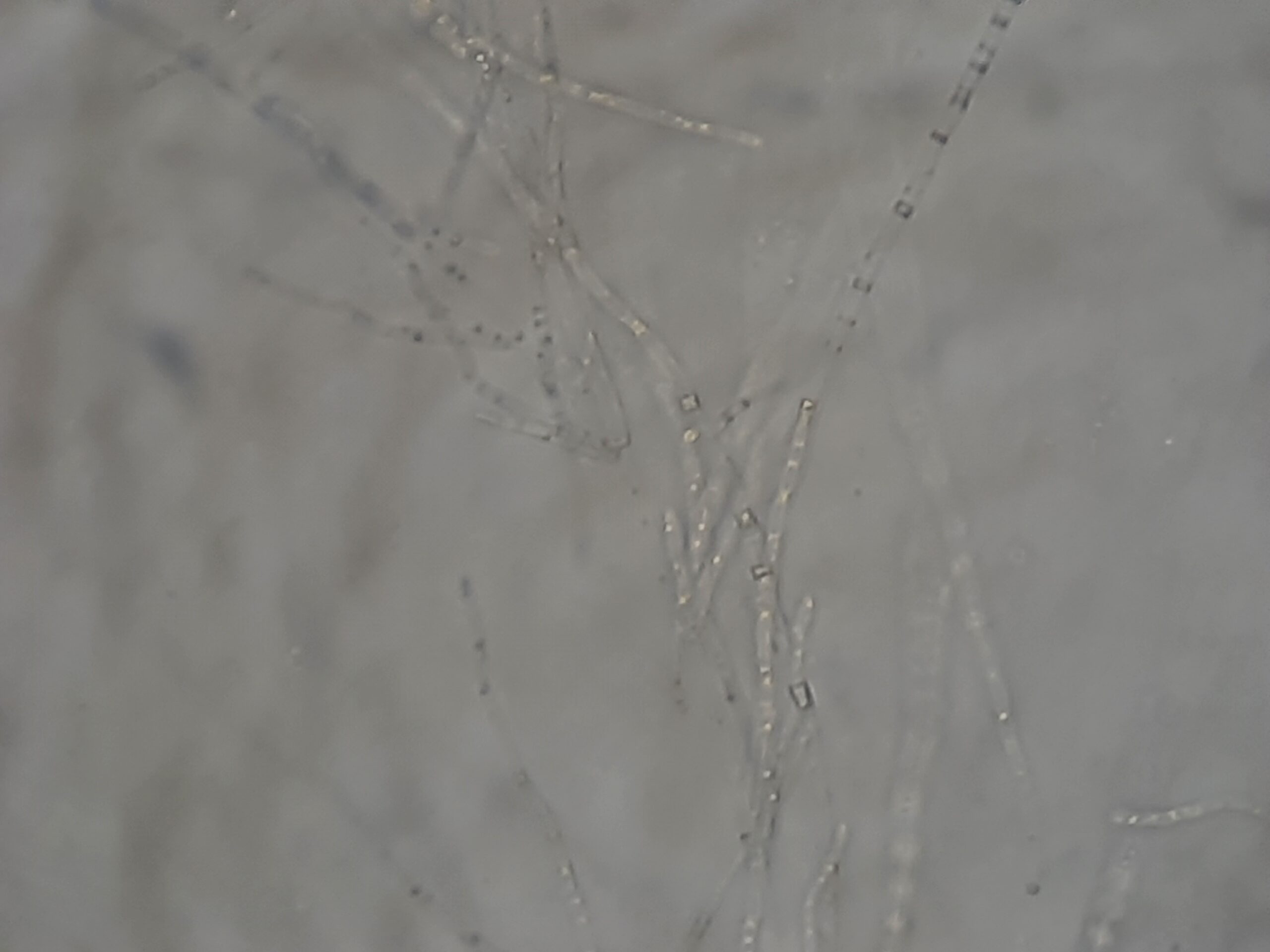
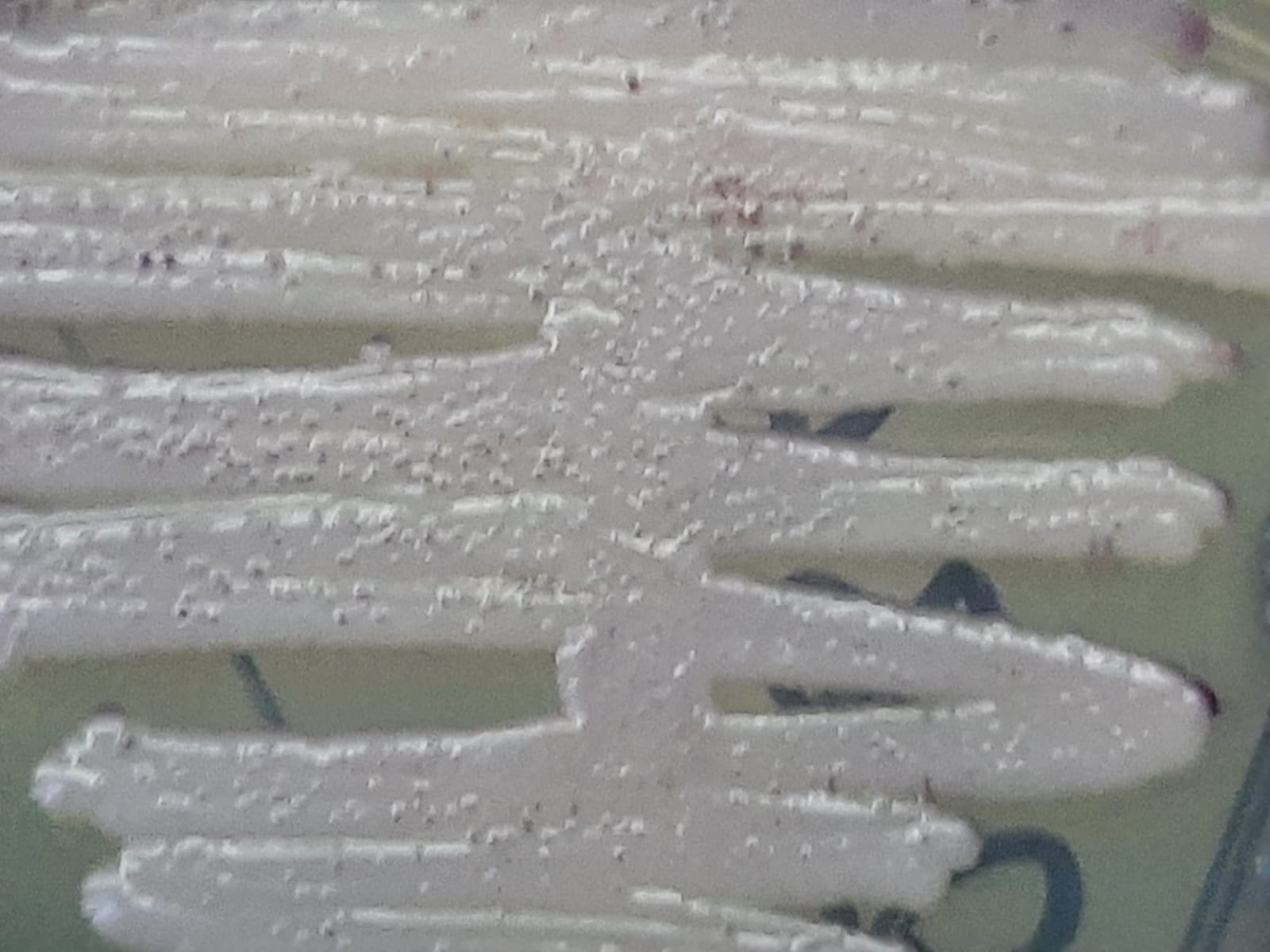
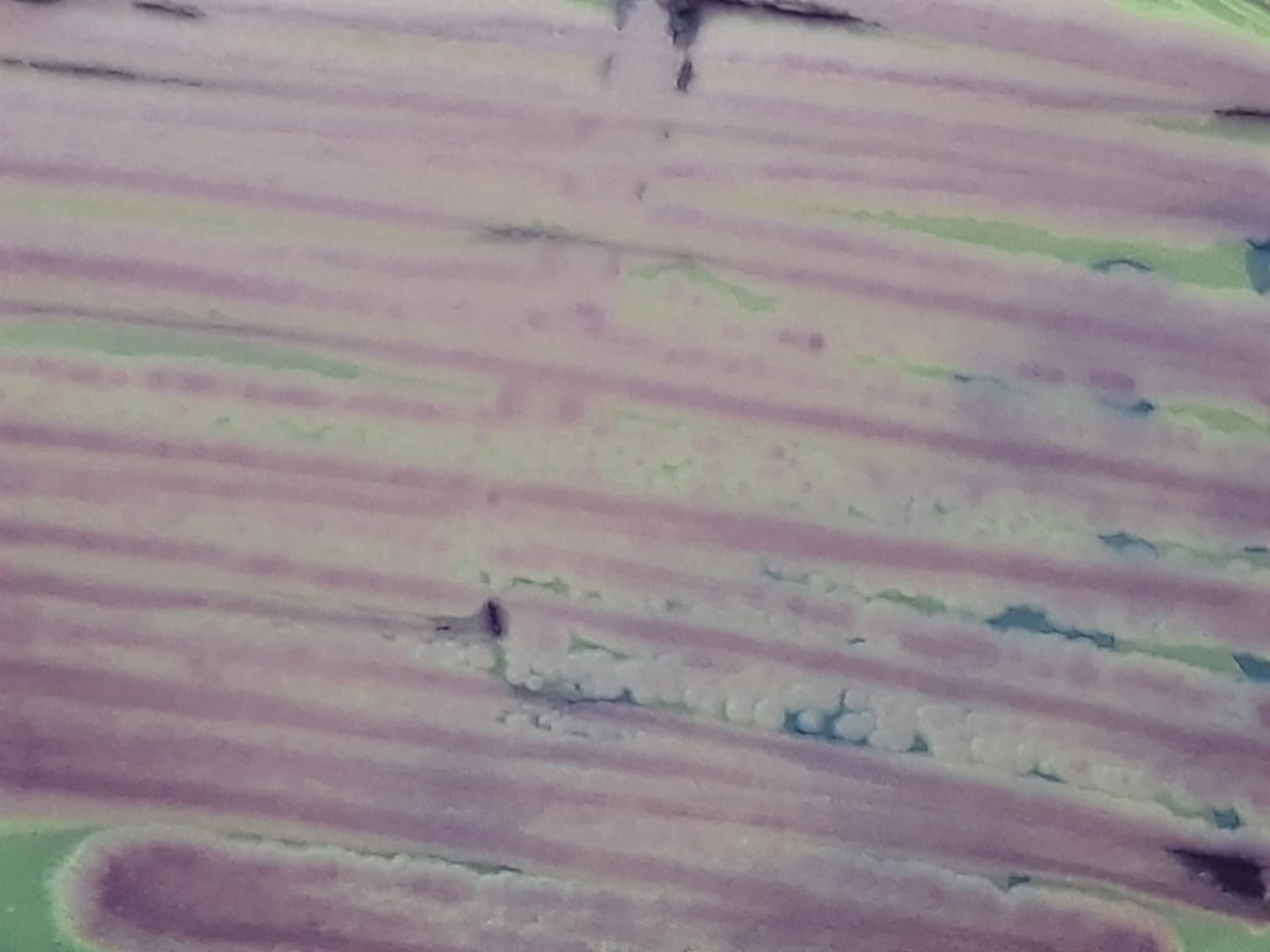
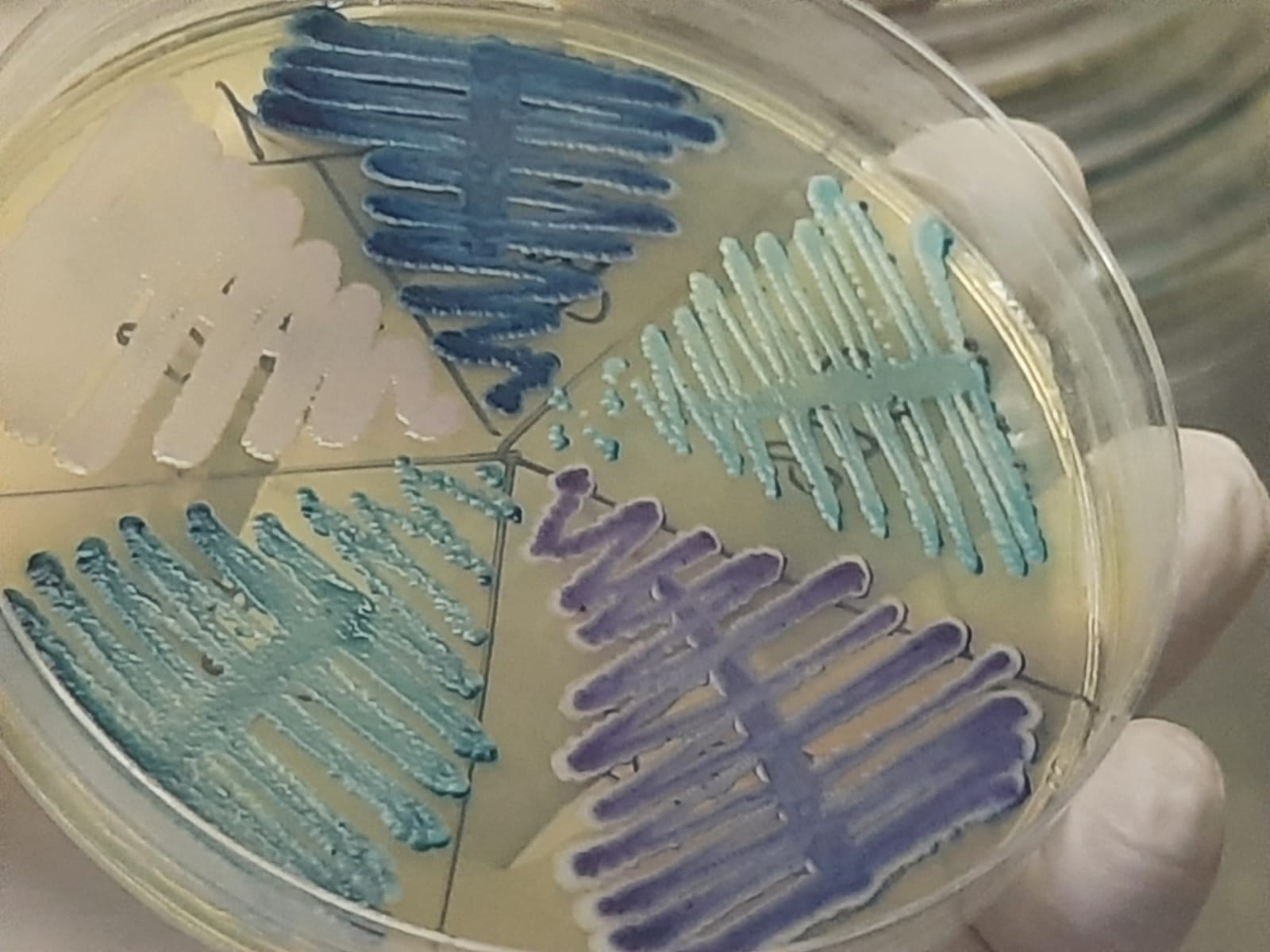
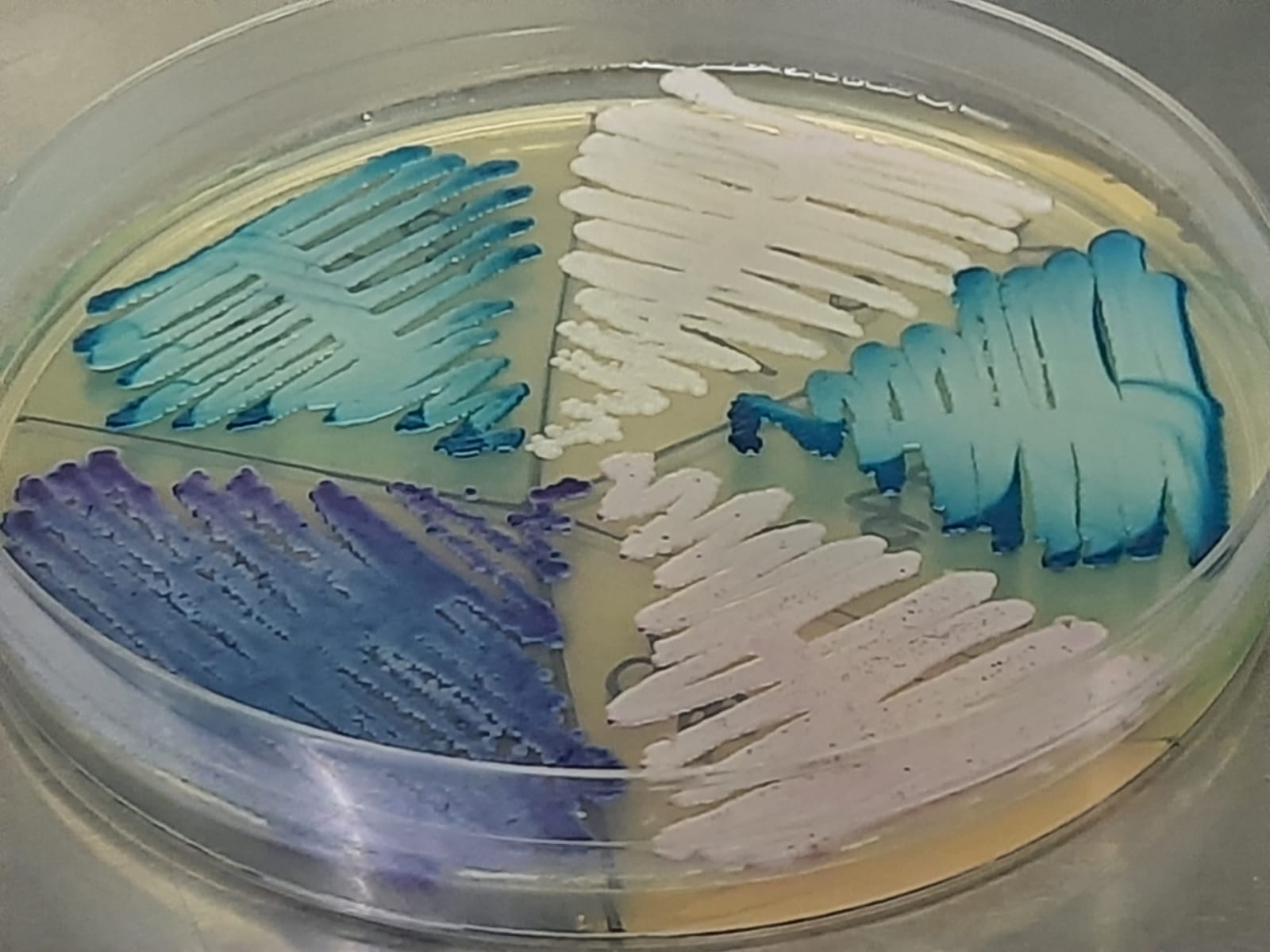
Isolation and Preliminary Identification of Bacterial and Yeast Colonies on Sabouraud Dextrose Agar Using the Wet Mount Technique

Isolation and Preliminary Identification of Bacterial and Yeast Colonies on Sabouraud Dextrose Agar Using the Wet Mount Technique

Introduction Sabouraud Dextrose Agar (SDA) is a commonly used culture medium in clinical mycology laboratories for the isolation of fungi, particularly yeasts and molds. Due to its acidic pH and high dextrose concentration, SDA favors fungal growth; however, bacteria and yeasts may also grow, especially …

Read more

Sterility Testing (GMP) for Mycology Lab:Introduction, Application, and Keynotes

Fungal growth on a stored normal saline plastic bottle

Introduction Sterility testing in a GMP-compliant mycology laboratory is a critical quality assurance process used to confirm that pharmaceutical products, culture media, reagents, water systems, and laboratory environments are free from viable microorganisms, including fungi and yeasts.It follows regulatory guidelines defined by WHO, EU-GMP, USP …

Read more

Fungal Elements in KOH Mount of BAL (Bronchoalveolar Lavage) Microscopy- Introduction, Fungal Elements Observed in BAL KOH Mount, Applications, and Keynotes

Fungal Elements in wet mount of culture of BAL specimen

Introduction KOH mount (Potassium Hydroxide preparation) is a rapid, simple, and cost-effective microscopic technique used to detect fungal elements directly in clinical specimens.When applied to Bronchoalveolar Lavage (BAL) samples, it is an essential diagnostic tool for identifying pulmonary fungal infections, especially in the ICU, oncology, …

Read more

Direct Microscopy-KOH Smear: Introduction, Uses, and Keynotes

Introduction Direct microscopic examination is one of the most rapid and inexpensive diagnostic methods for detecting fungal elements in clinical specimens. Potassium hydroxide (KOH) smear is a routine technique in mycology that helps visualize fungal structures such as hyphae, yeast cells, and sclerotic bodies directly …

Read more

Aspergillus-Antigen Testing:Introduction, Principle, Clinical Significance, and Keynotes

Aspergillus-Antigen Testing-Introduction, Principle, Clinical Significance, and Keynotes

Introduction Aspergillus species, particularly Aspergillus fumigatus, are major causes of invasive aspergillosis (IA), especially in immunocompromised patients, such as those with hematological malignancies, transplant recipients, or those with prolonged neutropenia. Diagnosis of IA is often challenging because clinical symptoms and radiological findings are nonspecific. Aspergillus …

Read more

β-D-Glucan: Introduction, Principle, Clinical Significance, and Keynotes

Introduction β-D-Glucan (BDG) is a polysaccharide component of the fungal cell wall, widely present in species such as Candida, Aspergillus, Fusarium, and Pneumocystis jirovecii. Since it is released into the bloodstream during invasive fungal infections (IFIs), detection of BDG has become a valuable non-culture-based diagnostic …

Read more

Blood Culture–Positive Yeasts: Introduction, Common molds, Comparison, and Keynotes

Gram-positive budding yeast-like cells, oval to elongated, arranged singly, in pairs, and in short pseudohyphae-like forms in Gram staining of culture microscopy at a magnification of 4000X

Introduction Unlike molds, yeasts are the most commonly recovered fungi in blood cultures. Candidemia is among the leading causes of bloodstream infections in immunocompromised and critically ill patients. Yeasts such as Candida, Cryptococcus, and Trichosporon are responsible for significant morbidity and mortality. Blood culture positivity …

Read more

Blood Culture–Positive Molds: Introduction, Common molds, Comparison, and Keynotes

Blood Culture–Positive Molds

Introduction Blood cultures are the cornerstone for diagnosing fungemia, but while yeasts (Candida spp.) are frequently detected, molds are rarely recovered in blood culture systems. This is because most molds (Aspergillus, Mucorales) cause tissue-invasive disease without sustained fungemia. However, certain molds such as Fusarium spp. …

Read more