VITEK 2 Yeast Identification: Introduction, Name of Card, Principle, Procedure, Result-Interpretation, Organisms Identified, and Keynotes
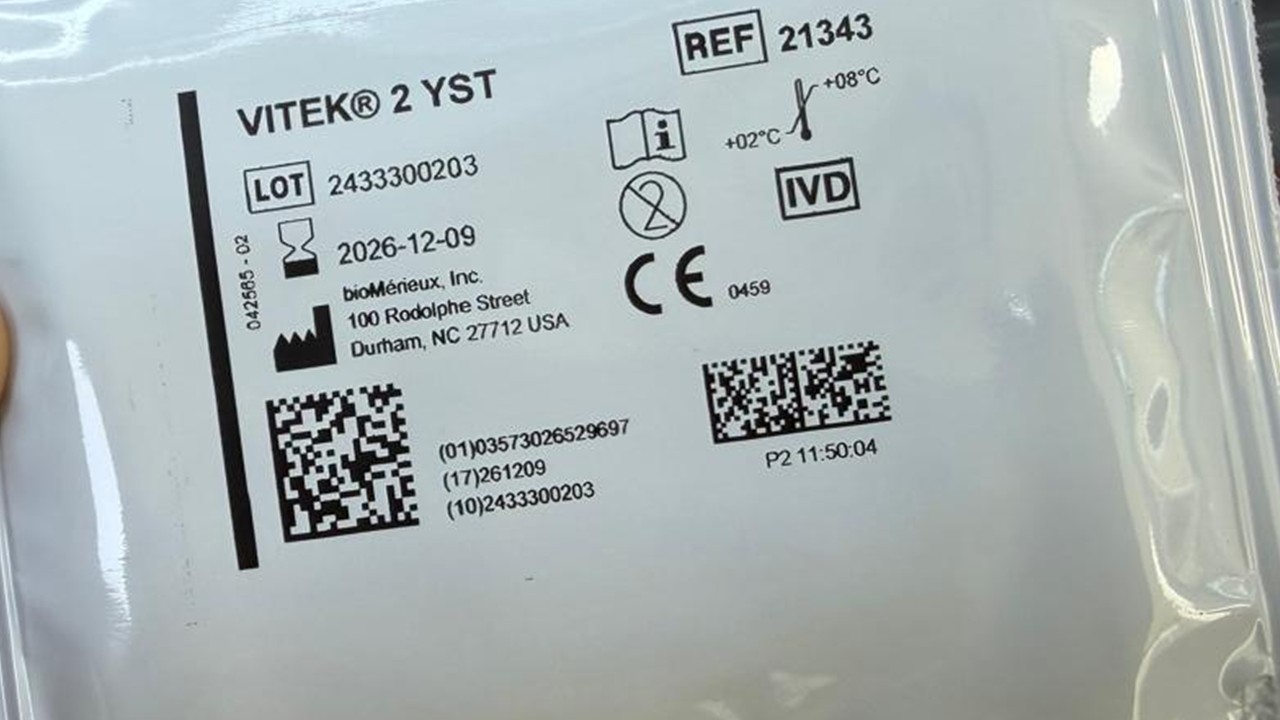
VITEK 2 YST Card information and Organisms Identified

Introduction The VITEK 2 Yeast Identification (YST) system is an automated platform designed for the rapid identification of clinically significant yeasts and yeast-like organisms. It significantly reduces the turnaround time from several days (traditional methods) to approximately 15 to 18 hours. Name of the Card …
Read more

Direct Microscopy-India Ink smear-Introduction, Uses, and Keynotes

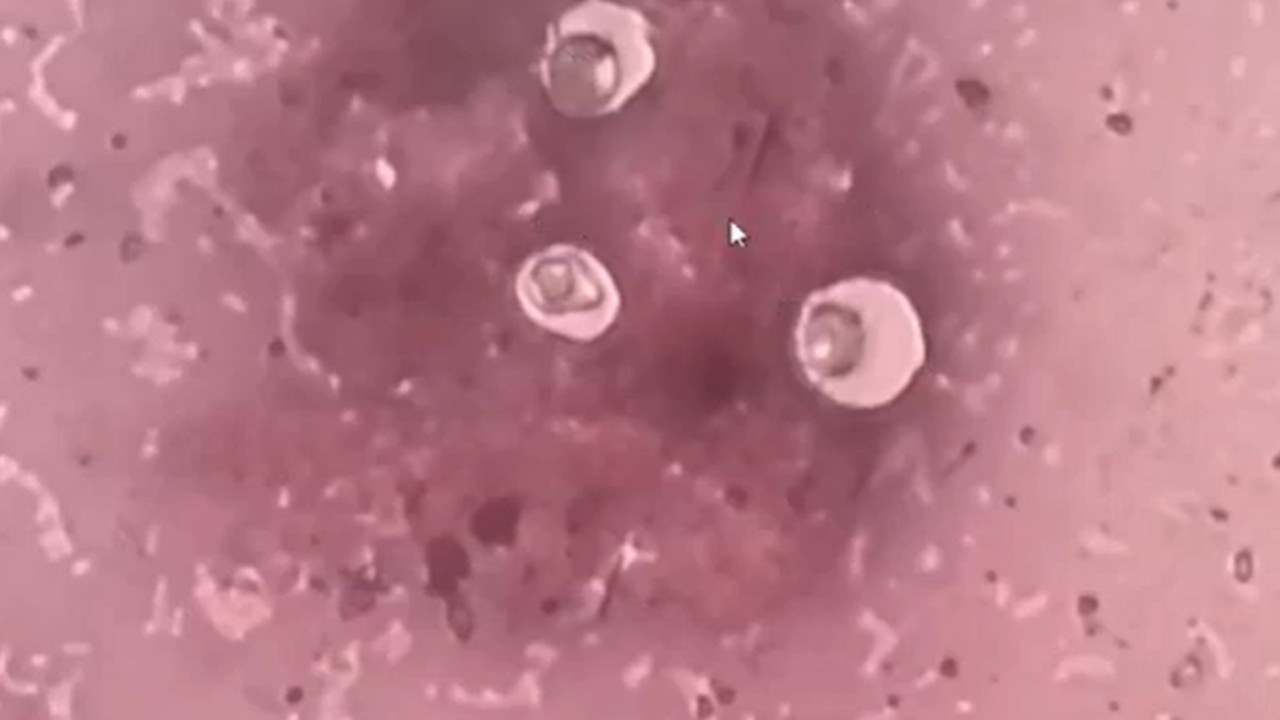
Direct Microscopy-India Ink smear showing encapsulated yeast cells

Introduction India Ink Smear is a direct microscopic technique used for the rapid identification of encapsulated fungi, particularly Cryptococcus neoformans and Cryptococcus gattii, in clinical specimens such as cerebrospinal fluid (CSF), sputum, and urine. This simple, rapid, and cost-effective test allows visualization of the thick …

Read more

Blood Culture–Positive Yeasts: Introduction, Common molds, Comparison, and Keynotes

Gram-positive budding yeast-like cells, oval to elongated, arranged singly, in pairs, and in short pseudohyphae-like forms in Gram staining of culture microscopy at a magnification of 4000X

Introduction Unlike molds, yeasts are the most commonly recovered fungi in blood cultures. Candidemia is among the leading causes of bloodstream infections in immunocompromised and critically ill patients. Yeasts such as Candida, Cryptococcus, and Trichosporon are responsible for significant morbidity and mortality. Blood culture positivity …

Read more

Yeast Identification by Auxacolor System-Introduction, Principle, Clinical Significance, and Keynotes

Introduction The Auxacolor System is a commercially available biochemical-based yeast identification method widely used in clinical microbiology laboratories. It provides a simple, standardized approach to identifying medically important yeasts, including Candida, Cryptococcus, Trichosporon, and others. Unlike molecular tools or MALDI-TOF MS, Auxacolor is inexpensive, does …

Read more

Fungemia-Introduction, Common Fungi, Clinical Feature, Lab Diagnosis, Treatment, and Prevention

Blood fungal culture bottles containing a biphasic medium used for detecting fungal growth in fungemic patients

Introduction Fungemia refers to the presence of fungi in the bloodstream, indicating systemic fungal infection. Candida species are most commonly responsible, but other yeasts and molds may also invade the bloodstream. Fungemia is a medical emergency, especially in ICU patients, immunocompromised hosts, post-surgical cases, and …

Read more

Funguria-Introduction, Common fungi, Clinical Feature, Lab Diagnosis, Treatment, and Prevention

Urine sample for fungal culture and KOH mount

Introduction Funguria refers to the presence of fungi in the urine, either due to colonization, contamination, or true urinary tract infection (UTI). It is increasingly reported in hospitalized or catheterized patients, particularly those with immunosuppression, antibiotic overuse, or diabetes. Most cases are asymptomatic, but it …

Read more

Common Invasive Fungal Pathogens in Cancer Patients: Introduction, List, Risk factors, and Keynotes

Common Invasive Fungal Pathogens in Cancer Patients- Introduction, List, Risk factors, and Keynotes

Introduction Common invasive fungal pathogens that frequently affect cancer patients, especially those who are immunocompromised due to chemotherapy, hematologic malignancies, or bone marrow/stem cell transplants. List of Common Invasive Fungal Pathogens 1. Candida species Causes: Candidemia, disseminated candidiasisRisk: Neutropenia, central venous catheter, broad-spectrum antibiotics 2. …

Read more

Cryptococcal Antigen (CrAg) Testing-Introduction, Principle, Sample used, Detection Methods, Clinical Significance, Limitations, and Keynotes

Cryptococcal Antigen (CrAg) Testing-Introduction, Principle, Sample used, Detection Methods, Clinical Significance, Limitations, and Keynotes

Introduction of Cryptococcal Antigen (CrAg) Testing  Cryptococcal antigen (CrAg) testing detects the presence of antigens produced by the Cryptococcus fungus in body fluids, aiding in the diagnosis of cryptococcosis, particularly meningitis. This test helps identify infection early, even before visible symptoms appear, and is crucial for timely …

Read more