Fungal Elements in KOH Mount of Bile Microscopy-Introduction, Fungal Elements Observed in Bile KOH Mount, Applications, and Keynotes

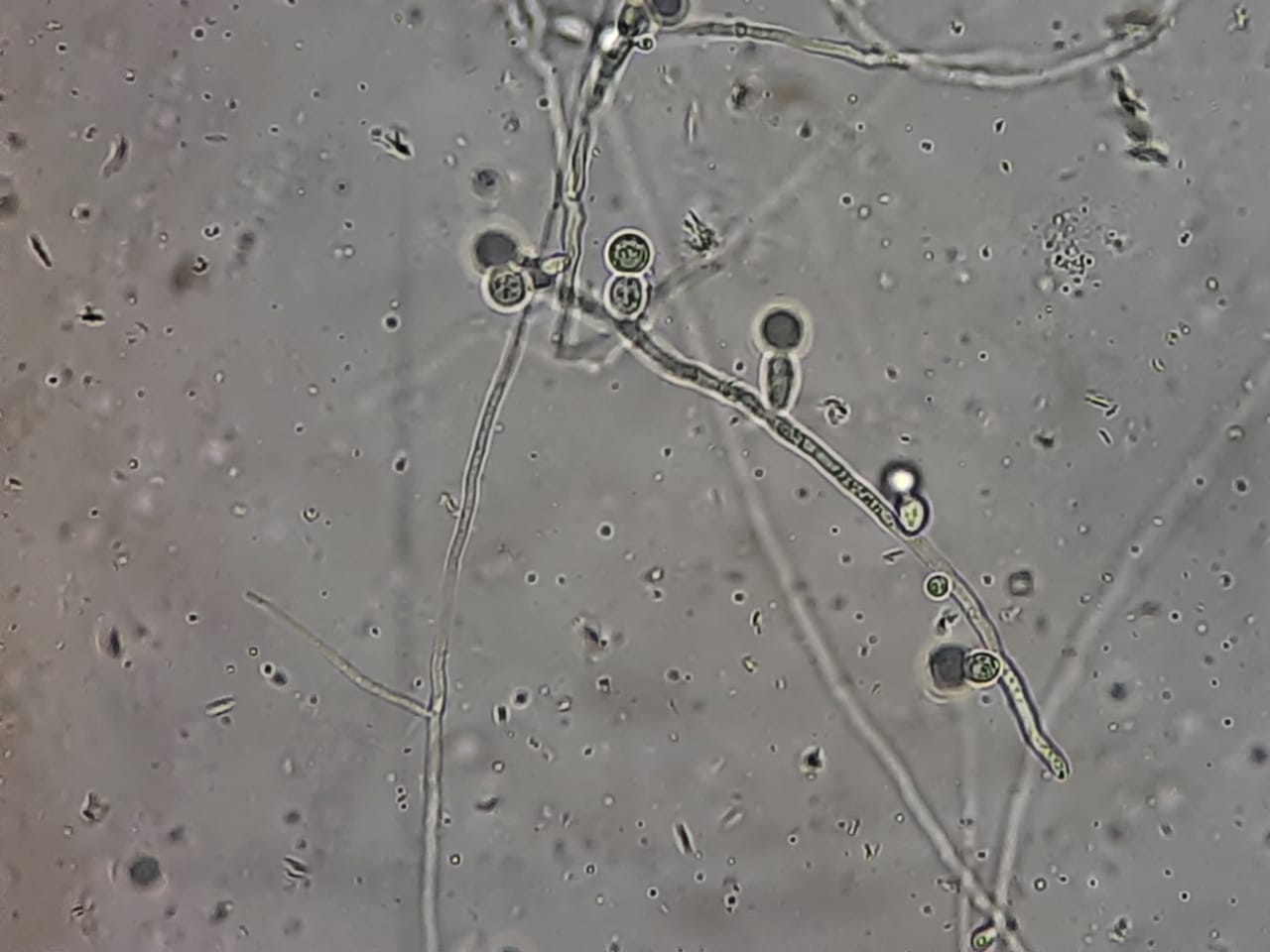
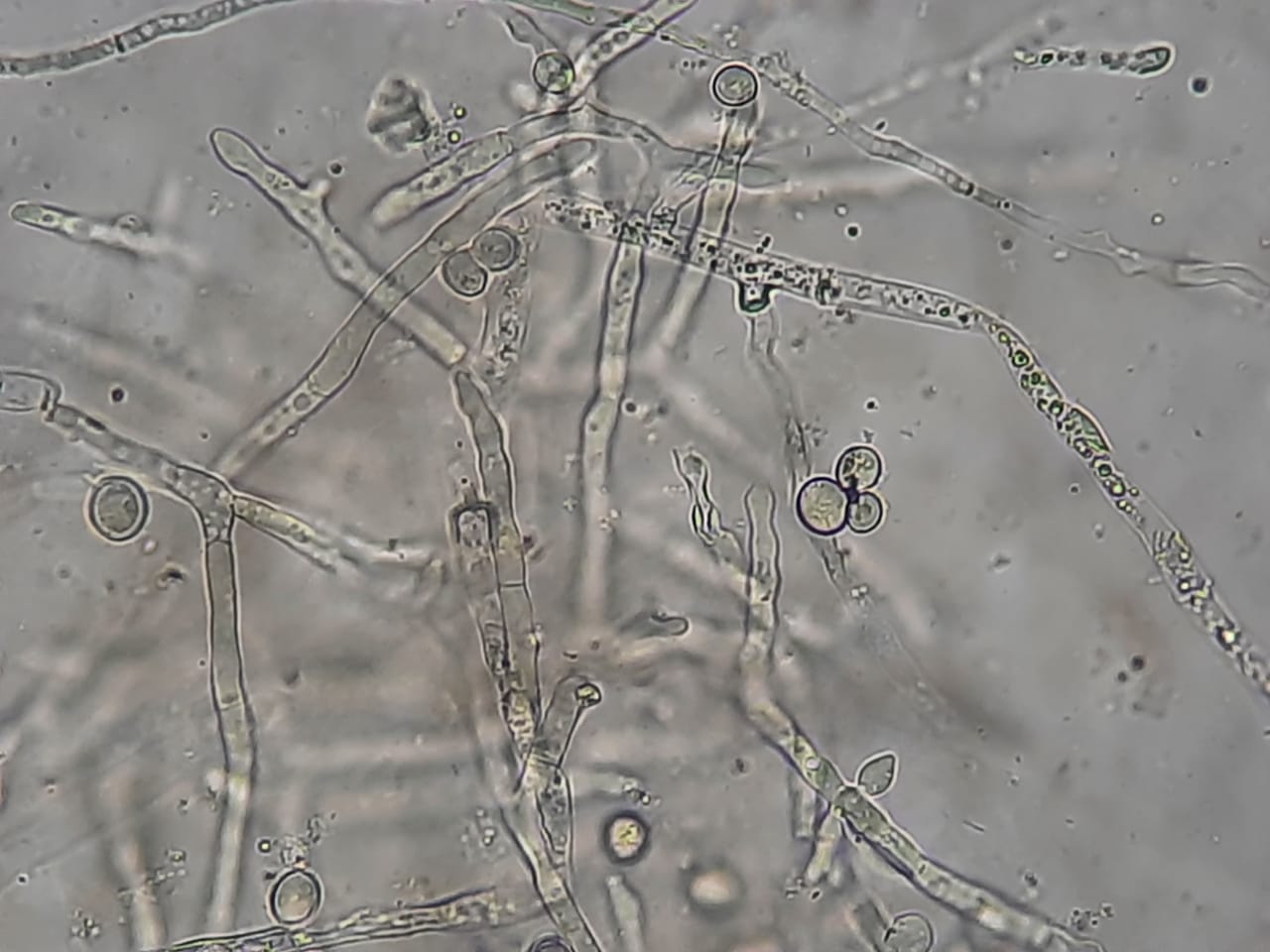
Bile sample before centrifugation for KOH mount and fungal culture

Introduction KOH Mount of Bile is a direct microscopic examination technique used to detect fungal elements in bile fluid collected during ERCP, biliary drainage, cholecystectomy, or liver procedures.Because bile contains mucus, epithelial debris, fats, and pigments, a 10–20% Potassium Hydroxide (KOH) solution is used to …
Read more

Fungal Elements in KOH Mount of Sputum Microscopy-Introduction, Fungal Elements Observed in Sputum KOH Mount, Applications, and Keynotes

Fungal Elements in KOH Mount of Sputum Microscopy at a magnification of 1600X

Introduction KOH mount of sputum is a rapid, direct microscopic technique used to detect fungal elements in the respiratory tract. A 10–20% Potassium Hydroxide (KOH) solution digests mucus, epithelial cells, and debris in sputum, while preserving the chitin-rich fungal cell walls, making them appear clear, …

Read more

Fungal Elements in KOH Mount of BAL (Bronchoalveolar Lavage) Microscopy- Introduction, Fungal Elements Observed in BAL KOH Mount, Applications, and Keynotes

Fungal Elements in wet mount of culture of BAL specimen

Introduction KOH mount (Potassium Hydroxide preparation) is a rapid, simple, and cost-effective microscopic technique used to detect fungal elements directly in clinical specimens.When applied to Bronchoalveolar Lavage (BAL) samples, it is an essential diagnostic tool for identifying pulmonary fungal infections, especially in the ICU, oncology, …

Read more

Multiplex PCR assay-Directly on Respiratory samples:Introduction, Principle, Clinical Significance, and Keynotes

Introduction Respiratory tract infections are caused by a wide range of pathogens, including viruses, bacteria, and fungi. Conventional diagnostic methods such as culture, microscopy, and antigen detection are time-consuming and often lack sensitivity. Multiplex polymerase chain reaction (PCR) assays, applied directly to respiratory samples (sputum, …

Read more

Pneumocystis PCR: Introduction, Principle, Test Requirements, Procedure, Result-Interpretation, Clinical Significance, and Keynotes

Pneumocystis PCR: Introduction, Principle, Test Requirements, Procedure, Result-Interpretation, Clinical Significance, and Keynotes

Introduction Pneumocystis PCR is a molecular diagnostic tool used for the detection of Pneumocystis jirovecii DNA in respiratory specimens, especially in immunocompromised patients suspected of having Pneumocystis pneumonia (PCP).It offers higher sensitivity than traditional staining techniques (e.g., GMS, toluidine blue) and is particularly helpful in …

Read more

Fungal Pneumonia-Introduction, Common fungi, Clinical Feature, Lab Diagnosis, Treatment, and Prevention

Aspergillus fumigatus growth on Sabouraud dextrose agar (SDA) plate

Introduction Fungal pneumonia or invasive fungal pulmonary infection is often life-threatening, especially in immunocompromised patients, such as those with cancer, undergoing chemotherapy, or with HIV/AIDS. pulmonary inflammation caused by inhaled fungal spores or hematogenous fungal spread, leading to pneumonia-like illness. Common Fungi Causing Pulmonary Infections: …

Read more

Common Invasive Fungal Pathogens in Cancer Patients: Introduction, List, Risk factors, and Keynotes

Common Invasive Fungal Pathogens in Cancer Patients- Introduction, List, Risk factors, and Keynotes

Introduction Common invasive fungal pathogens that frequently affect cancer patients, especially those who are immunocompromised due to chemotherapy, hematologic malignancies, or bone marrow/stem cell transplants. List of Common Invasive Fungal Pathogens 1. Candida species Causes: Candidemia, disseminated candidiasisRisk: Neutropenia, central venous catheter, broad-spectrum antibiotics 2. …

Read more

Pneumonia: Introduction, Types, Sign and Symptoms, Common Pathogens, Laboratory Diagnosis, Treatment, Prevention and Control, and Keynotes

Introduction Pneumonia is a common and potentially serious respiratory infection that affects the lungs. It can be caused by various infectious agents, including bacteria, viruses, fungi, and other microorganisms. The infection causes inflammation and swelling in the air sacs of the lungs, known as alveoli, …

Read more