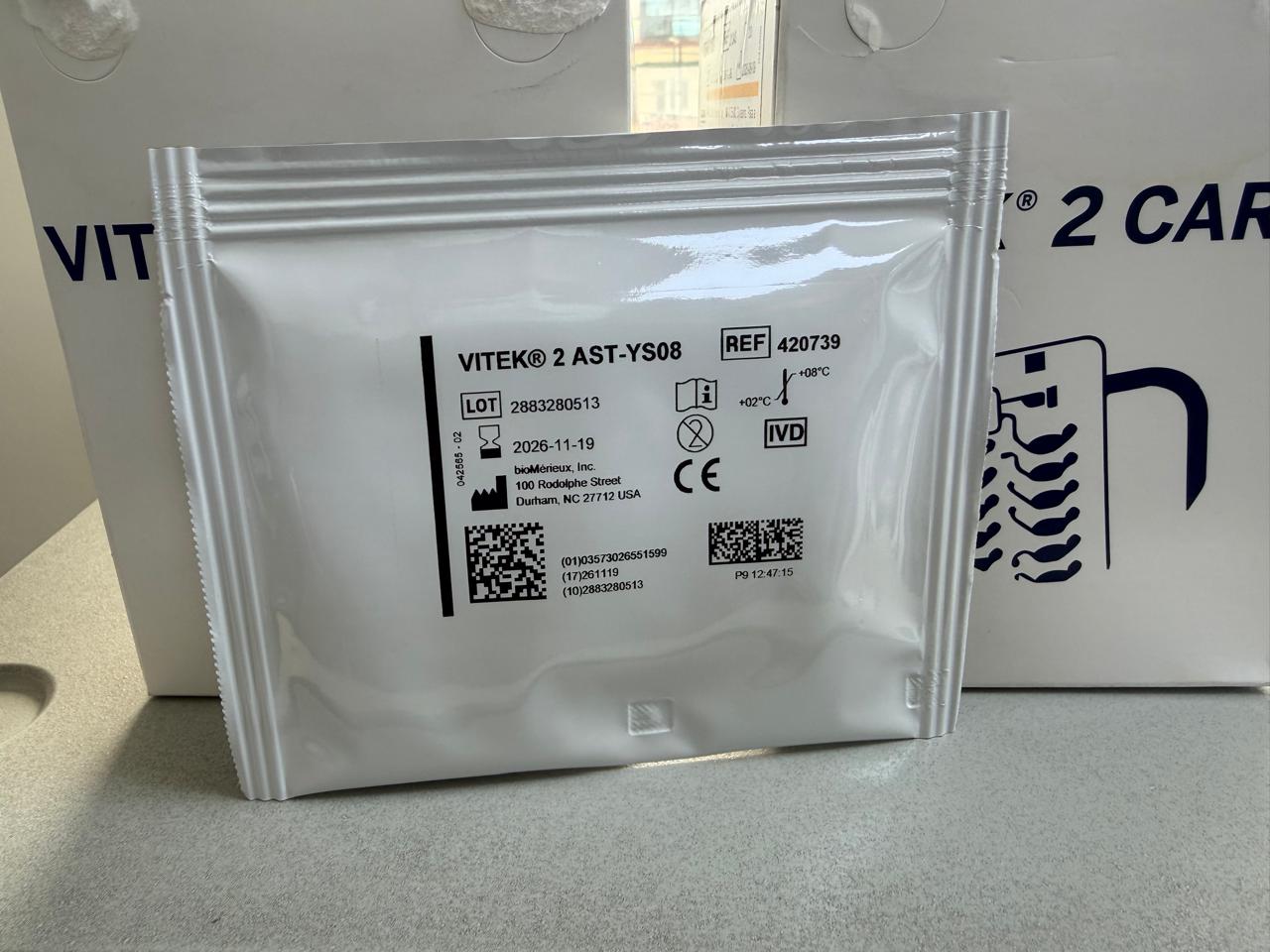
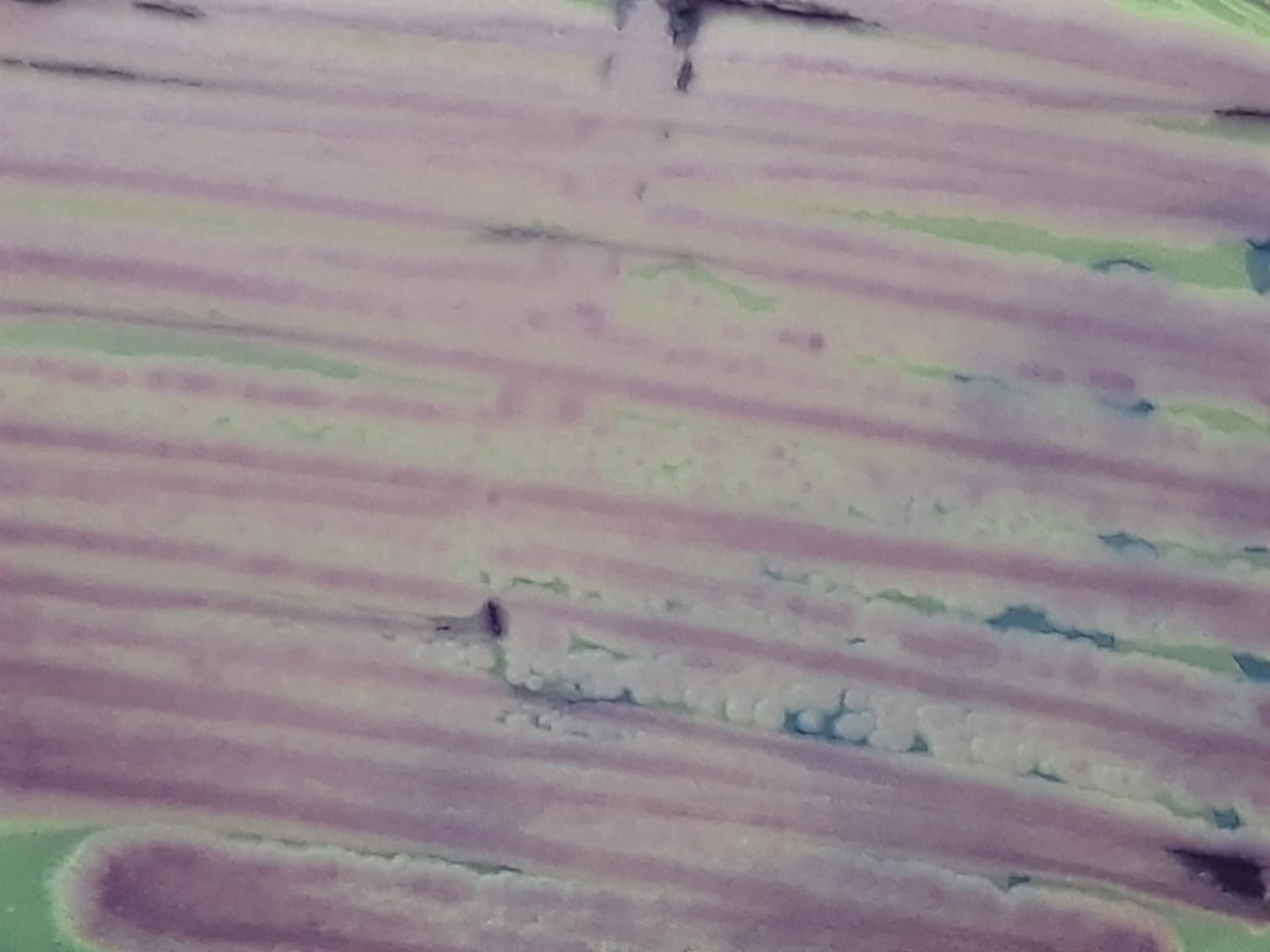
Yeasts (Disk Diffusion) Assay: Introduction, Test Requirements, Procedure, Result-Interpretation, and Keynotes

Yeasts (Disk Diffusion) Assay

Introduction Disk diffusion assay is a standardized method used for testing antifungal susceptibility of yeasts, especially Candida spp. It evaluates the inhibitory effect of antifungal agents on yeast growth by measuring the zone of inhibition around drug-impregnated disks placed on inoculated agar. This method is …

Read more

Penicillium vs Paecilomyces: Introduction, Detailed Comparison, Pathogenicity, Lab Diagnosis, Treatment, Prevention, and Keynotes

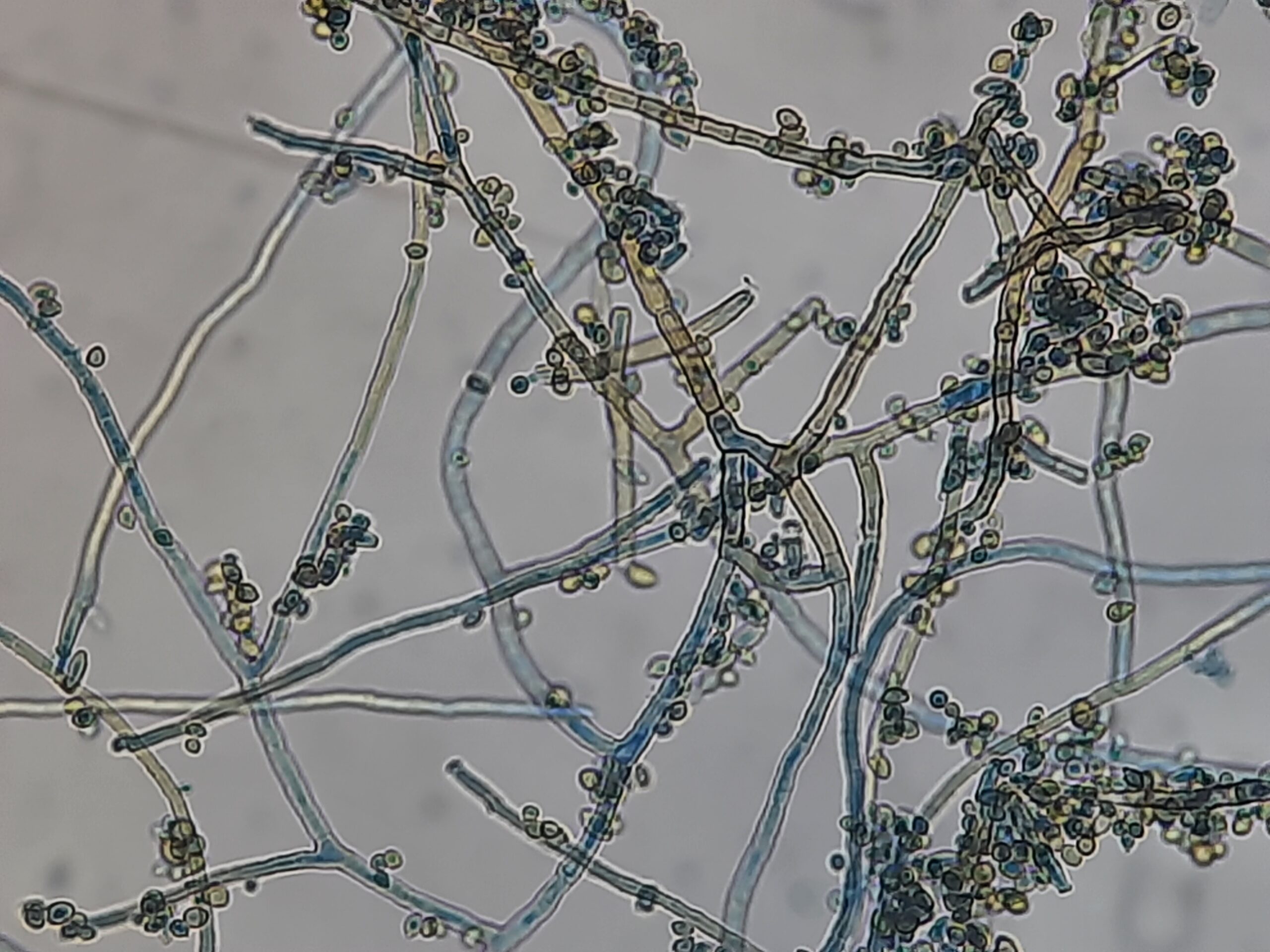
Penicillium typical structure in LPCB preparation

Introduction of Penicillium vs Paecilomyces Penicillium is a ubiquitous, saprophytic mold found in soil, air, and decaying organic matter. Known for producing the first antibiotic, penicillin, it is typically non-pathogenic but occasionally causes opportunistic infections in immunocompromised hosts. Paecilomyces (especially P. lilacinus and P. variotii) …

Read more

Fungemia-Introduction, Common Fungi, Clinical Feature, Lab Diagnosis, Treatment, and Prevention

Blood fungal culture bottles containing a biphasic medium used for detecting fungal growth in fungemic patients

Introduction Fungemia refers to the presence of fungi in the bloodstream, indicating systemic fungal infection. Candida species are most commonly responsible, but other yeasts and molds may also invade the bloodstream. Fungemia is a medical emergency, especially in ICU patients, immunocompromised hosts, post-surgical cases, and …

Read more

Fungal Pneumonia-Introduction, Common fungi, Clinical Feature, Lab Diagnosis, Treatment, and Prevention

Aspergillus fumigatus growth on Sabouraud dextrose agar (SDA) plate

Introduction Fungal pneumonia or invasive fungal pulmonary infection is often life-threatening, especially in immunocompromised patients, such as those with cancer, undergoing chemotherapy, or with HIV/AIDS. pulmonary inflammation caused by inhaled fungal spores or hematogenous fungal spread, leading to pneumonia-like illness. Common Fungi Causing Pulmonary Infections: …

Read more

Common Invasive Fungal Pathogens in Cancer Patients: Introduction, List, Risk factors, and Keynotes

Common Invasive Fungal Pathogens in Cancer Patients- Introduction, List, Risk factors, and Keynotes

Introduction Common invasive fungal pathogens that frequently affect cancer patients, especially those who are immunocompromised due to chemotherapy, hematologic malignancies, or bone marrow/stem cell transplants. List of Common Invasive Fungal Pathogens 1. Candida species Causes: Candidemia, disseminated candidiasisRisk: Neutropenia, central venous catheter, broad-spectrum antibiotics 2. …

Read more

Penicillium cheresanum: Introduction, Morphology, Pathogenicity, Lab Diagnosis, Treatment, Prevention, and Keynotes

Penicillium cheresanum: Introduction, Morphology, Pathogenicity, Lab Diagnosis, Treatment, Prevention, and Keynotes

Introduction Penicillium cheresanum is a species of mold belonging to the genus Penicillium, commonly found in soil and decaying organic matter. Moreover, it thrives in a variety of environments, demonstrating its adaptability to different ecological conditions. In addition, this mold is known for producing secondary …

Read more

Aspergillus fumigatus: Introduction, Morphology, Pathogenicity, Lab Diagnosis, Treatment, Prevention, and Keynotes

Aspergillus fumigatus colony morphology on Czapek-Dox agar plate

Introduction Aspergillus fumigatus is a filamentous fungus and one of the most common and clinically relevant species in the Aspergillus genus. It is widely distributed in the environment and can be found in soil, compost, decaying vegetation, and indoor environments. It is known for its …

Read more

Trichosporon: Introduction, Morphology, Pathogenicity, Lab Diagnosis, Treatment, Prevention, and Keynotes

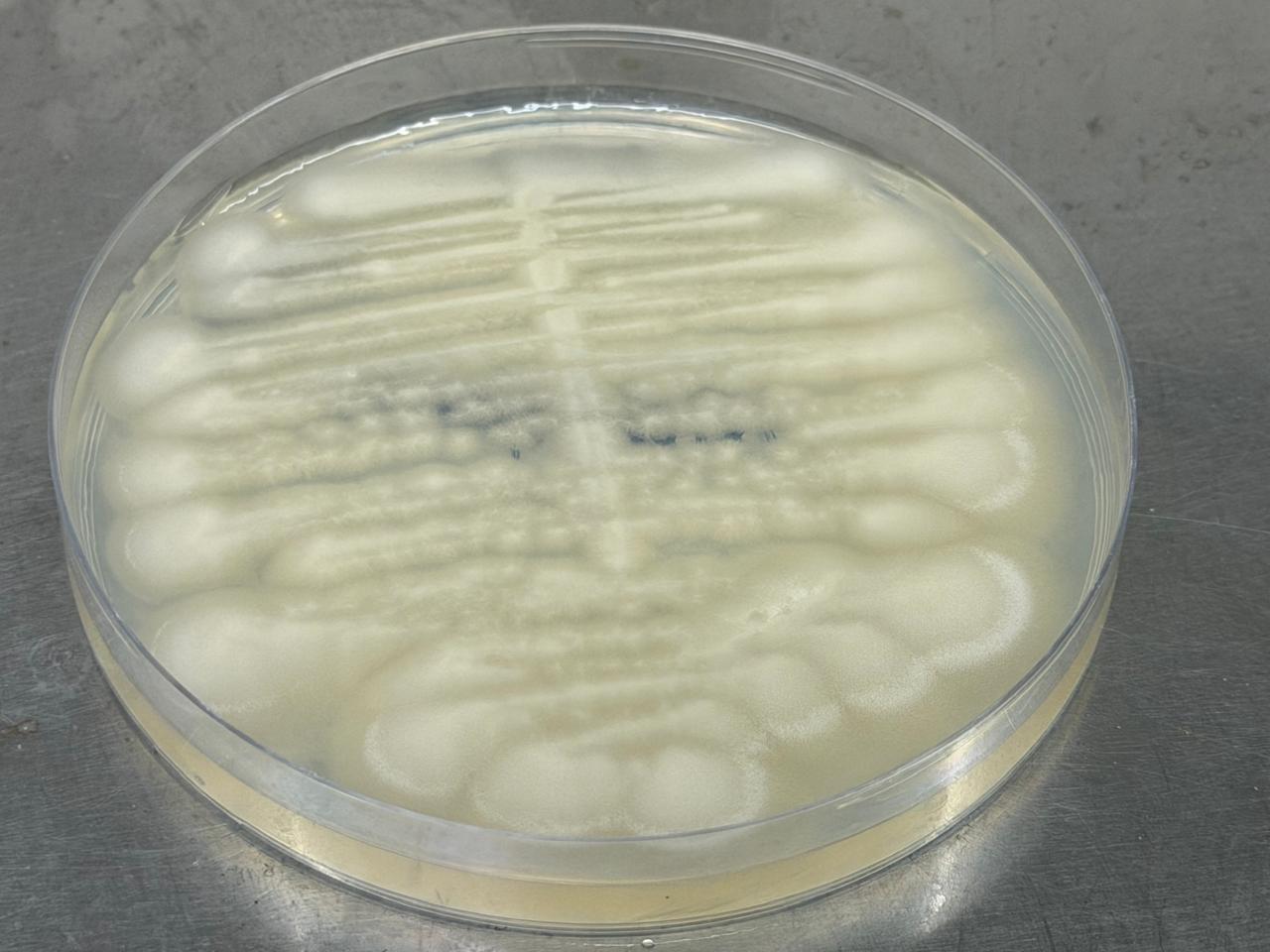
Trichosporon colony morphology on potato dextrose agar (PDA) of clinical specimen culture

Introduction Trichosporon is a genus of yeast-like fungi that belongs to the phylum Basidiomycota. It is commonly found in the environment, especially in soil, water, and various organic matter. Trichosporon species can be opportunistic pathogens, and they are known to cause infections in both humans …

Read more