Trichosporon species: Introduction, Morphology, Medically Important Species, Pathogenicity, Lab Diagnosis, Treatment, Prevention, and Keynotes
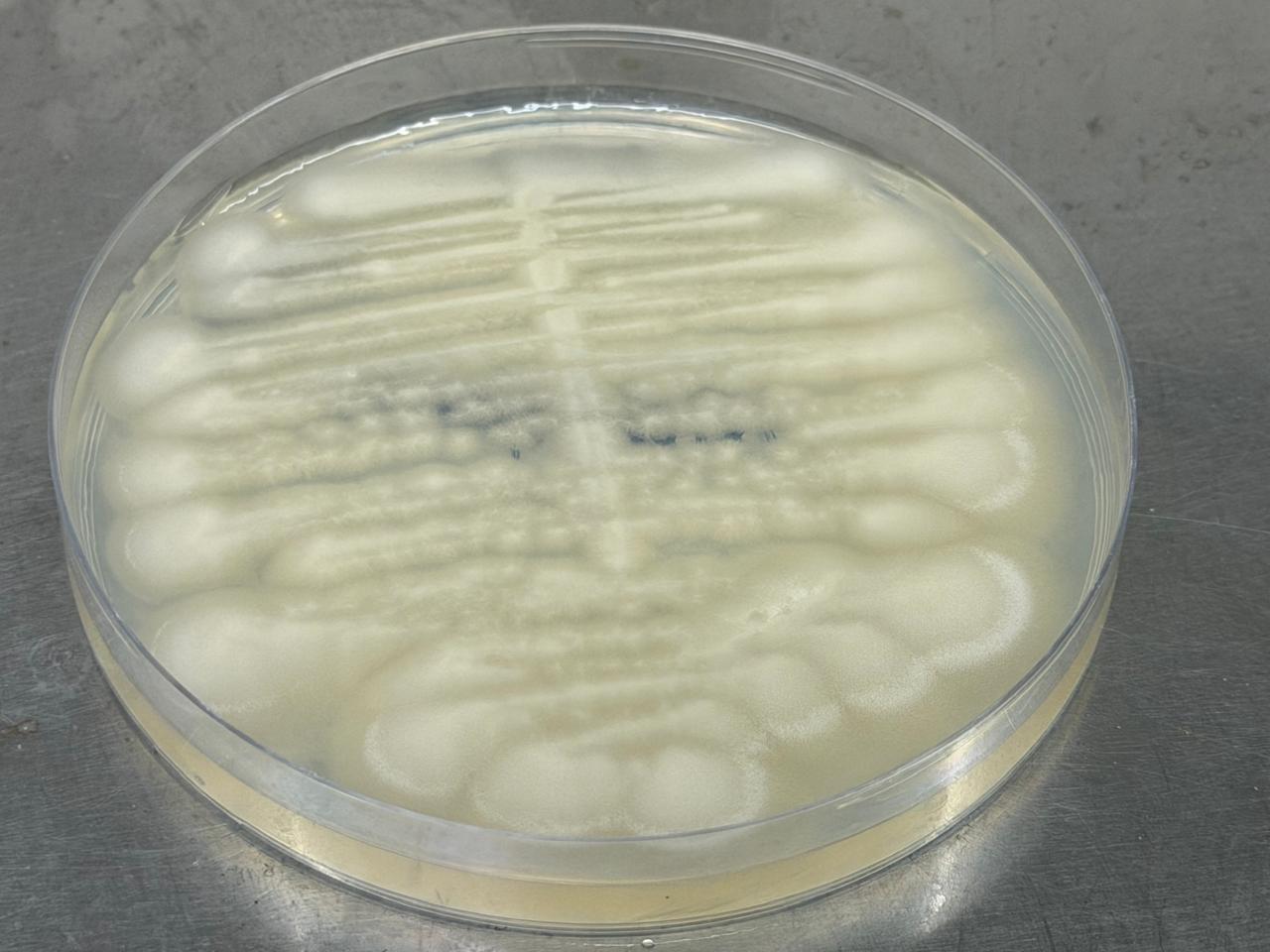
A plastic petri dish containing a light-yellowish, finely wrinkled (cerebriform) and dry Trichosporon microbial culture with a flat, mealy (farinose) covering on PDA agar

Introduction Trichosporon is a genus of anamorphic, yeast-like basidiomycetous fungi widely distributed in nature, particularly in tropical and temperate regions. First identified by Beigel in 1865, it commonly exists as a saprophytic organism in soil, water, plants, and animal droppings. In humans, it is a …

Read more

Proteus hauseri-Introduction, Morphology, Pathogenicity, Lab Diagnosis, Treatment, Prevention, and Keynotes

Proteus hauseri colony morphology on MacConkey agar of urine culture

Introduction Proteus hauseri is a Gram-negative, facultatively anaerobic bacillus in the Enterobacteriaceae family. It is closely related to other Proteus species and commonly found in soil, water, and the human gastrointestinal tract. Though less prevalent than P. mirabilis, P. hauseri can cause opportunistic infections—especially in …

Read more

Klebsiella ozaenae : Introduction, Morphology, Pathogenicity, Lab Diagnosis, Treatment, Prevention, and Keynotes

Klebsiella ozaenae colony morphology on CLED agar

Introduction of Klebsiella ozaenae Klebsiella pneumoniae subspecies ozaenae (Klebsiella ozaenae) is a Gram-negative bacterium (GNB), primarily associated with atrophic rhinitis (ozena), a chronic condition of the nasal cavity characterized by tissue thinning and unpleasant odor. It is also known as a normal inhabitant of the oral and …

Read more