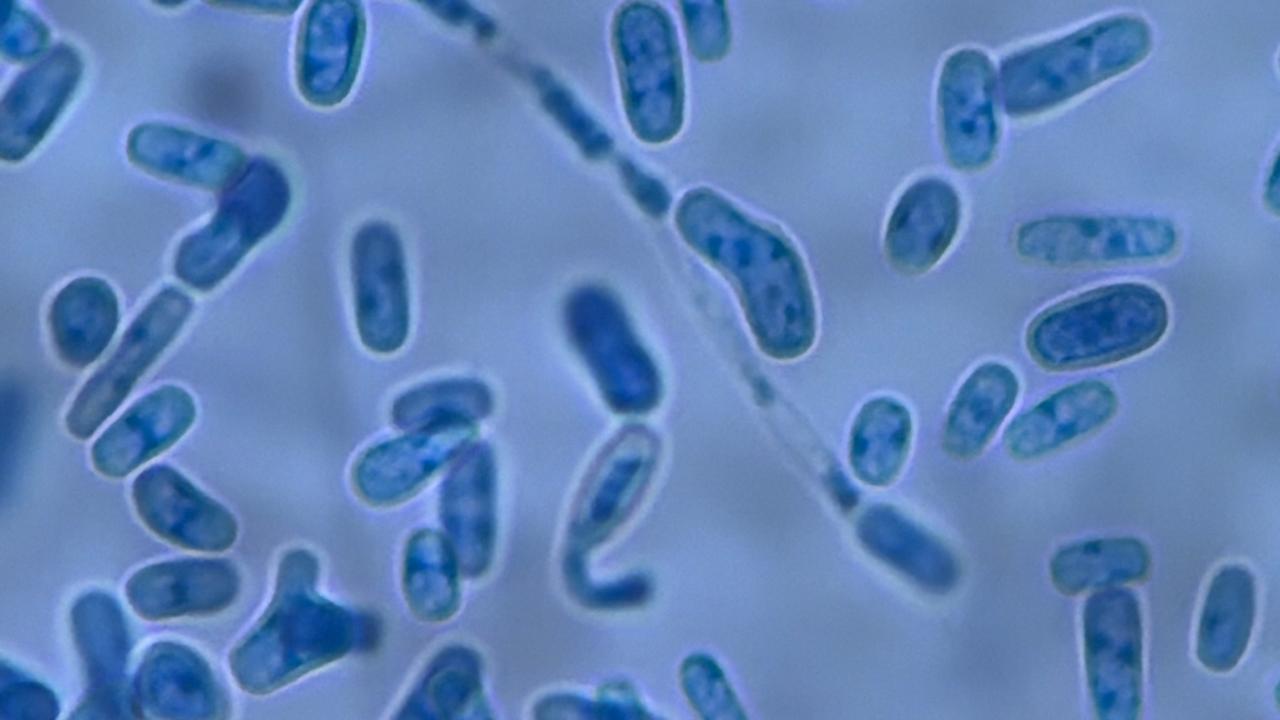
Trichosporon species: Introduction, Morphology, Medically Important Species, Pathogenicity, Lab Diagnosis, Treatment, Prevention, and Keynotes

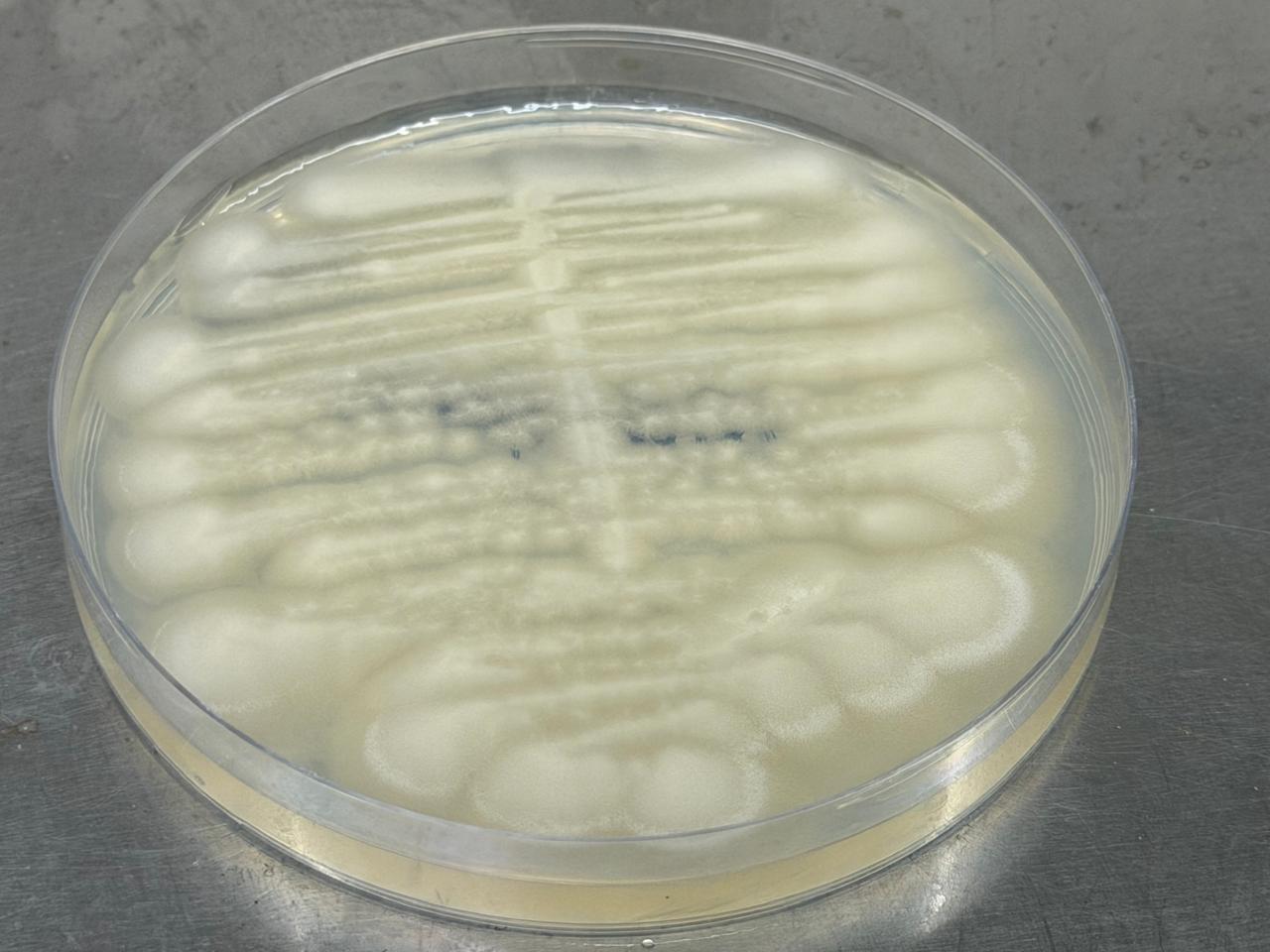
A plastic petri dish containing a light-yellowish, finely wrinkled (cerebriform) and dry Trichosporon microbial culture with a flat, mealy (farinose) covering on PDA agar

Introduction Trichosporon is a genus of anamorphic, yeast-like basidiomycetous fungi widely distributed in nature, particularly in tropical and temperate regions. First identified by Beigel in 1865, it commonly exists as a saprophytic organism in soil, water, plants, and animal droppings. In humans, it is a …

Read more

Saprochaete capitata:Introduction, Morphology, Pathogenicity, Lab Diagnosis, Treatment, Prevention, and Keynotes

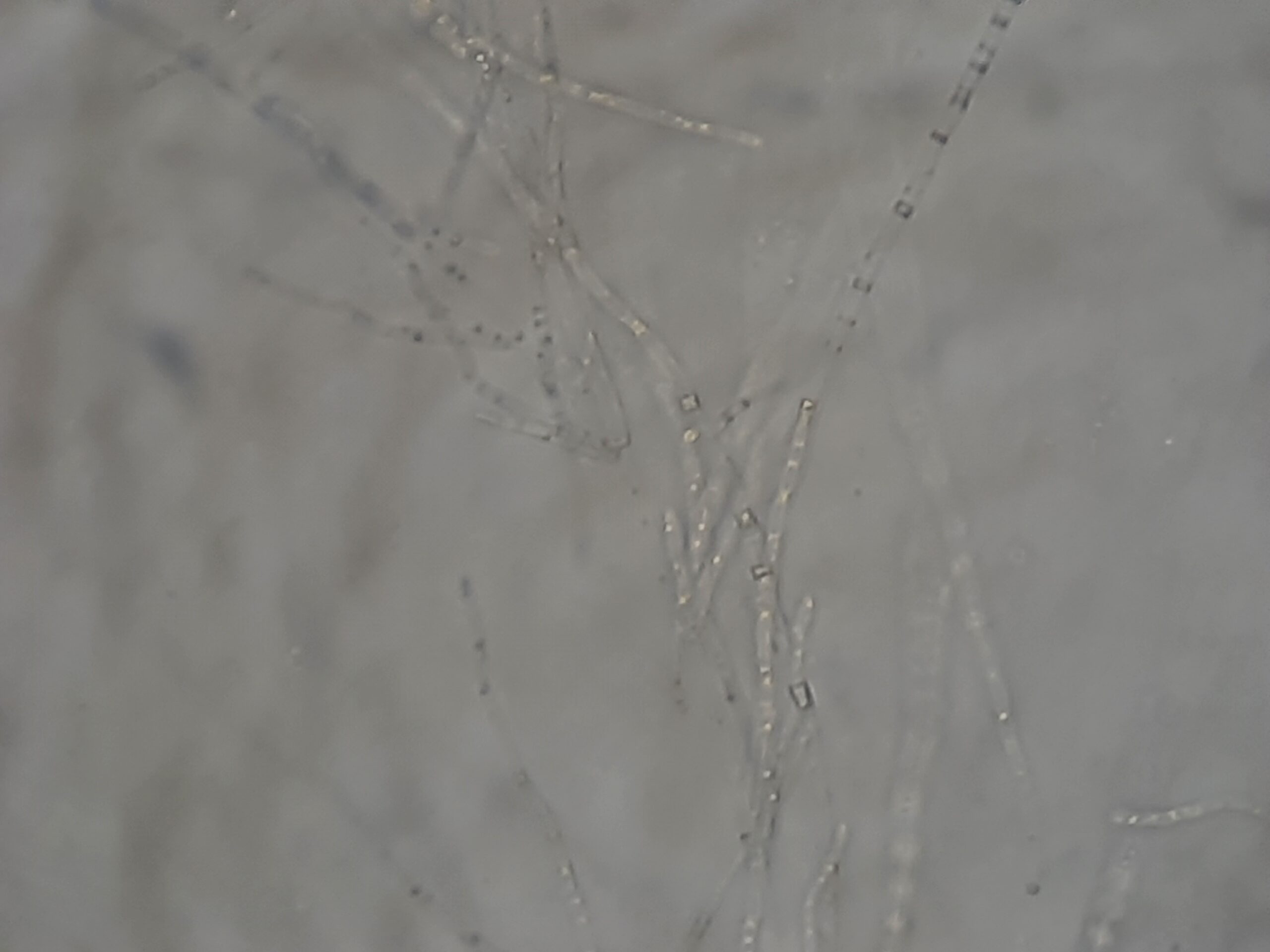
Saprochaete capitata in Dalmau plate technique microscopic footage

Introduction Saprochaete capitata is an emerging opportunistic fungal pathogen that causes severe, frequently fatal systemic infections in profoundly immunocompromised individuals. It is notorious for its intrinsic resistance to echinocandins and high resistance to fluconazole, which often results in breakthrough fungemia during standard empirical antifungal therapy. …

Read more

Candida albicans-Introduction, Morphology, Pathogenicity, Lab Diagnosis, Treatment, Prevention, and Keynotes

Yeast cells, budding yeasts, and pseudohyphae in KOH mount of sputum microscopic examination

Introduction Candida albicans is a common fungal pathogen in humans. It inhabits mucosal surfaces naturally and colonizes the gastrointestinal tract and genitourinary system frequently. The organism causes infections in both healthy and immunocompromised individuals and adapts quickly to environmental changes within the host. Clinicians report …

Read more