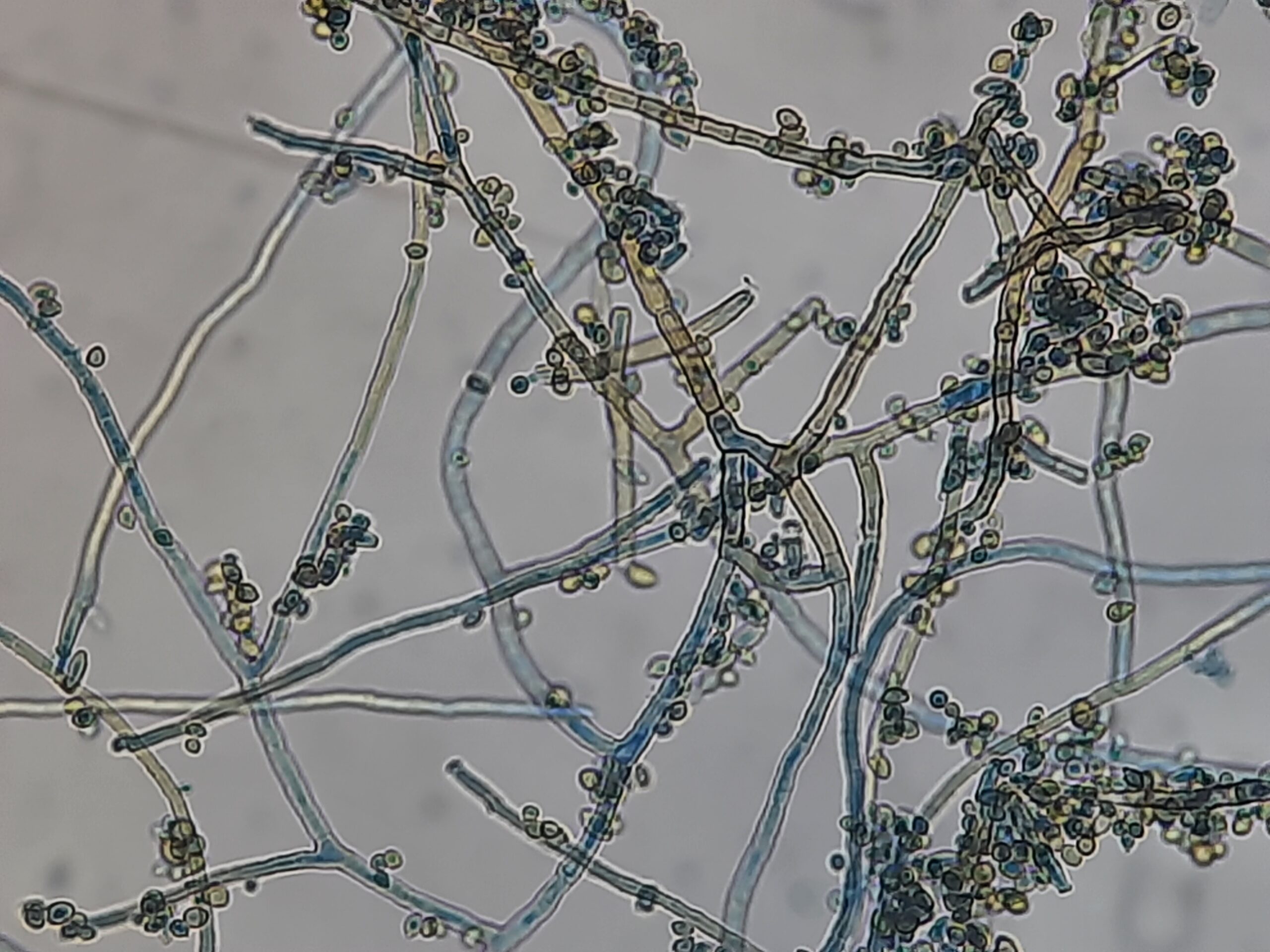
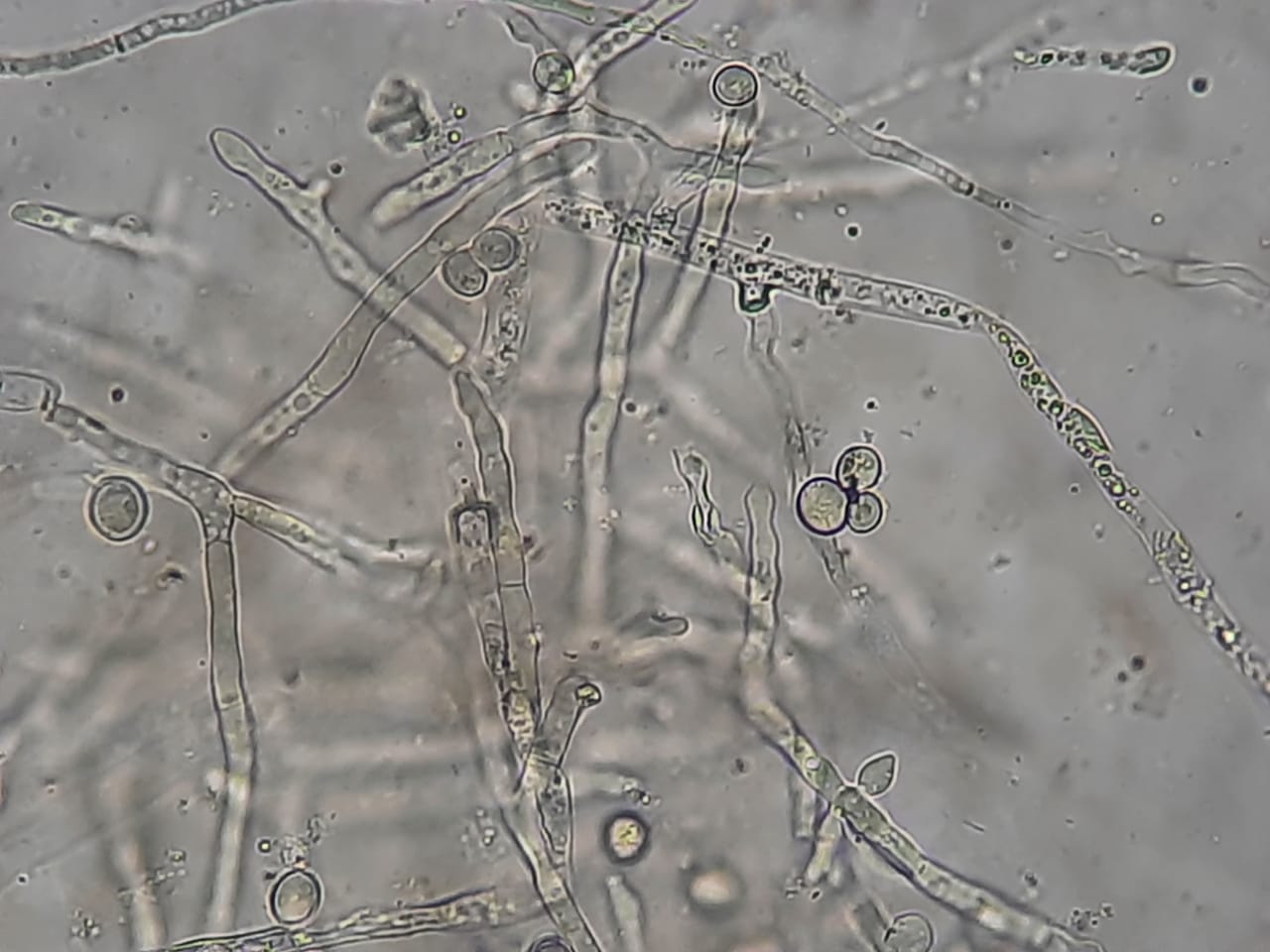
Fungal Elements in KOH Mount of Pleural Fluid Microscopy-Introduction, Possible Fungi Observed in Pleural Fluid KOH Mount, Applications, and Keynotes

Fungal Elements in KOH Mount of Pleural Fluid Microscopy-Introduction, Possible Fungi Observed in Pleural Fluid KOH Mount, Applications, and Keynotes

Introduction KOH Mount of Pleural Fluid is a rapid, direct microscopic test used to detect fungal elements in suspected pleural infections. A 10–20% Potassium Hydroxide (KOH) solution clears cellular debris, fibrin, and protein content in pleural fluid while preserving chitin-rich fungal structures such as hyphae, …

Read more

Fungal Elements in KOH Mount of Bile Microscopy-Introduction, Fungal Elements Observed in Bile KOH Mount, Applications, and Keynotes

Bile sample before centrifugation for KOH mount and fungal culture

Introduction KOH Mount of Bile is a direct microscopic examination technique used to detect fungal elements in bile fluid collected during ERCP, biliary drainage, cholecystectomy, or liver procedures.Because bile contains mucus, epithelial debris, fats, and pigments, a 10–20% Potassium Hydroxide (KOH) solution is used to …

Read more

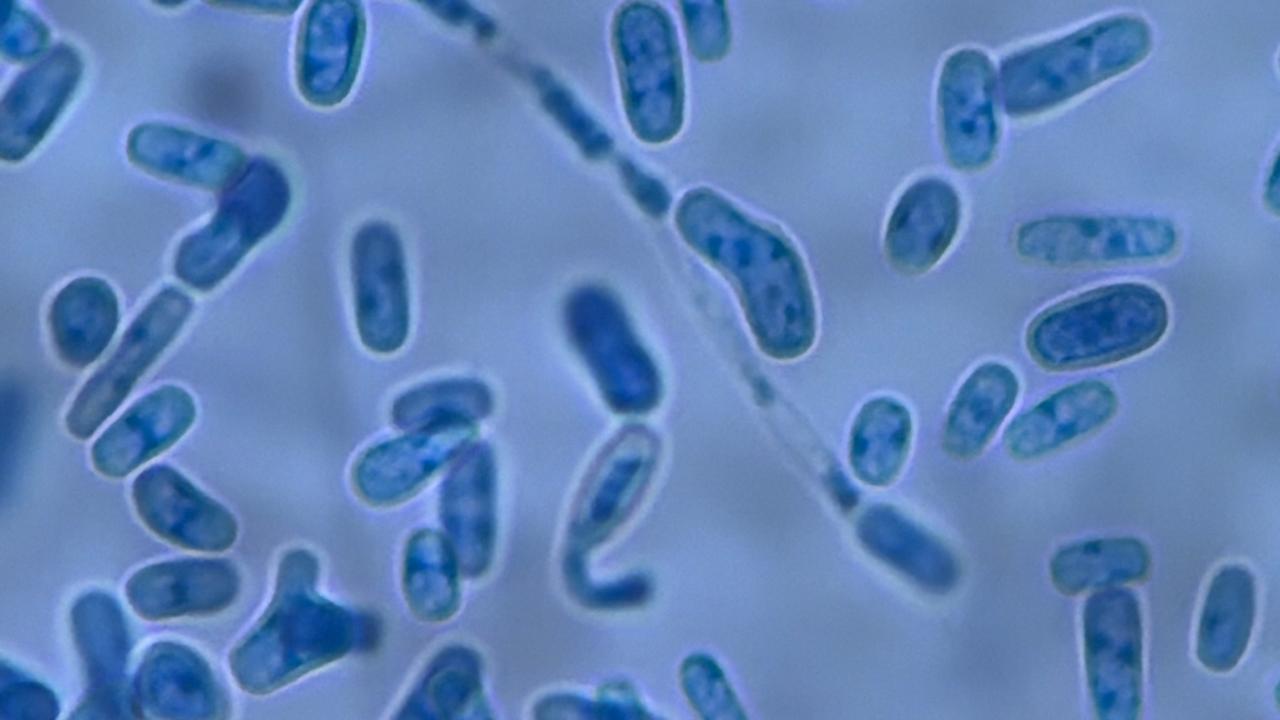
Fungal Elements in KOH Mount of Sputum Microscopy-Introduction, Fungal Elements Observed in Sputum KOH Mount, Applications, and Keynotes

Fungal Elements in KOH Mount of Sputum Microscopy at a magnification of 1600X

Introduction KOH mount of sputum is a rapid, direct microscopic technique used to detect fungal elements in the respiratory tract. A 10–20% Potassium Hydroxide (KOH) solution digests mucus, epithelial cells, and debris in sputum, while preserving the chitin-rich fungal cell walls, making them appear clear, …

Read more

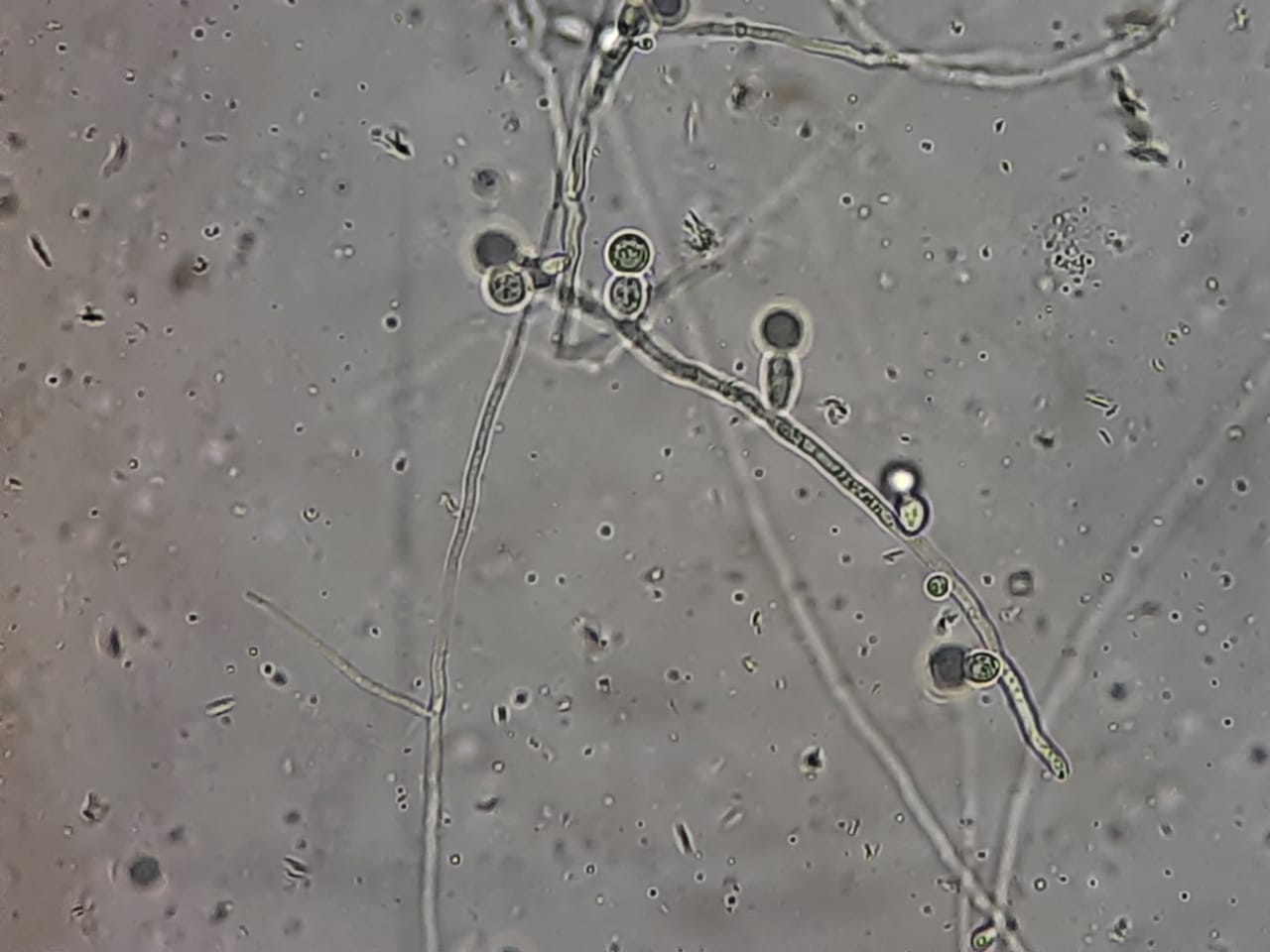
Fungal Elements in KOH Mount of BAL (Bronchoalveolar Lavage) Microscopy- Introduction, Fungal Elements Observed in BAL KOH Mount, Applications, and Keynotes

Fungal Elements in wet mount of culture of BAL specimen

Introduction KOH mount (Potassium Hydroxide preparation) is a rapid, simple, and cost-effective microscopic technique used to detect fungal elements directly in clinical specimens.When applied to Bronchoalveolar Lavage (BAL) samples, it is an essential diagnostic tool for identifying pulmonary fungal infections, especially in the ICU, oncology, …

Read more

Bacteria and Fungi: Introduction, Description, Demonstration Techniques, Differences, and Keynotes

Bacteria and Fungi Introduction, Description, Demonstration Techniques, Differences, and Keynotes

Introduction of Bacteria and Fungi They are distinct types of microorganisms with different structures and characteristics. Bacteria are single-celled prokaryotes, while fungi can be single-celled (yeasts) or multicelled (molds, mushrooms) eukaryotes. They can be distinguished by their cell structure, colony morphology, and staining properties.  Description 1. Cell …

Read more

Candida-Antibody Testing-Introduction, Principle, Purpose, Types of antibody tests, Limitation, and More

Candida albicans growth on Biphasic medium (BHI agar and broth)-right (turbid)- No growth on left (clear)

Introduction Candida antibody testing measures immunoglobulins (IgG, IgA, and IgM) antibodies in the blood to help detect current or past Candida infections. These antibodies are produced in response to the presence of Candida in the body, assisting the immune system in fighting off the fungus. Principle Purpose …

Read more

Cladosporium: Introduction, Morphology, Pathogenicity, Lab Diagnosis, Treatment, Prevention, and Keynotes

Introduction Cladosporium is a genus of fungi that belongs to the phylum Ascomycota. It is a diverse and widespread group of molds that can be found in various environments, including soil, plants, decaying organic matter, and indoor spaces. Cladosporium species (they) are known for their …

Read more

Penicillium: Introduction, Morphology, Pathogenicity, Lab Diagnosis, Treatment, Prevention, and Keynotes

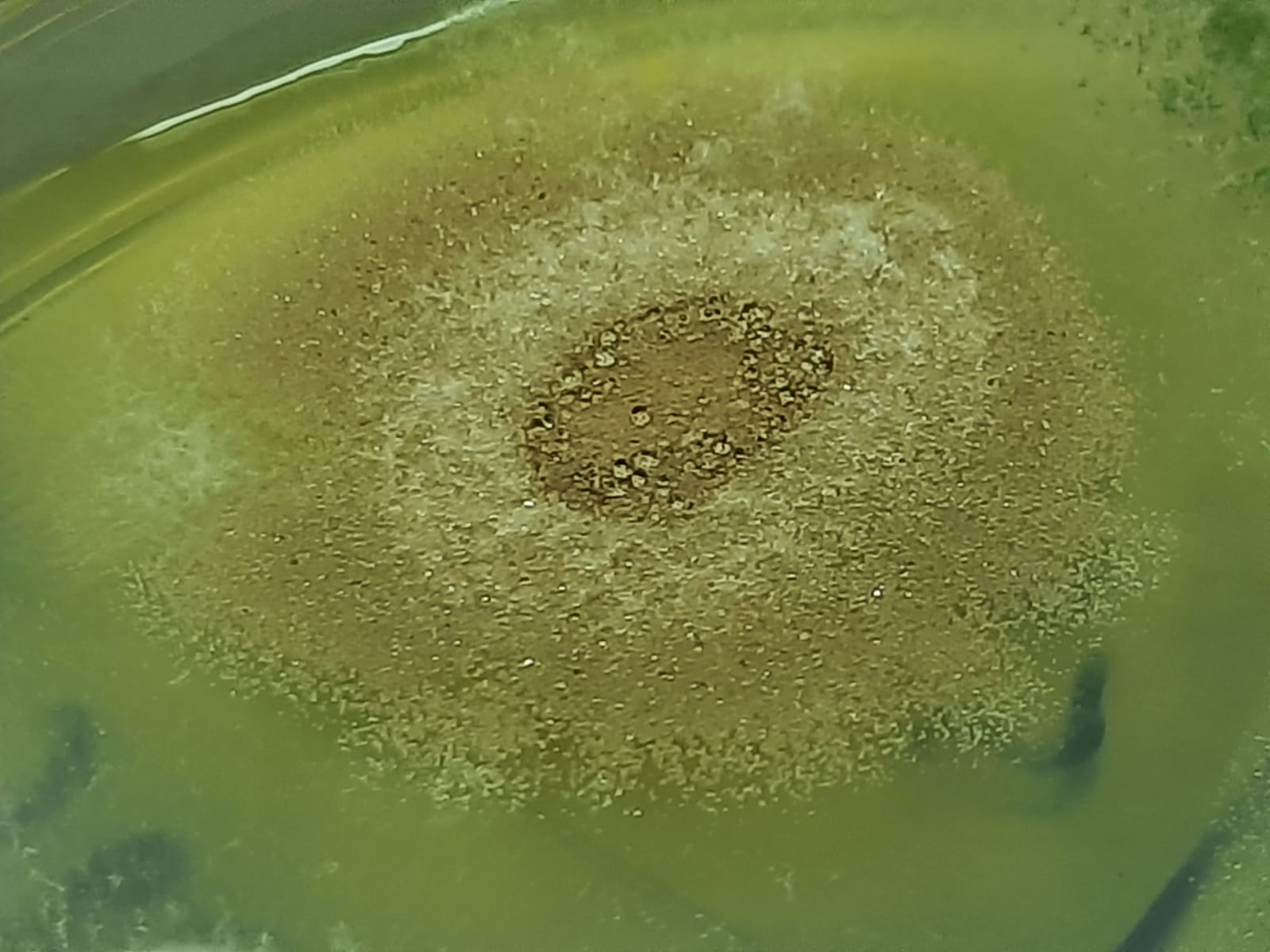
Penicillium colony morphology on fungal culture medium

Introductio Penicillium is a genus of mold that belongs to the family Aspergillaceae within the fungal kingdom. It is one of the most important and well-known groups of fungi, particularly due to its significant impact on medicine, industry, and food production. The name “Penicillium” originates …

Read more