Bacteria and Fungi: Introduction, Description, Demonstration Techniques, Differences, and Keynotes

Bacteria and Fungi Introduction, Description, Demonstration Techniques, Differences, and Keynotes

Introduction of Bacteria and Fungi They are distinct types of microorganisms with different structures and characteristics. Bacteria are single-celled prokaryotes, while fungi can be single-celled (yeasts) or multicelled (molds, mushrooms) eukaryotes. They can be distinguished by their cell structure, colony morphology, and staining properties.  Description 1. Cell …

Read more

Candida-Antibody Testing-Introduction, Principle, Purpose, Types of antibody tests, Limitation, and More

Candida albicans growth on Biphasic medium (BHI agar and broth)-right (turbid)- No growth on left (clear)

Introduction Candida antibody testing measures immunoglobulins (IgG, IgA, and IgM) antibodies in the blood to help detect current or past Candida infections. These antibodies are produced in response to the presence of Candida in the body, assisting the immune system in fighting off the fungus. Principle Purpose …

Read more

Cladosporium: Introduction, Morphology, Pathogenicity, Lab Diagnosis, Treatment, Prevention, and Keynotes

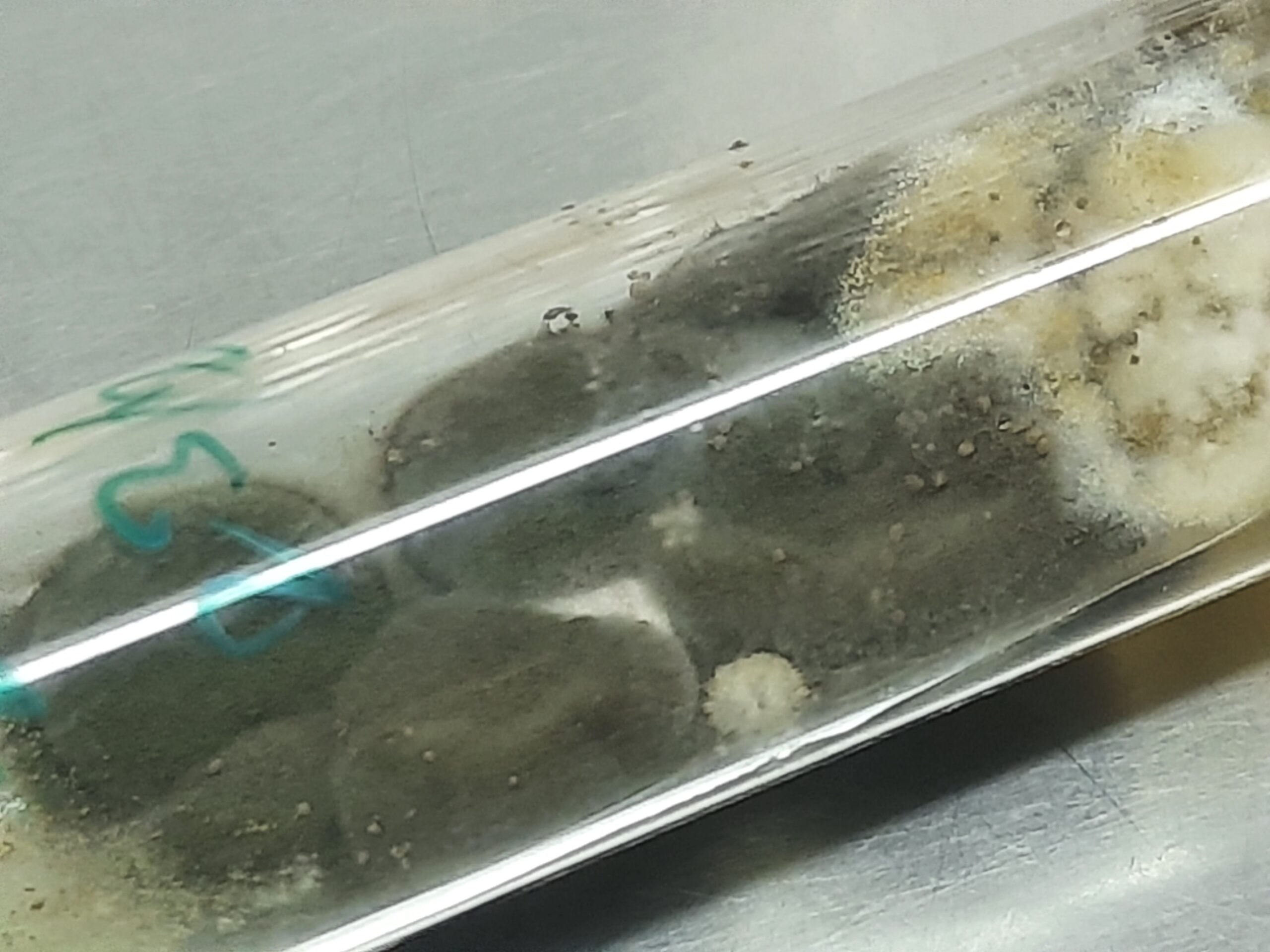
Cladosporium on Sabouraud Dextrose Agar (SDA) forms velvety, olive-green to blackish-green colonies with a dark reverse

Introduction Cladosporium is a genus of fungi that belongs to the phylum Ascomycota. It is a diverse and widespread group of molds that can be found in various environments, including soil, plants, decaying organic matter, and indoor spaces. Cladosporium species are known for their ability …

Read more

Mucor: Introduction, Morphology, Pathogenicity, Lab Diagnosis, Treatment, Prevention, and Keynotes

Sporangium, sporangiophore, hyphae and mycelium of Mucor in LPCB tease mount of young culture

Introduction Mucor is a genus of fungi belonging to the family Mucoraceae within the phylum Zygomycota. These fungi are commonly known as mold and are ubiquitous in the environment, found in soil, decaying organic matter, and on various surfaces. Mucor species play essential roles in …

Read more

Penicillium: Introduction, Morphology, Pathogenicity, Lab Diagnosis, Treatment, Prevention, and Keynotes

Penicillium colony morphology on fungal culture medium

Introduction Penicillium is a genus of mold that belongs to the family Aspergillaceae within the fungal kingdom. It is one of the most important and well-known groups of fungi, particularly due to its significant impact on medicine, industry, and food production. The name “Penicillium” originates …

Read more

Mycology: Introduction, Structure, Classification of Medically Important Fungi, Fungal Infection, Prevention, and Control of Fungal Infections

Mycology: Introduction, Structure, Classification of Medically Important Fungi, Fungal Infection, Prevention, and Control of Fungal Infections

Introduction of Mycology Mycology is the science that deals with the study of fungi whereas medical mycology is the science that deals with the study of fungi that causes disease is called medical mycology. General Features- Yeast Unicellular formSize-Width: 1-5 µmLength: 5-30 µmShape-Commonly oval shape …

Read more

Yeasts and Molds: Introduction, Differences, and Yeasts and Molds Footage

Yeasts and Molds: Introduction, Differences, and Yeasts and Molds Footages

Introduction of Yeasts and Molds Yeasts are small round or oval in shape, eukaryotic, single-celled microbes classified as members of the fungus kingdom. The first yeast emerged hundreds of millions of years ago, and at least 1,500 species are presently recognized. They are estimated to …

Read more