Mycotoxin Detection-Introduction, Detection Methods, and Keynotes

Mycotoxin Detection-Introduction, Detection Methods, and Keynotes

Introduction Mycotoxin detection involves identifying and quantifying these toxic fungal metabolites in various materials, commonly using chromatographic techniques like HPLC and GC, as well as immunological methods like ELISA and biosensors.  Various detection methods: 1. Chromatographic Techniques: 2. Immunological Techniques: 3. Other Methods: Keynotes Further Readings

Aspergillus flavus: Introduction, Morphology, Pathogenicity, Lab Diagnosis, Treatment, Prevention, and Keynotes
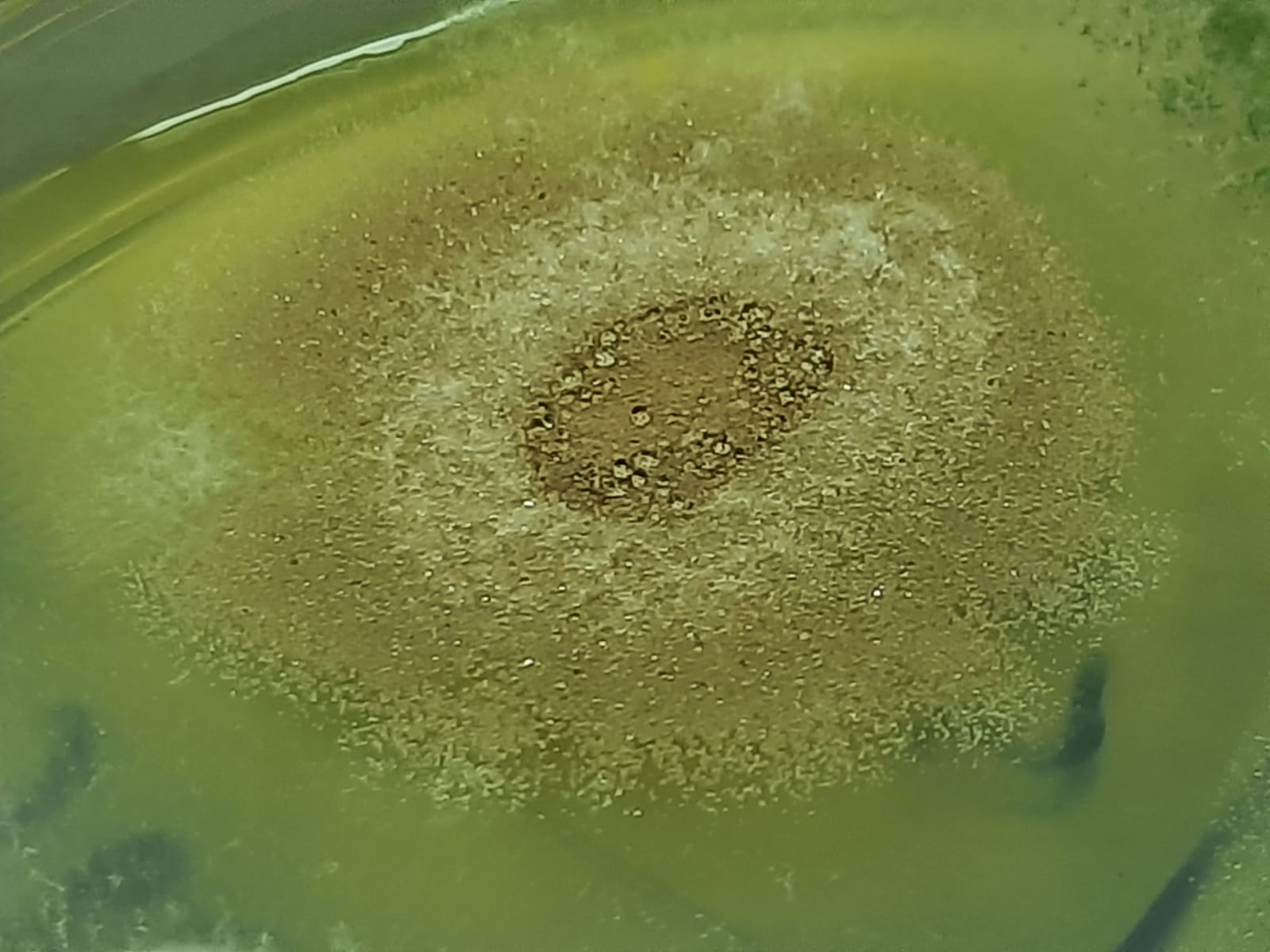
Aspergillus flavus colony morphology on Czapek Dox Agar plate

Introduction Aspergillus flavus is a filamentous fungus belonging to the Aspergillus genus, which comprises a wide variety of mold species. This particular species is commonly found in the environment and is known for its economic and medical significance. It is commonly associated with food and …

Read more

Penicillium: Introduction, Morphology, Pathogenicity, Lab Diagnosis, Treatment, Prevention, and Keynotes

Penicillium colony morphology on fungal culture medium

Introductio Penicillium is a genus of mold that belongs to the family Aspergillaceae within the fungal kingdom. It is one of the most important and well-known groups of fungi, particularly due to its significant impact on medicine, industry, and food production. The name “Penicillium” originates …

Read more

Acremonium: Introduction, Morphology, Pathogenicity, Lab Diagnosis, Treatment, Prevention, and Keynotes

Acremonium colony characteristics on Sabouraud dextrose agar of clinical specimen, ear discharge

Introduction Acremonium is a genus of fungi that belongs to the family Hypocreaceae within the order Hypocreales. It is a diverse group of molds commonly found in soil, plant material, and decaying organic matter. They are ubiquitous in nature and can be found in various …

Read more