Alcaligenes faecalis: Introduction, Morphology, Pathogenicity, Lab Diagnosis, Treatment, Prevention, and Keynotes

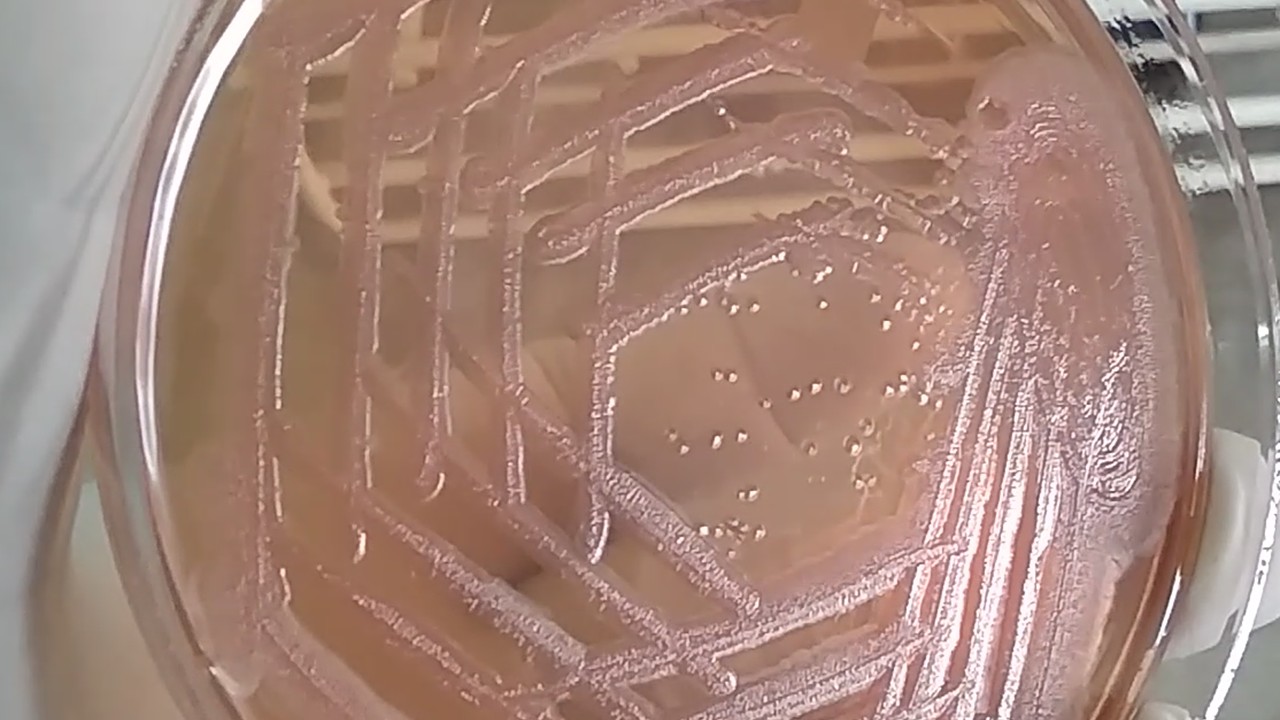
Alcaligenes faecalis growth on MacConkey agar

Introduction Alcaligenes faecalis is a Gram-negative, aerobic, rod-shaped bacterium primarily found in water and soil, but also as a commensal in the human intestinal tract. While it is generally nonpathogenic, it is a significant opportunistic pathogen, particularly in hospital settings where it thrives in moist …

Read more

Aspergillus terreus: Introduction, Morphology, Pathogenicity, Lab Diagnosis, Treatment, Prevention, and Keynotes

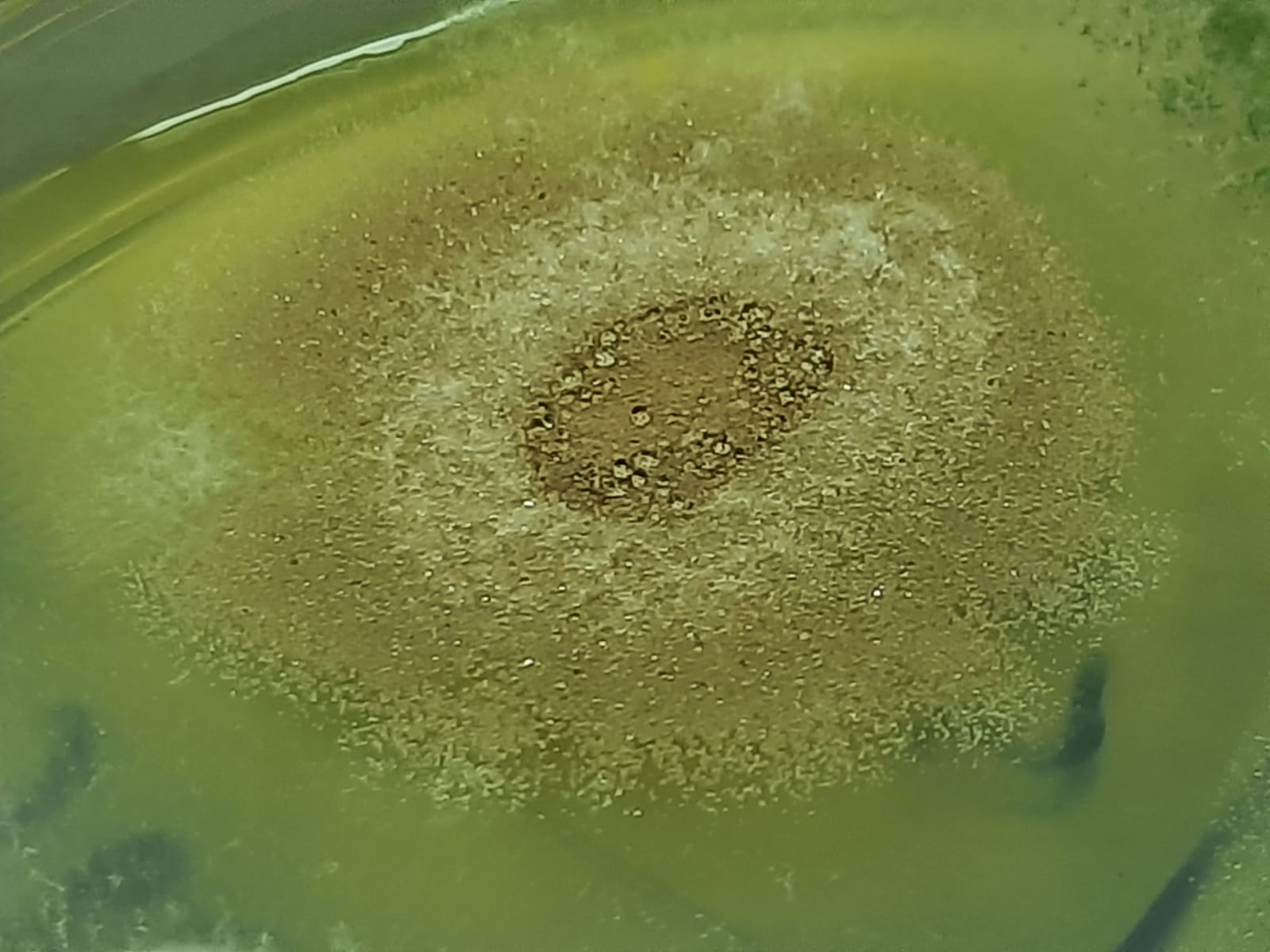
Colony morphology of Aspergillus terreus on Corn Meal Agar (CMA) showing a characteristic cinnamon-brown to sandy-beige pigmentation with a velvety, granular texture and a light-colored peripheral growth zone

Introduction & Taxonomy Aspergillus terreus is a filamentous fungus increasingly recognized as a significant emerging opportunistic pathogen. It is uniquely distinguished from other common species by its intrinsic resistance to amphotericin B, its characteristic cinnamon-brown colony color, and the production of specialized spores called aleurioconidia. …

Read more

Mycobacterium fortuitum : Introduction, Morphology, Pathogenicity, Lab Diagnosis, Treatment, Prevention, and Keynotes

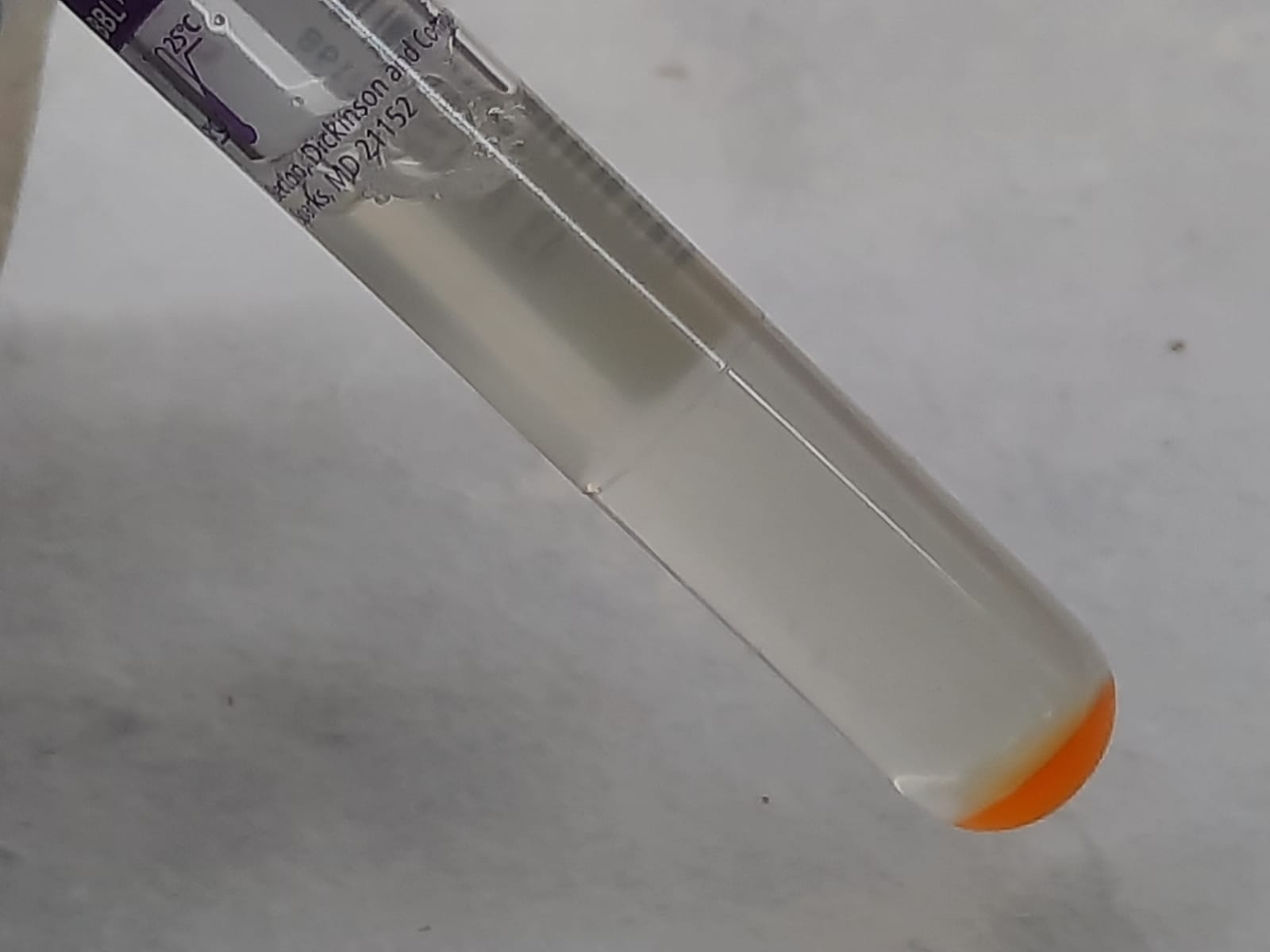
Mycobacterium fortuitum growth on modified Middlebrook 7H9 broth with PANTA supplement after 3 days of incubation

Introduction Mycobacterium fortuitum is a rapidly growing, nontuberculous mycobacterium (NTM). It is found ubiquitously in the environment, primarily associated with skin, soft tissue, and post-surgical wound infections. As an opportunistic pathogen that is known for its ability to grow within 7 days, it often causes infections …

Read more

Penicillium cheresanum: Introduction, Morphology, Pathogenicity, Lab Diagnosis, Treatment, Prevention, and Keynotes

Penicillium cheresanum: Introduction, Morphology, Pathogenicity, Lab Diagnosis, Treatment, Prevention, and Keynotes

Introduction Penicillium cheresanum is a species of mold belonging to the genus Penicillium, commonly found in soil and decaying organic matter. Moreover, it thrives in a variety of environments, demonstrating its adaptability to different ecological conditions. In addition, this mold is known for producing secondary …

Read more

Nocardia – Introduction, Morphology, Pathogenicity, Lab Diagnosis, Treatment, Prevention, and Keynotes

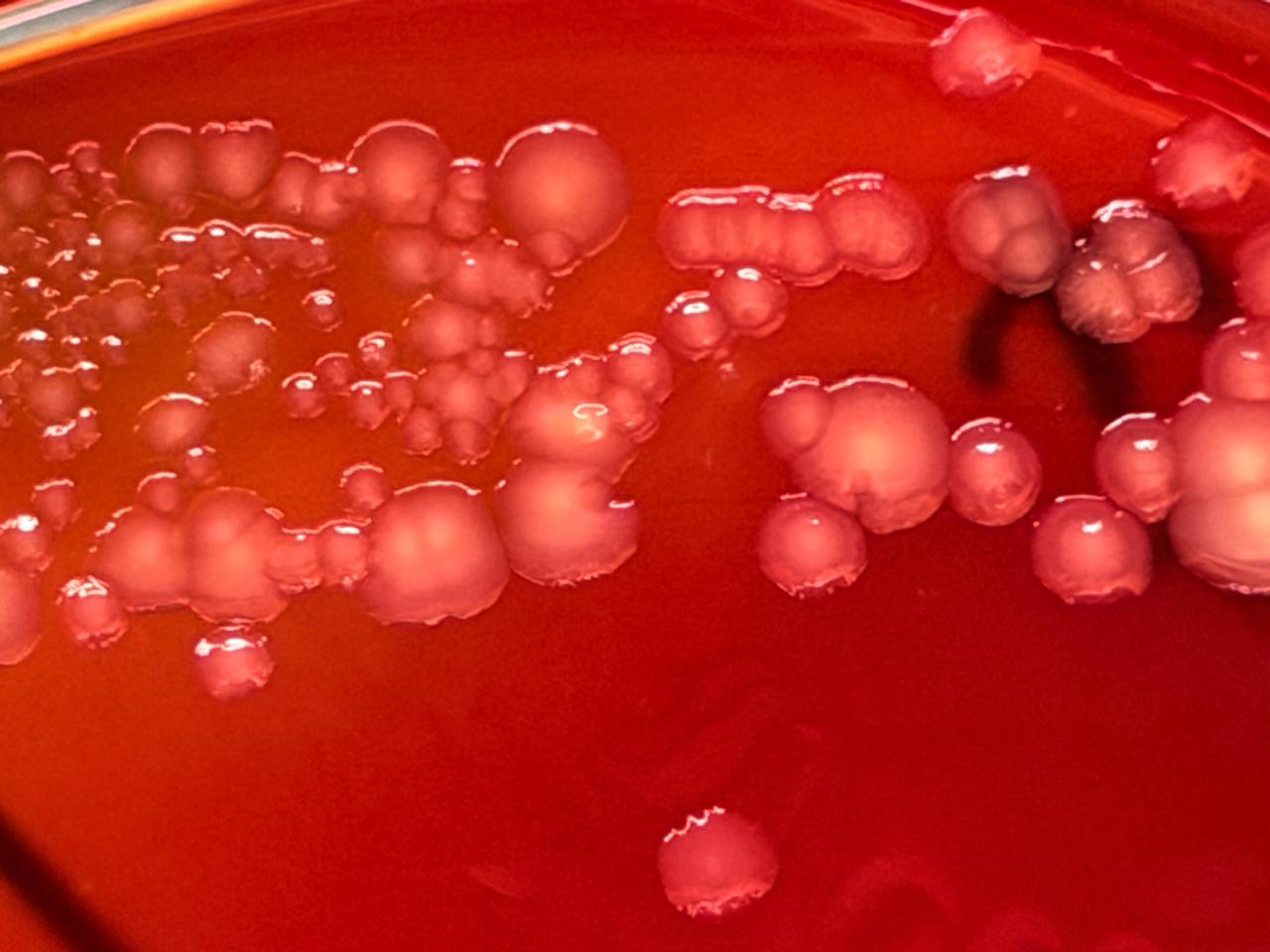
Nocardia species slow-growing, chalky white to tan, dry, and adherent colonies on blood agar

Introduction Nocardia is a genus of aerobic, gram-positive bacteria. It belongs to the actinomycetes group. These bacteria are partially acid-fast due to mycolic acid in their cell walls. They commonly appear as branching filamentous rods. Nocardia species are found in soil and water. They can …

Read more