Acinetobacter haemolyticus-Introduction, Morphology, Pathogenicity, Lab Diagnosis, Treatment, Prevention, and Keynotes
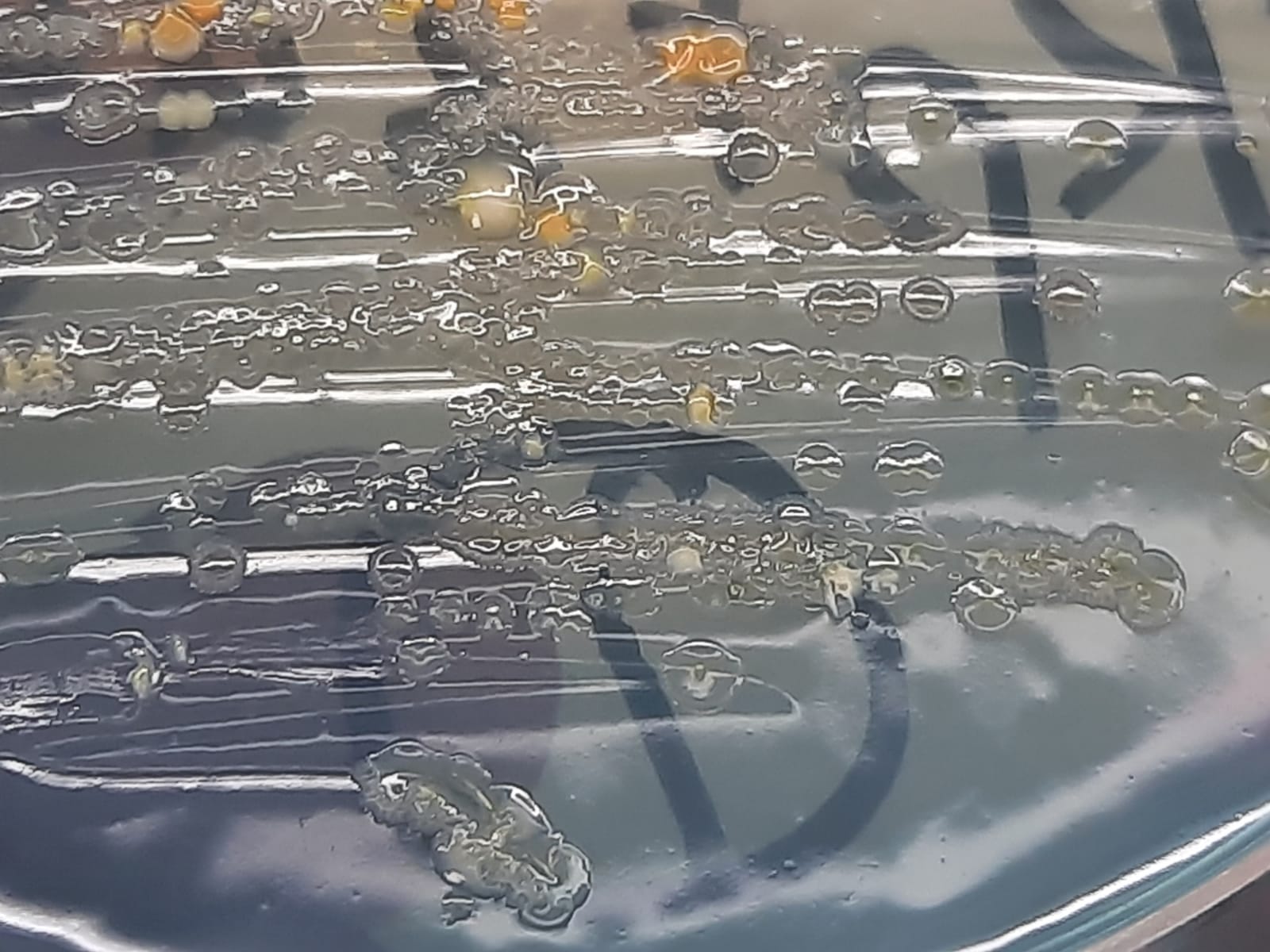
Acinetobacter haemolyticus growth on CLED agar

Introduction Acinetobacter haemolyticus is an aerobic, non-fermenting bacterium found in nature and hospital environments. It belongs to the Acinetobacter genus, frequently causing healthcare-associated infections. It is generally considered less virulent than Acinetobacter baumannii but is increasingly recognized in human infections.  Morphology Pathogenicity Lab Diagnosis Treatment Prevention Keynotes Further Readings
Rothia kristinae: Introduction, Pathogenicity, Lab Diagnosis, Treatment, Prevention, and Keynotes

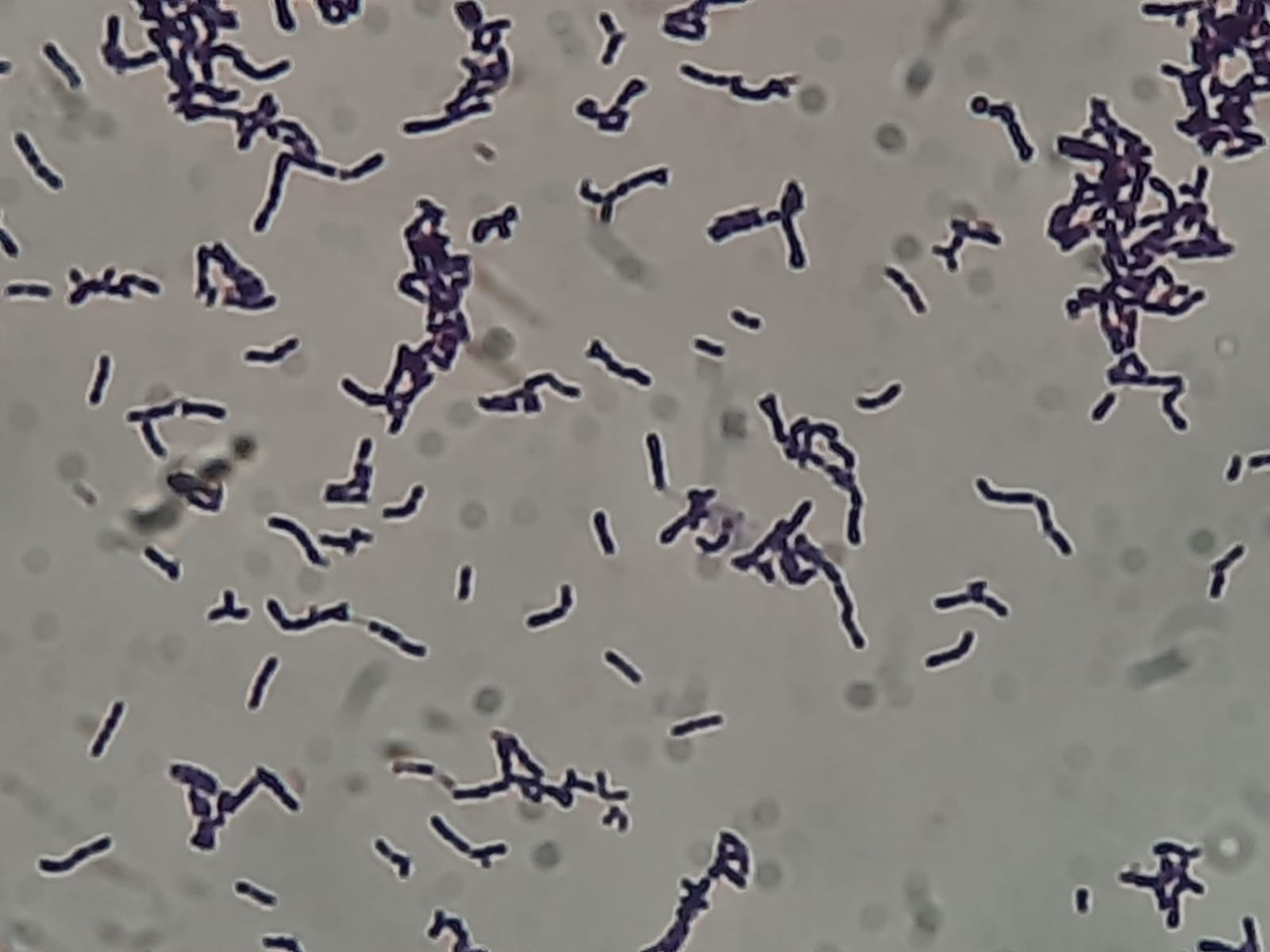
R. kristinae in Gram-stained culture microscopy shows irregular, pleomorphic Gram-positive bacilli, ranging from short rods to e

Introduction Pathogenicity While typically considered a low-grade commensal, it causes serious infections primarily in immunocompromised patients or those with indwelling medical devices.  Lab Diagnosis Treatment There are no official clinical breakpoints, so treatment is often guided by expert consultation and raw Minimum Inhibitory Concentration (MIC) values.  Prevention Keynotes …

Read more

Bacteria and Fungi: Introduction, Description, Demonstration Techniques, Differences, and Keynotes

Bacteria and Fungi Introduction, Description, Demonstration Techniques, Differences, and Keynotes

Introduction of Bacteria and Fungi They are distinct types of microorganisms with different structures and characteristics. Bacteria are single-celled prokaryotes, while fungi can be single-celled (yeasts) or multicelled (molds, mushrooms) eukaryotes. They can be distinguished by their cell structure, colony morphology, and staining properties.  Description 1. Cell …

Read more

Nocardia – Introduction, Morphology, Pathogenicity, Lab Diagnosis, Treatment, Prevention, and Keynotes

Nocardia species slow-growing, chalky white to tan, dry, and adherent colonies on blood agar

Introduction Nocardia is a genus of aerobic, gram-positive bacteria. It belongs to the actinomycetes group. These bacteria are partially acid-fast due to mycolic acid in their cell walls. They commonly appear as branching filamentous rods. Nocardia species are found in soil and water. They can …

Read more