Acinetobacter haemolyticus-Introduction, Morphology, Pathogenicity, Lab Diagnosis, Treatment, Prevention, and Keynotes
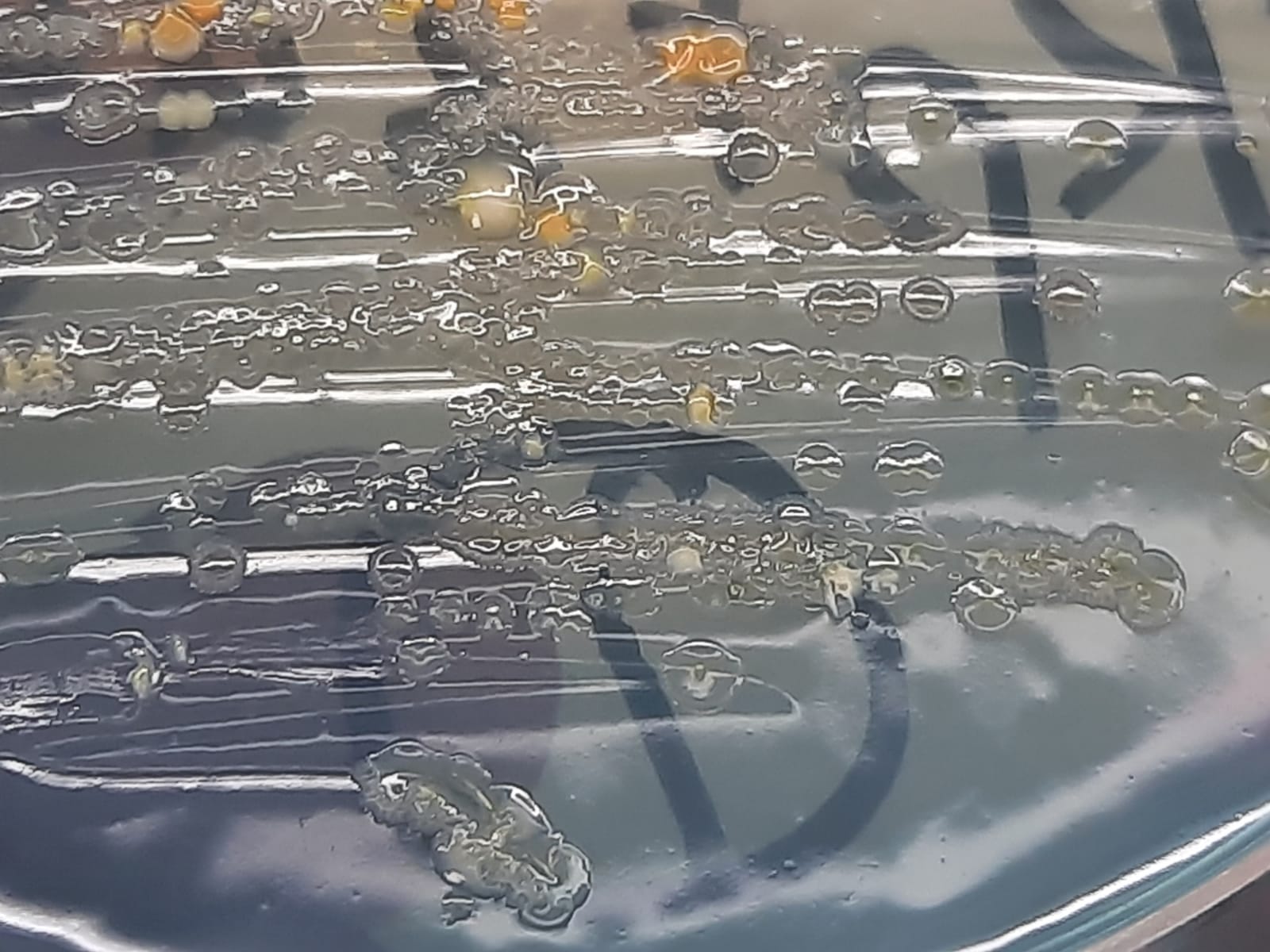
Acinetobacter haemolyticus growth on CLED agar

Introduction Acinetobacter haemolyticus is an aerobic, non-fermenting bacterium found in nature and hospital environments. It belongs to the Acinetobacter genus, frequently causing healthcare-associated infections. It is generally considered less virulent than Acinetobacter baumannii but is increasingly recognized in human infections.  Morphology Pathogenicity Lab Diagnosis Treatment Prevention Keynotes Further Readings

Vancomycin-Resistant Enterococcus faecium (VREfm)-Introduction, Detection Methods, and Keynotes

Vancomycin-Resistant Enterococcus faecium (VREfm) colony morphology on CLED agar-Uropathogen

Introduction of Vancomycin-Resistant Enterococcus faecium (VREfm) Enterococcus faecium is a gram-positive, facultative anaerobic coccus that is part of the normal gastrointestinal flora but can cause nosocomial infections such as bloodstream infections, urinary tract infections, and intra-abdominal abscesses. Vancomycin-resistant Enterococcus faecium (VREfm) is defined as an isolate that harbors van …

Read more

Acinetobacter baumannii-Introduction, Morphology, Pathogenicity, Lab Diagnosis, Treatment, Prevention, and Keynotes

Acinetobacter baumannii in Gram staining of sputum

Introduction Acinetobacter baumannii is a Gram-negative, non-fermenting, aerobic coccobacillus. It is an opportunistic pathogen increasingly associated with nosocomial infections, particularly in critically ill or immunocompromised patients. Notorious for its antibiotic resistance, it has become a major global health concern, particularly in ICU settings. Morphology Pathogenicity …

Read more