Acinetobacter baumannii complex-Introduction, Species in this group, Morphology, Pathogenicity, Lab Diagnosis, Treatment, Prevention, and Keynotes
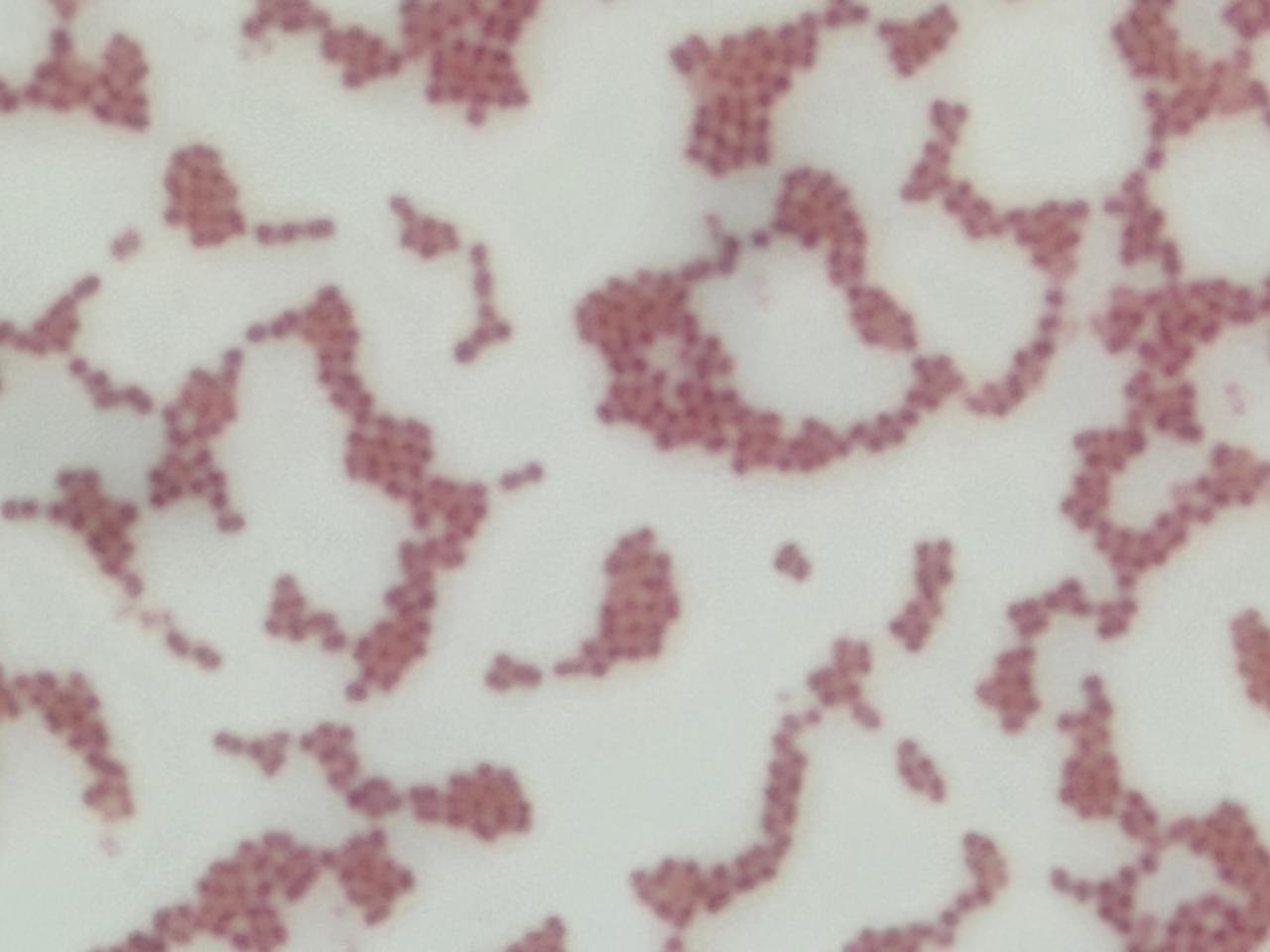
Gram-negative coccobacilli (often in pairs) of Acinetobacter baumannii complex

Introduction The Acinetobacter baumannii complex (ABC) is a group of highly resilient, opportunistic Gram-negative bacteria that pose a critical threat in healthcare settings. Classified as an “ESKAPE” pathogen, it is a leading cause of severe hospital-acquired (nosocomial) infections. The World Health Organization (WHO) categorizes carbapenem-resistant …

Read more

Acinetobacter ursingii: Introduction, Morphology, Pathogenicity, Lab Diagnosis, Treatment, Prevention, and Keynote

Introduction Acinetobacter ursingii is a Gram-negative, non-fermentative, opportunistic bacterium belonging to the genus Acinetobacter. It is an uncommon species compared to Acinetobacter baumannii, but it has been increasingly recognized in healthcare-associated infections (HAIs). Reported cases include bacteremia, septicemia, pneumonia, urinary tract infections, and bloodstream infections, …

Read more

Acinetobacter baumannii-Introduction, Morphology, Pathogenicity, Lab Diagnosis, Treatment, Prevention, and Keynotes

Acinetobacter baumannii in Gram staining of sputum

Introduction Acinetobacter baumannii is a Gram-negative, non-fermenting, aerobic coccobacillus. It is an opportunistic pathogen increasingly associated with nosocomial infections, particularly in critically ill or immunocompromised patients. Notorious for its antibiotic resistance, it has become a major global health concern, particularly in ICU settings. Morphology Pathogenicity …

Read more

Respiratory Tract Infections-Introduction, Types, Signs and Symptoms, Common Pathogens, Laboratory Diagnosis, Treatment, Prevention and Control, and Keynotes

Respiratory Tract Infections-Introduction, Types, Signs and Symptoms, Common Pathogens, Laboratory Diagnosis, Treatment, Prevention and Control, and Keynotes

Introduction Respiratory tract infections (RTIs) are a group of illnesses that affect the respiratory system, which includes the organs and structures involved in breathing. These infections can range from mild to severe and may involve various parts of the respiratory tract, including the upper and …

Read more

Stenotrophomonas maltophilia: Introduction, Morphology, Pathogenicity, Lab Diagnosis, Treatment, Prevention, and Keynotes

Mucoid lactose fermenting (MLF) colony of Klebsiella pneumoniae and non-lactose fermenting (NLF) colony of Stenotrophomonas maltophilia on MacConkey medium of clinical specimen-sputum culture

Introduction Stenotrophomonas maltophilia is a Gram-negative bacterium that belongs to the class Gammaproteobacteria. It is an opportunistic pathogen known for its ability to cause infections, particularly in individuals with compromised immune systems or underlying health conditions. The bacterium was initially considered to be of low …

Read more