Acinetobacter baumannii complex-Introduction, Species in this group, Morphology, Pathogenicity, Lab Diagnosis, Treatment, Prevention, and Keynotes
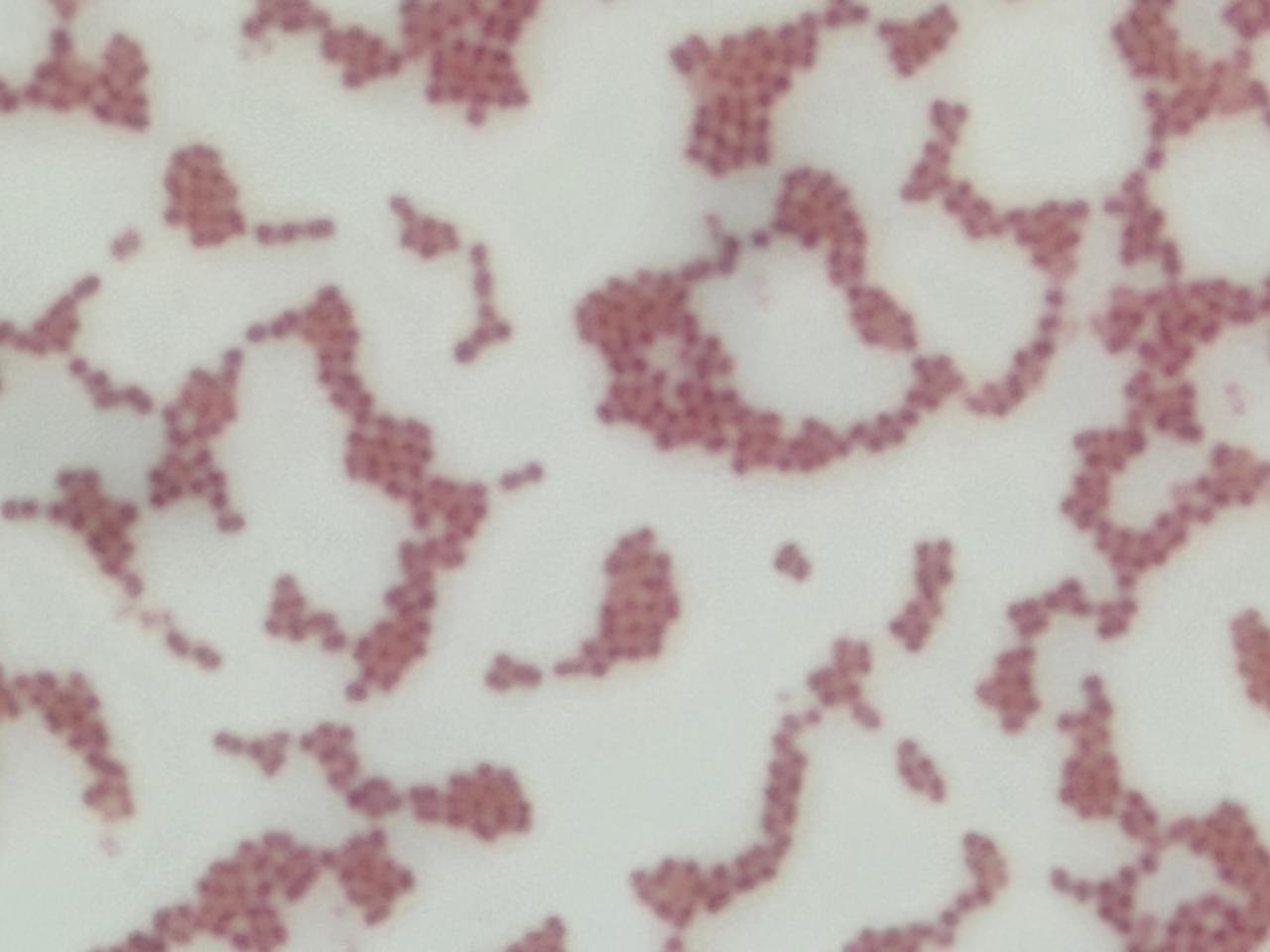
Gram-negative coccobacilli (often in pairs) of Acinetobacter baumannii complex

Introduction The Acinetobacter baumannii complex (ABC) is a group of highly resilient, opportunistic Gram-negative bacteria that pose a critical threat in healthcare settings. Classified as an “ESKAPE” pathogen, it is a leading cause of severe hospital-acquired (nosocomial) infections. The World Health Organization (WHO) categorizes carbapenem-resistant …

Read more

Acinetobacter haemolyticus-Introduction, Morphology, Pathogenicity, Lab Diagnosis, Treatment, Prevention, and Keynotes

Acinetobacter haemolyticus growth on CLED agar

Introduction Acinetobacter haemolyticus is an aerobic, non-fermenting bacterium found in nature and hospital environments. It belongs to the Acinetobacter genus, frequently causing healthcare-associated infections. It is generally considered less virulent than Acinetobacter baumannii but is increasingly recognized in human infections.  Morphology Pathogenicity Lab Diagnosis Treatment Prevention Keynotes Further Readings

Enterococcus avium-Introduction, Morphology, Pathogenicity, Lab Diagnosis, Treatment, Prevention, and Keynote

Enterococcus avium colony morphology on CLED agar

Introduction Enterococcus avium is a Gram-positive bacterium commonly found in birds. However, it can also inhabit the gastrointestinal tracts of humans and animals. Although it is less prevalent than other Enterococcus species, E. avium has been identified as a nosocomial pathogen in humans. Notably, it …

Read more