Serratia marcescens: Introduction, Morphology, Pathogenicity, Lab Diagnosis, Treatment, Prevention, and Keynotes
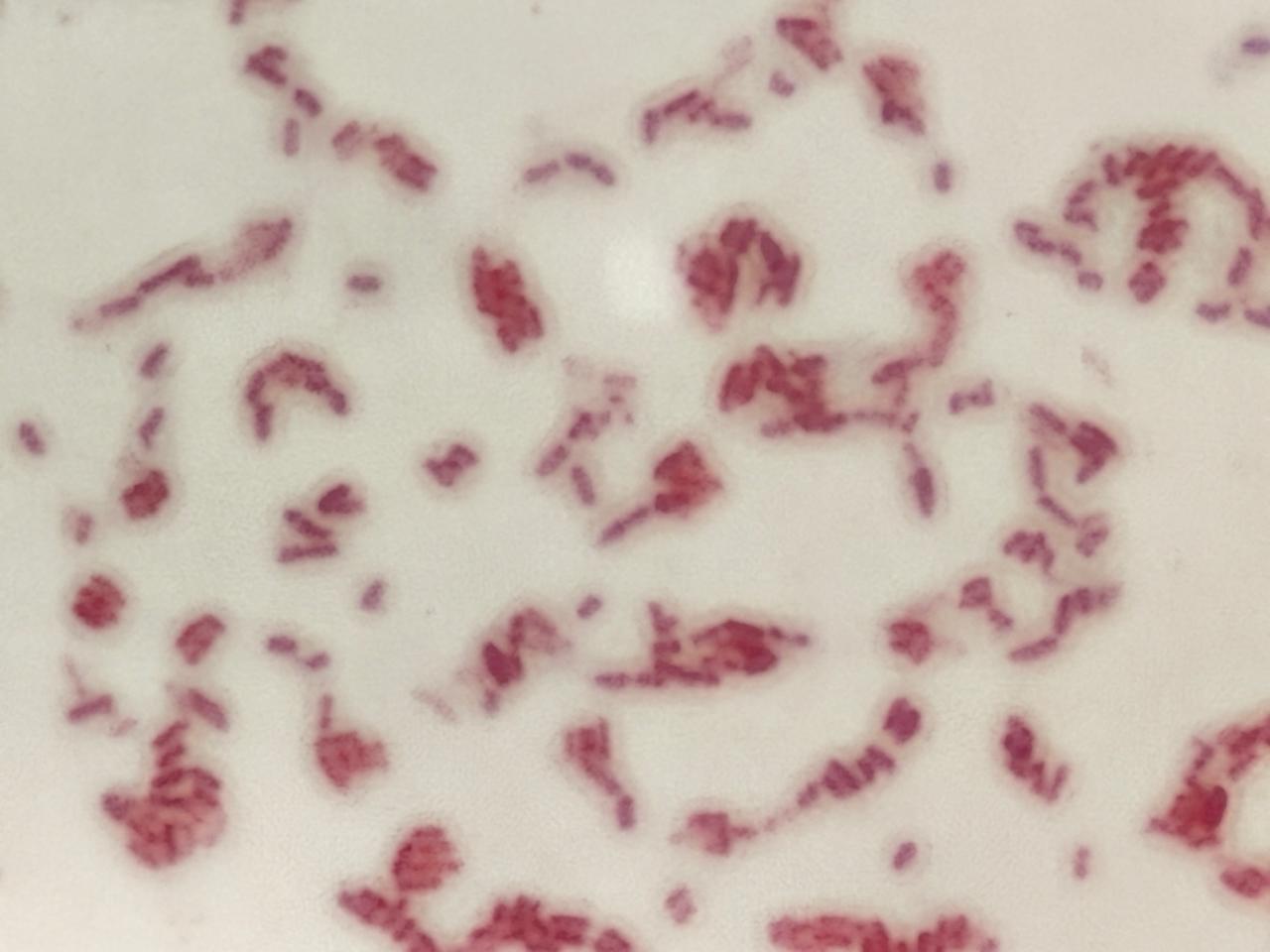
Introduction Morphology Pathogenicity Lab Diagnosis Treatment Prevention Keynotes Further Readings

This site is fully related to medical laboratory information for public and health care professionals.
Introduction Morphology Pathogenicity Lab Diagnosis Treatment Prevention Keynotes Further Readings
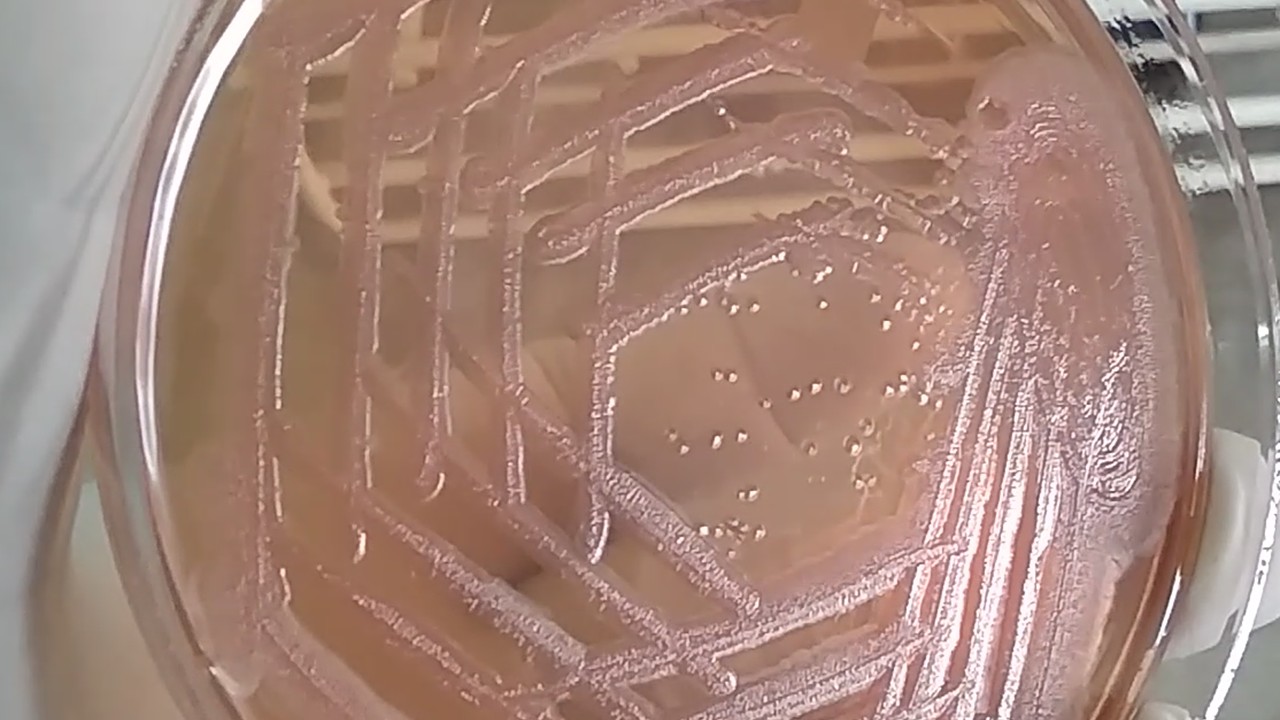
Introduction Alcaligenes faecalis is a Gram-negative, aerobic, rod-shaped bacterium primarily found in water and soil, but also as a commensal in the human intestinal tract. While it is generally nonpathogenic, it is a significant opportunistic pathogen, particularly in hospital settings where it thrives in moist …
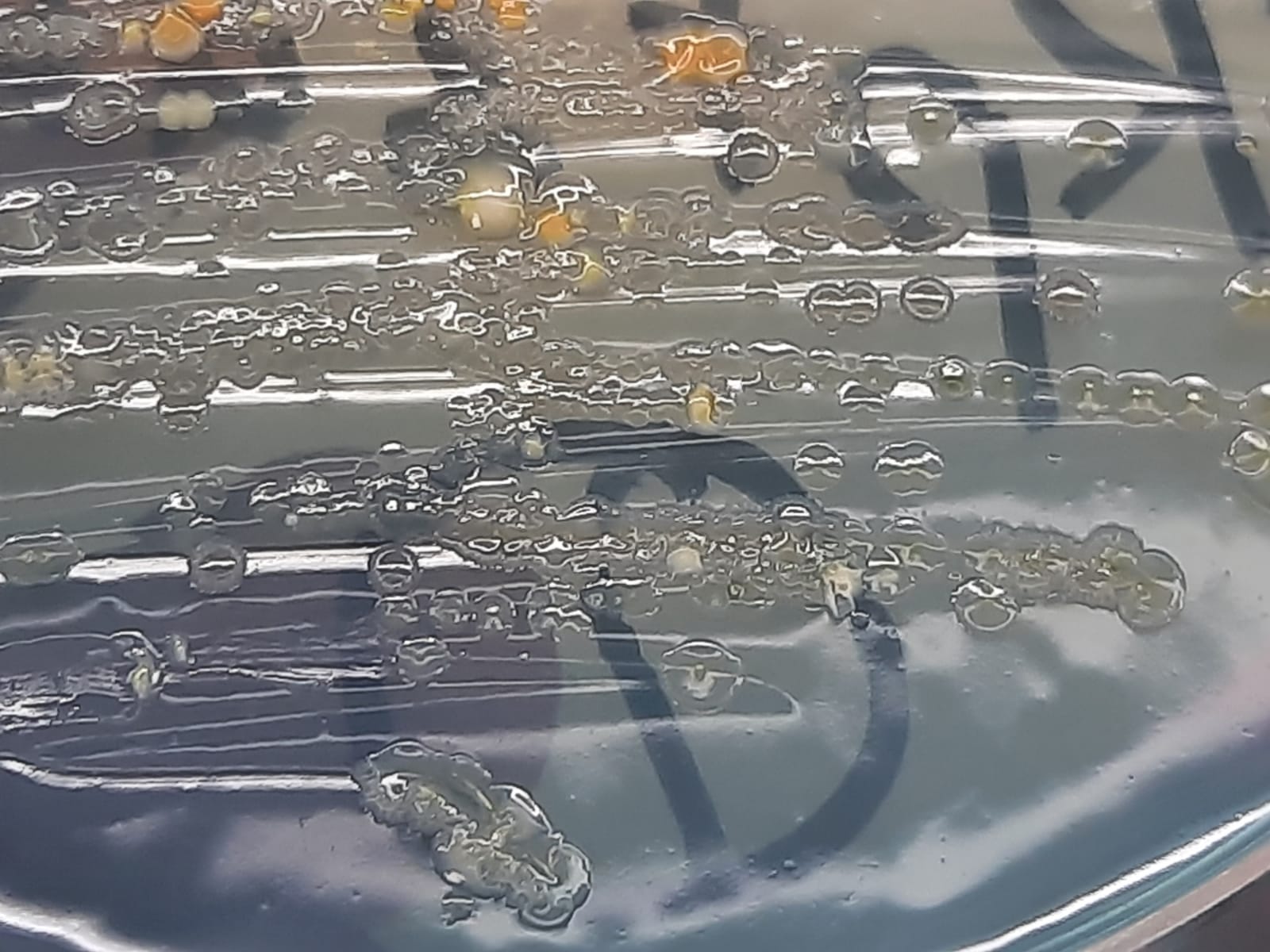
Introduction Acinetobacter haemolyticus is an aerobic, non-fermenting bacterium found in nature and hospital environments. It belongs to the Acinetobacter genus, frequently causing healthcare-associated infections. It is generally considered less virulent than Acinetobacter baumannii but is increasingly recognized in human infections. Morphology Pathogenicity Lab Diagnosis Treatment Prevention Keynotes Further Readings
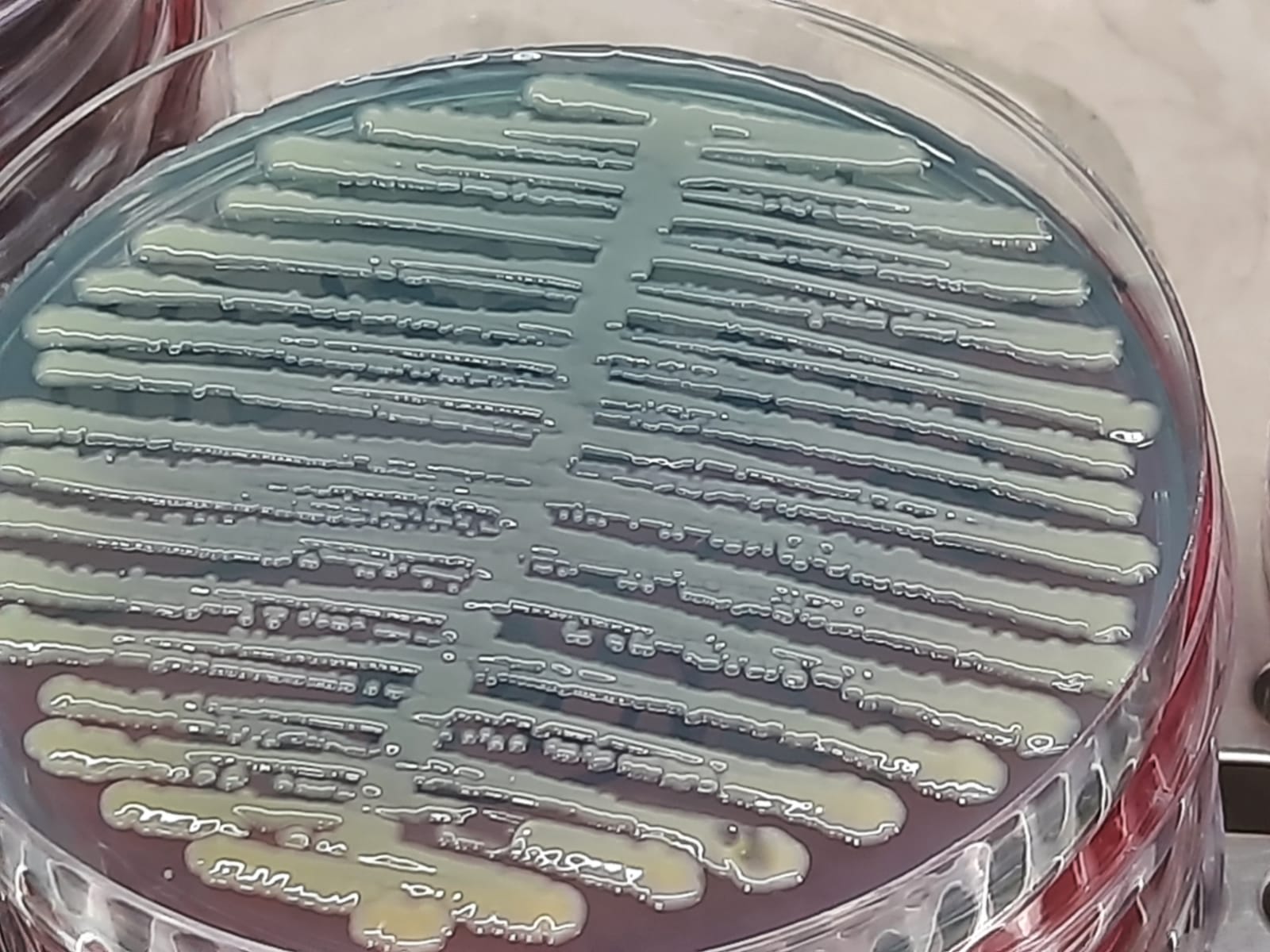
Introduction Klebsiella aerogenes (formerly Enterobacter aerogenes) is an opportunistic Gram-negative, facultative anaerobic bacterium responsible for serious healthcare-associated infections (HAIs), including bloodstream infections and pneumonia. It is highly associated with antibiotic resistance (including XDR strains) and poor clinical outcomes. Morphology Pathogenicity & Virulence Factors Lab Diagnosis Treatment Prevention Keynotes …

Introduction Lactococcus garvieae is a Gram-positive, catalase-negative, non-spore-forming coccus, typically arranged in pairs or short chains. It belongs to the lactic acid bacteria group and is well known as a major pathogen in fish (lactococcosis). In humans, it is an emerging opportunistic pathogen, increasingly recognized …

Introduction Streptococcus agalactiae, also known as Group B Streptococcus (GBS), is a Gram-positive, beta-hemolytic coccus arranged in chains. It is a major cause of neonatal sepsis, meningitis, and infections in pregnant women, and an emerging pathogen in immunocompromised adults. GBS commonly colonizes the gastrointestinal and …

Introduction Potassium Hydroxide (KOH) mount is a simple, rapid, and cost-effective microscopic technique used to detect fungal elements in various clinical specimens, including urine samples. When fungal infection of the urinary tract (funguria) is suspected—especially in immunocompromised, diabetic, or catheterized patients—KOH mount helps visualize yeast …
Introduction Acinetobacter ursingii is a Gram-negative, non-fermentative, opportunistic bacterium belonging to the genus Acinetobacter. It is an uncommon species compared to Acinetobacter baumannii, but it has been increasingly recognized in healthcare-associated infections (HAIs). Reported cases include bacteremia, septicemia, pneumonia, urinary tract infections, and bloodstream infections, …