Lactococcus garvieae: Introduction, Pathogenicity, Lab Diagnosis, Treatment, Prevention, and Keynotes

Gram positive cocci of Lactococcus garvieae in Gram staining of repeated culture at a magnification of 4000X

Introduction Lactococcus garvieae is a Gram-positive, catalase-negative, non-spore-forming coccus, typically arranged in pairs or short chains. It belongs to the lactic acid bacteria group and is well known as a major pathogen in fish (lactococcosis). In humans, it is an emerging opportunistic pathogen, increasingly recognized …

Read more

Gemella morbillorum-Introduction, Morphology, Pathogenicity, Lab Diagnosis, Treatment, Prevention, and Keynotes

Gemella morbillorum in Gram staining of culture microscopy

Introduction Gemella morbillorum is a gram-positive bacterium, typically found in the human mouth, throat, and respiratory tract. It occasionally causes infections, particularly in immunocompromised individuals or those with underlying health conditions. Common infections include endocarditis, bacteremia, and abscesses. Notably, it can lead to serious complications …

Read more

Listeria monocytogenes: Introduction, Morphology, Pathogenicity, Lab Diagnosis, Treatment, Prevention, and Keynotes

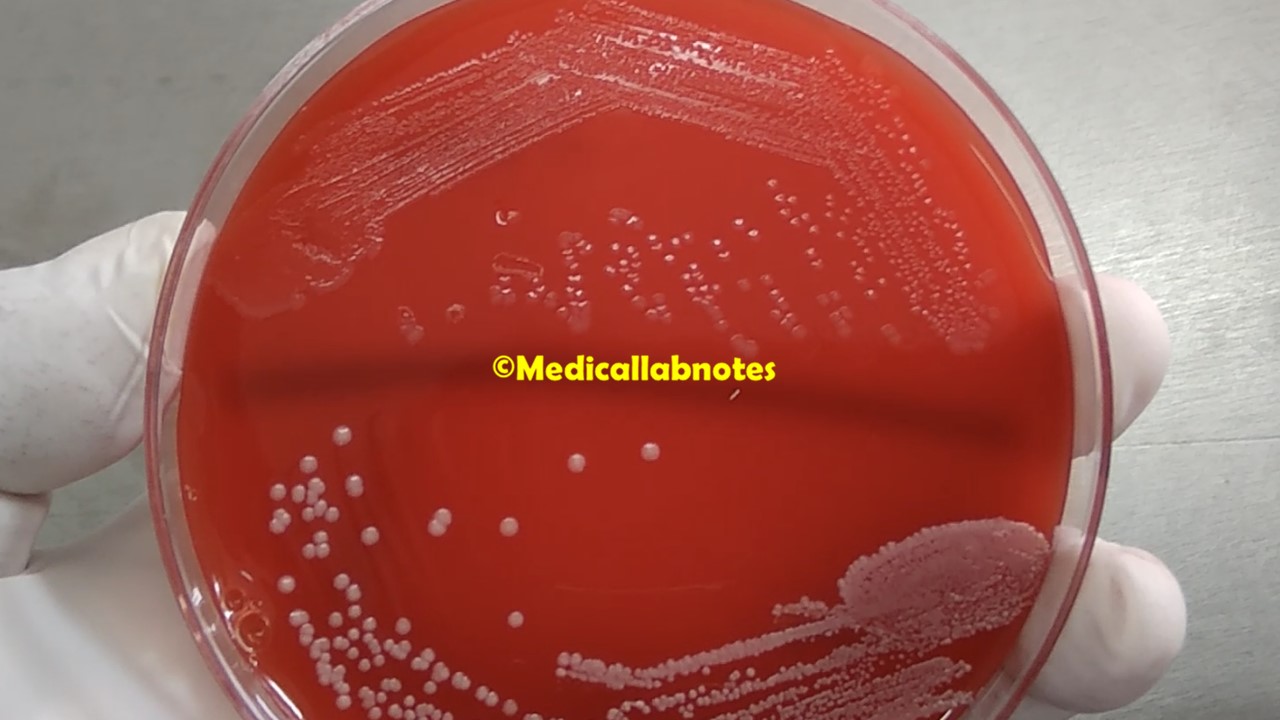
Listeria monocytogenes colony morphology on blood agar-Upper side

Introduction Listeria monocytogenes is a gram-positive, rod-shaped bacterium that is widely distributed in nature and can cause a serious foodborne infection known as listeriosis. It is one of the few bacterial species capable of growing at refrigeration temperatures, making it a significant concern for food …

Read more