Kocuria rosea -Introduction, Pathogenicity, Lab Diagnosis, Treatment, Prevention, and Keynote

Kocuria rosea -Introduction, Pathogenicity, Lab Diagnosis, Treatment, Prevention, and Keynote

Introduction Kocuria rosea is a Gram-positive, aerobic coccus belonging to the family Micrococcaceae. Formerly classified under the genus Micrococcus, it is widely found in environments such as soil, water, and sediments. In humans and other mammals, it acts as a commensal organism that harmlessly colonizes …

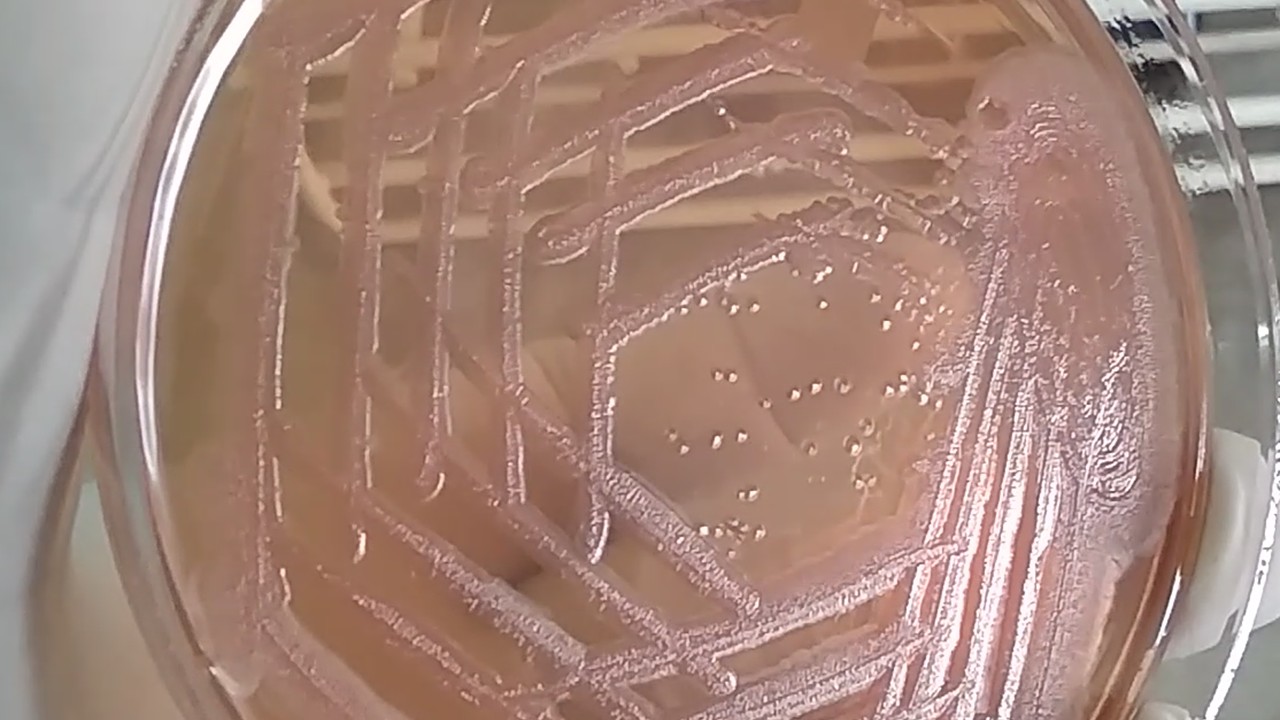
Read more

Sphingomonas paucimobilis-Introduction, Morphology, Pathogenicity, Lab Diagnosis, Treatment, Prevention, and Keynotes

Sphingomonas paucimobilis colony morphology on CLED agar

Introduction Sphingomonas paucimobilis (formerly classified as Pseudomonas paucimobilis) is a strictly aerobic, non-fermenting, Gram-negative bacillus. It is an environmental oligotroph found widely in soil and water systems. It serves as a stealthy opportunistic pathogen in clinical settings. It can survive in nutrient-poor conditions and form …

Read more

Alcaligenes faecalis: Introduction, Morphology, Pathogenicity, Lab Diagnosis, Treatment, Prevention, and Keynotes

Alcaligenes faecalis growth on MacConkey agar

Introduction Alcaligenes faecalis is a Gram-negative, aerobic, rod-shaped bacterium primarily found in water and soil, but also as a commensal in the human intestinal tract. While it is generally nonpathogenic, it is a significant opportunistic pathogen, particularly in hospital settings where it thrives in moist …

Read more

Lactococcus garvieae: Introduction, Pathogenicity, Lab Diagnosis, Treatment, Prevention, and Keynotes

Gram positive cocci of Lactococcus garvieae in Gram staining of repeated culture at a magnification of 4000X

Introduction Lactococcus garvieae is a Gram-positive, catalase-negative, non-spore-forming coccus, typically arranged in pairs or short chains. It belongs to the lactic acid bacteria group and is well known as a major pathogen in fish (lactococcosis). In humans, it is an emerging opportunistic pathogen, increasingly recognized …

Read more