Kocuria rosea -Introduction, Pathogenicity, Lab Diagnosis, Treatment, Prevention, and Keynote

Kocuria rosea -Introduction, Pathogenicity, Lab Diagnosis, Treatment, Prevention, and Keynote

Introduction Kocuria rosea is a Gram-positive, aerobic coccus belonging to the family Micrococcaceae. Formerly classified under the genus Micrococcus, it is widely found in environments such as soil, water, and sediments. In humans and other mammals, it acts as a commensal organism that harmlessly colonizes …

Read more

Aerococcus viridans: Introduction, Morphology, Pathogenicity, Lab Diagnosis, Treatment, Prevention, and Keynotes

Aerococcus viridans in Gram staining of culture

Introduction Aerococcus viridans is a gram-positive coccus that rarely infects humans. It usually inhabits hospital environments. Moreover, it exists in air and water. It causes urinary tract infections, endocarditis, and bacteremia. Additionally, it appears in various clinical specimens. Furthermore, laboratories sometimes misidentify it as viridans …

Read more

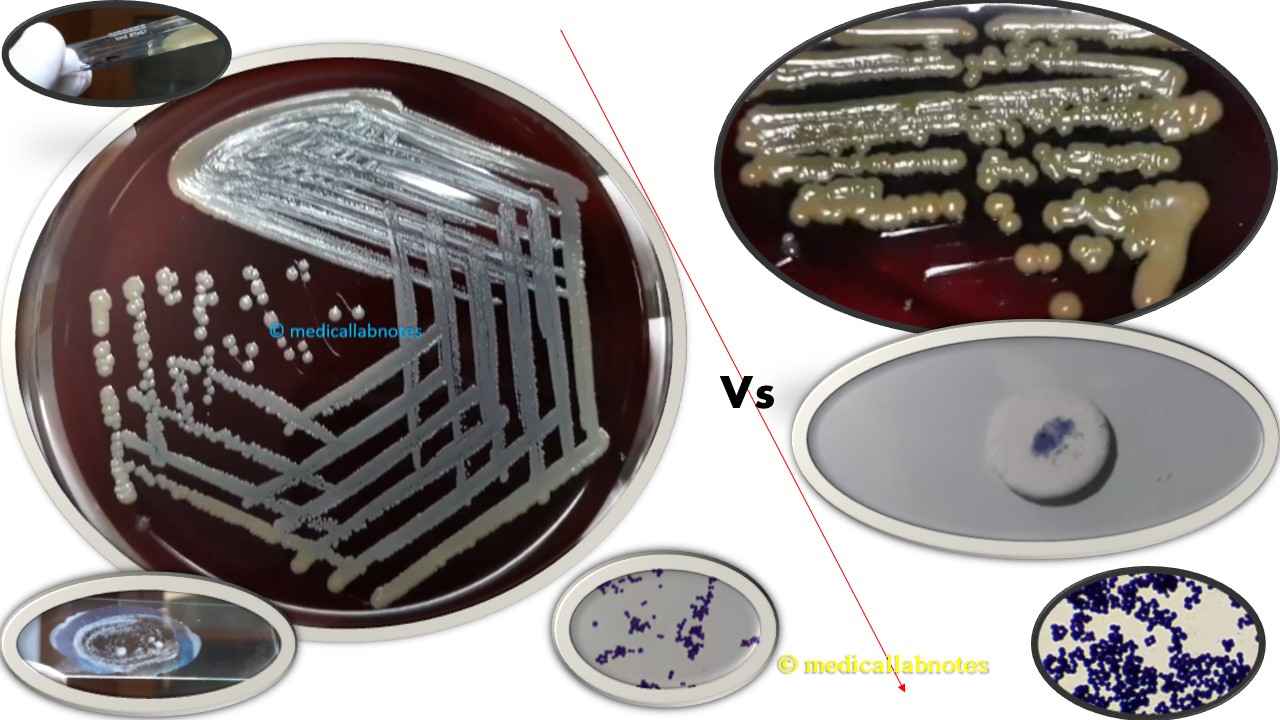
Staphylococcus and Micrococcus: Introduction, Differentiating Features, Keynotes, and Related Footages

Staphylococcus Vs Micrococcus: Introduction, Differentiating Features, Keynotes, and Related Footages

Introduction of Staphylococcus and Micrococcus Staphylococcus (pleural-staphylococci) is spherical, non-motile, gram-positive in singles, pairs, and clusters. On nutrient agar, growth is opaque and golden yellow or white color. Catalase and coagulase test positive (Staphylococcus aureus), oxidase negative, aerobic or facultative anaerobe. Parasite of humans and …

Read more