Rothia: Introduction, Pathogenicity, Lab Diagnosis, Treatment, Prevention, and Keynote
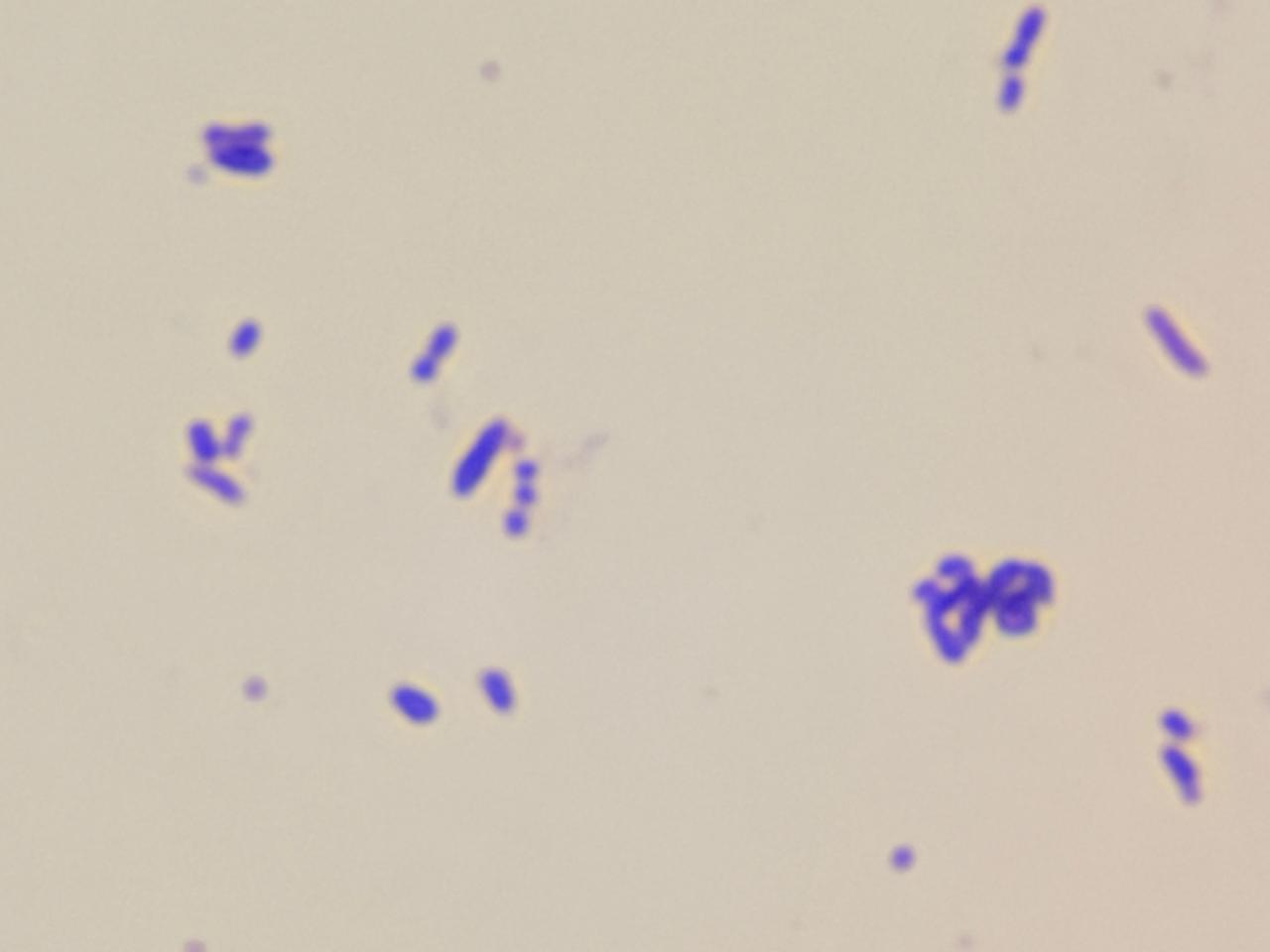
Introduction Pathogenicity Lab Diagnosis Treatment Prevention Keynote Further Readings

This site is fully related to medical laboratory information for public and health care professionals.
Introduction Pathogenicity Lab Diagnosis Treatment Prevention Keynote Further Readings

Introduction Acinetobacter lwoffii is a Gram-negative, strictly aerobic, non-motile, non-fermenting, and oxidase-negative bacterium. It belongs to the genus Acinetobacter within the family Moraxellaceae. Unlike its highly aggressive relative Acinetobacter baumannii, A. lwoffii is generally considered a commensal organism. It regularly lives as normal flora on …
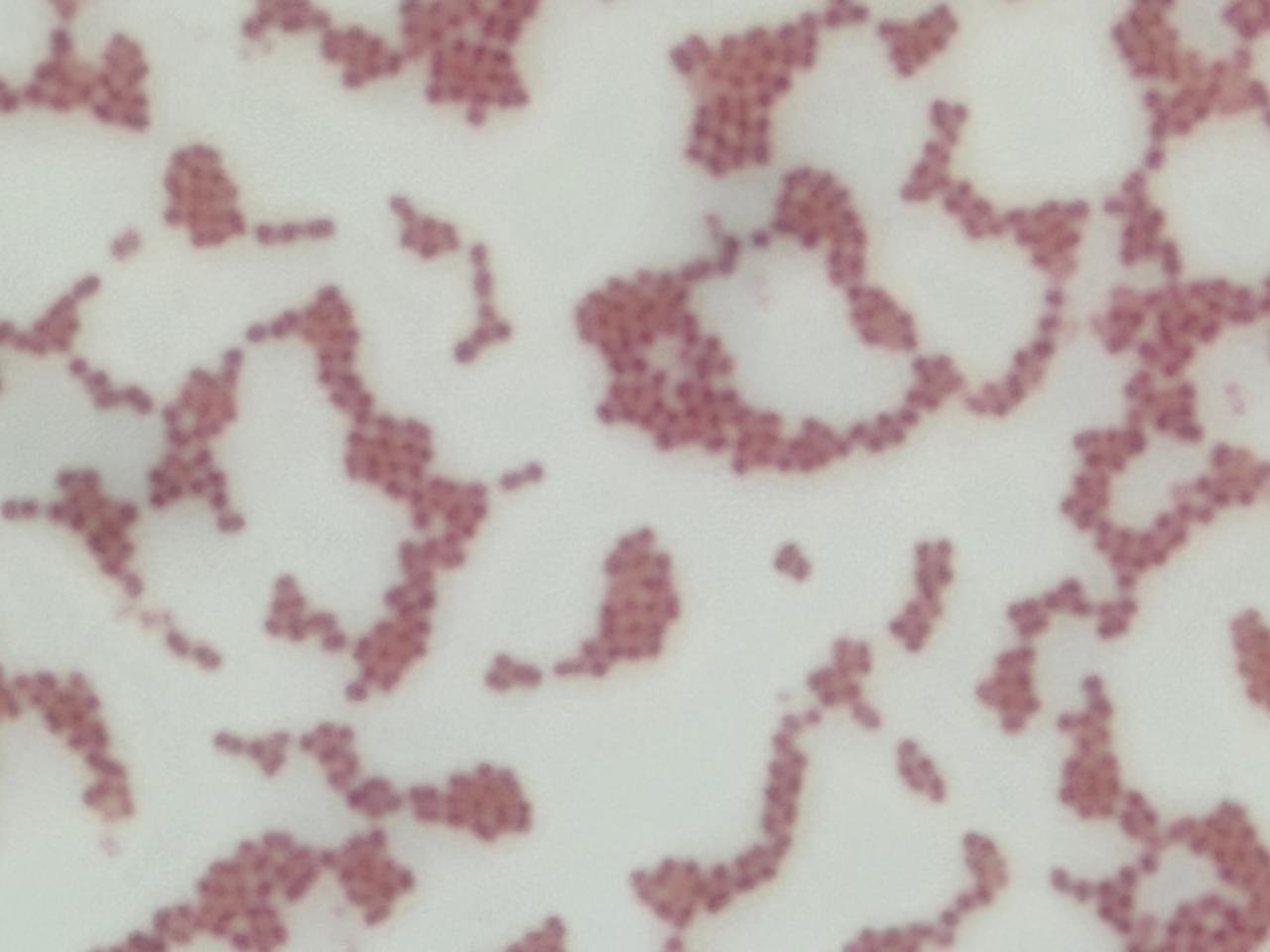
Introduction The Acinetobacter baumannii complex (ABC) is a group of highly resilient, opportunistic Gram-negative bacteria that pose a critical threat in healthcare settings. Classified as an “ESKAPE” pathogen, it is a leading cause of severe hospital-acquired (nosocomial) infections. The World Health Organization (WHO) categorizes carbapenem-resistant …
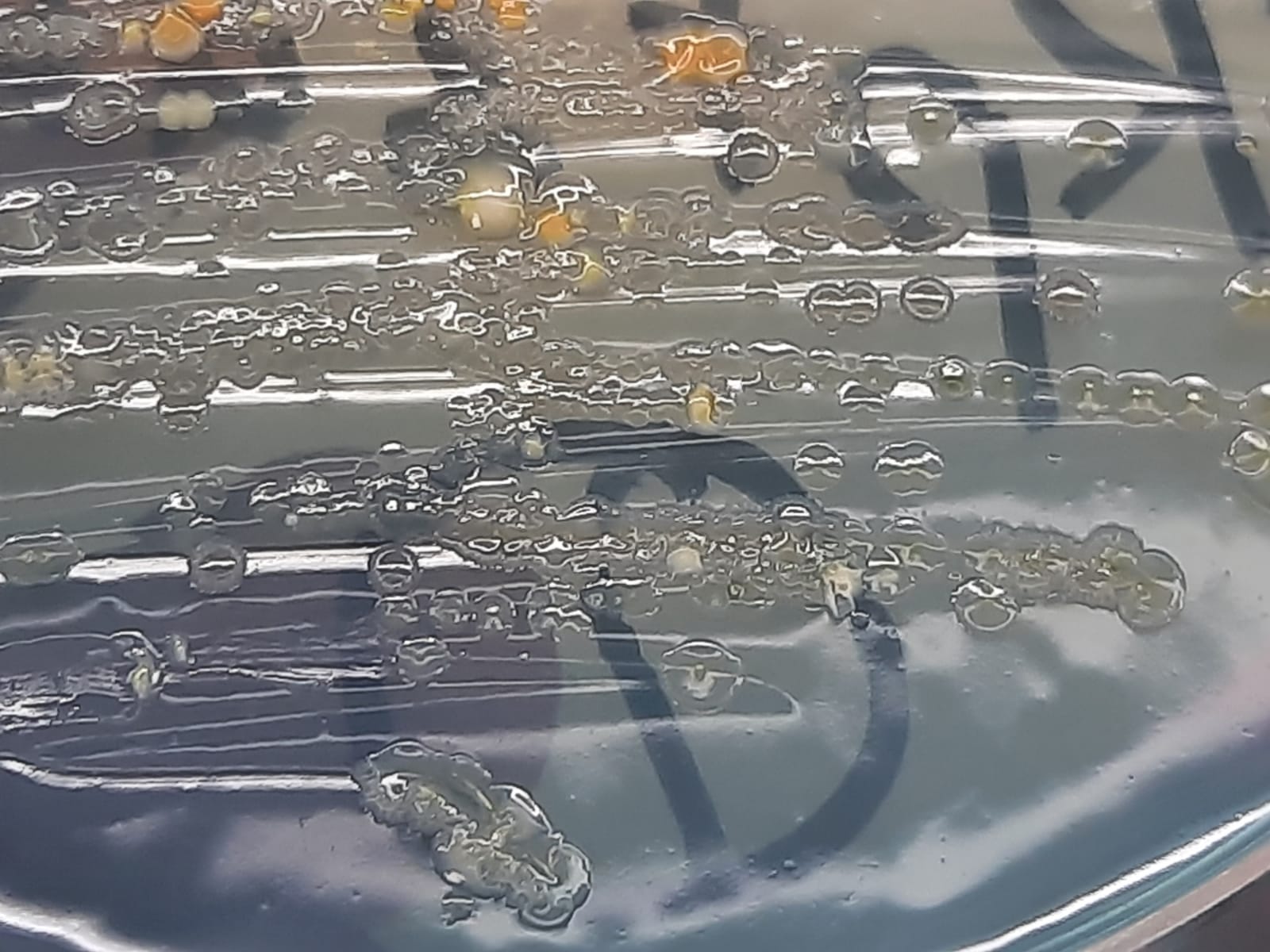
Introduction Acinetobacter haemolyticus is an aerobic, non-fermenting bacterium found in nature and hospital environments. It belongs to the Acinetobacter genus, frequently causing healthcare-associated infections. It is generally considered less virulent than Acinetobacter baumannii but is increasingly recognized in human infections. Morphology Pathogenicity Lab Diagnosis Treatment Prevention Keynotes Further Readings

Introduction Aerococcus viridans is a gram-positive coccus that rarely infects humans. It usually inhabits hospital environments. Moreover, it exists in air and water. It causes urinary tract infections, endocarditis, and bacteremia. Additionally, it appears in various clinical specimens. Furthermore, laboratories sometimes misidentify it as viridans …