
Introduction
Table of Contents
- Rothia is a genus of Gram-positive cocco-bacilli belonging to the Micrococcaceae family.
- The major clinical species include Rothia mucilaginosa, Rothia dentocariosa, and Rothia kristinae.
- They are normal commensals inhabiting the human oral cavity, oropharynx, upper respiratory tract, and occasionally the skin.
- Historically, they were misidentified or shuffled across other genera like Micrococcus or Stomatococcus until modern genetic testing solidified their taxonomy.
Pathogenicity
- Rothia acts as an opportunistic pathogen, rarely causing disease in healthy, immunocompetent individuals.
- Severe risk factors include profound neutropenia, hematological malignancies (like leukemia), oral mucositis, and the use of immunosuppressive drugs.
- Biofilm formation is its primary virulence mechanism, allowing the bacteria to adhere tightly to foreign medical objects.
- Foreign indwelling devices such as central venous catheters and prosthetic heart valves serve as common focal sites for device-related colonization.
- Common clinical manifestations include catheter-related bacteremia, infective endocarditis, pneumonia, peritonitis (in dialysis patients), and meningitis.
Lab Diagnosis
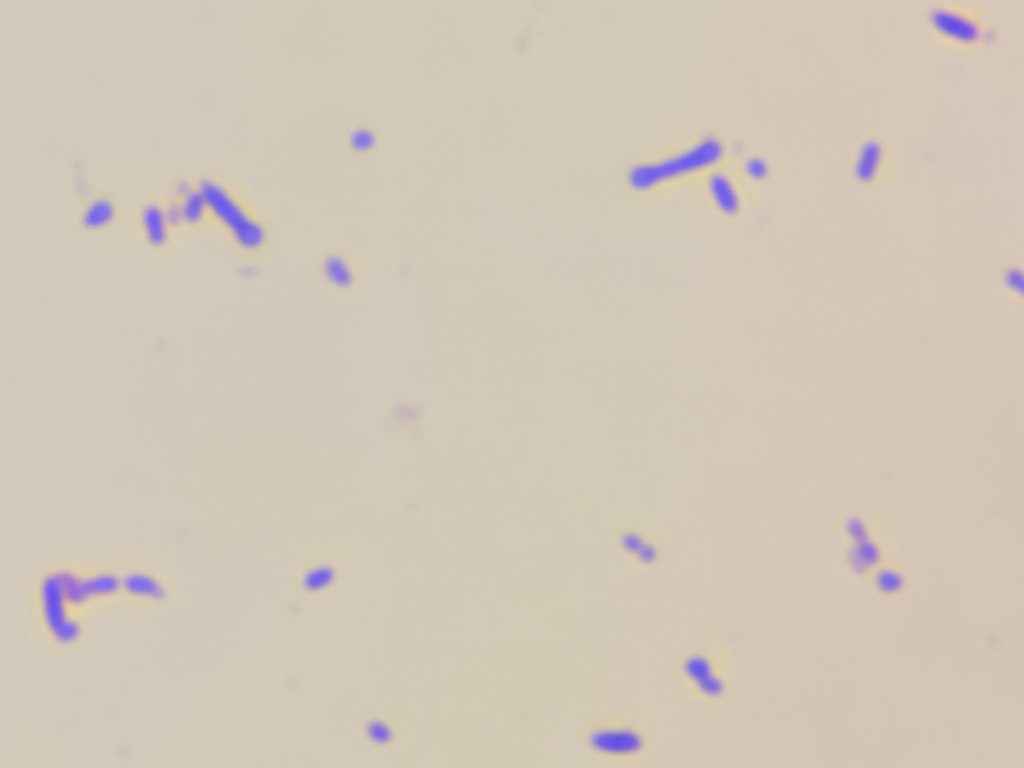
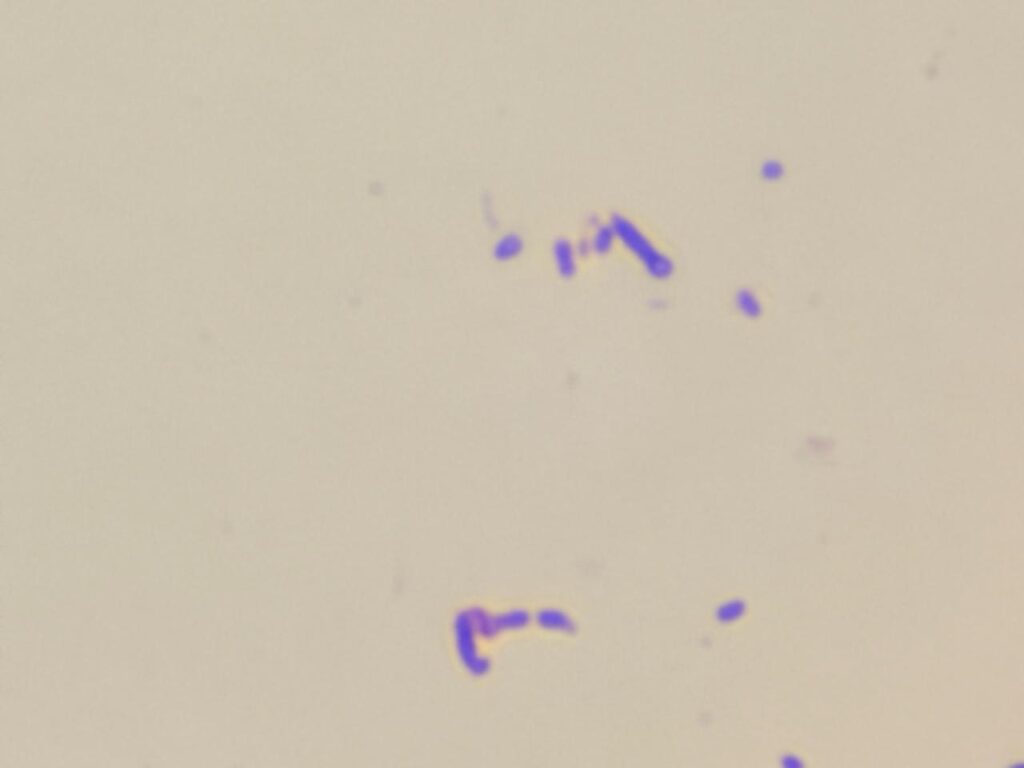
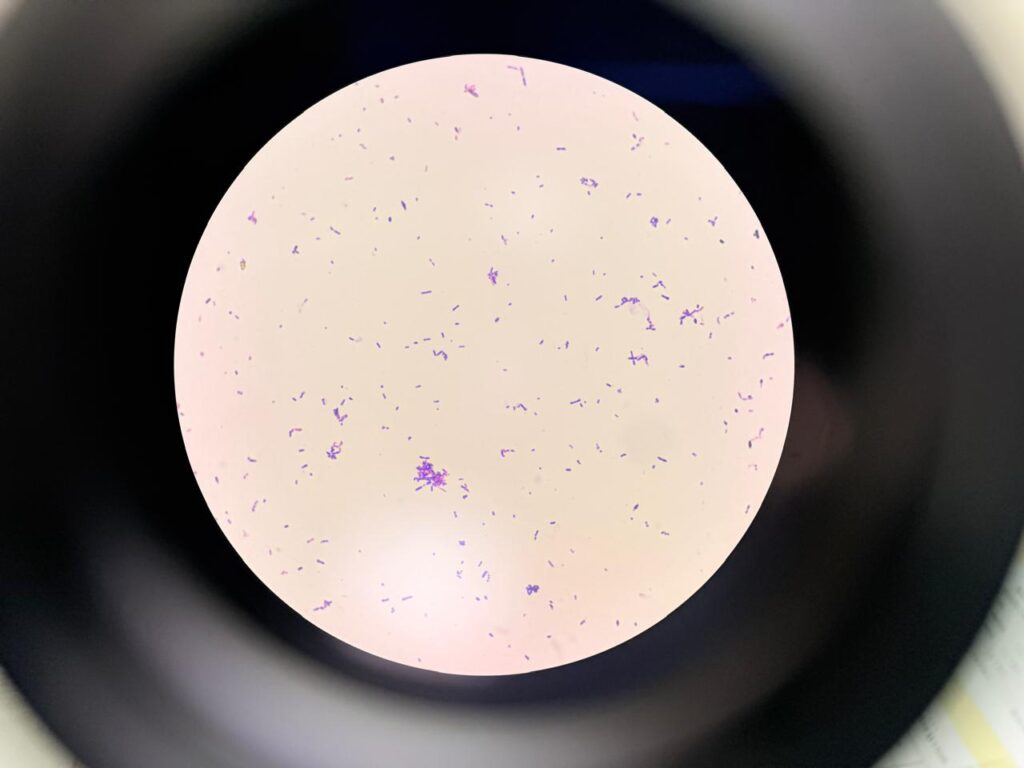
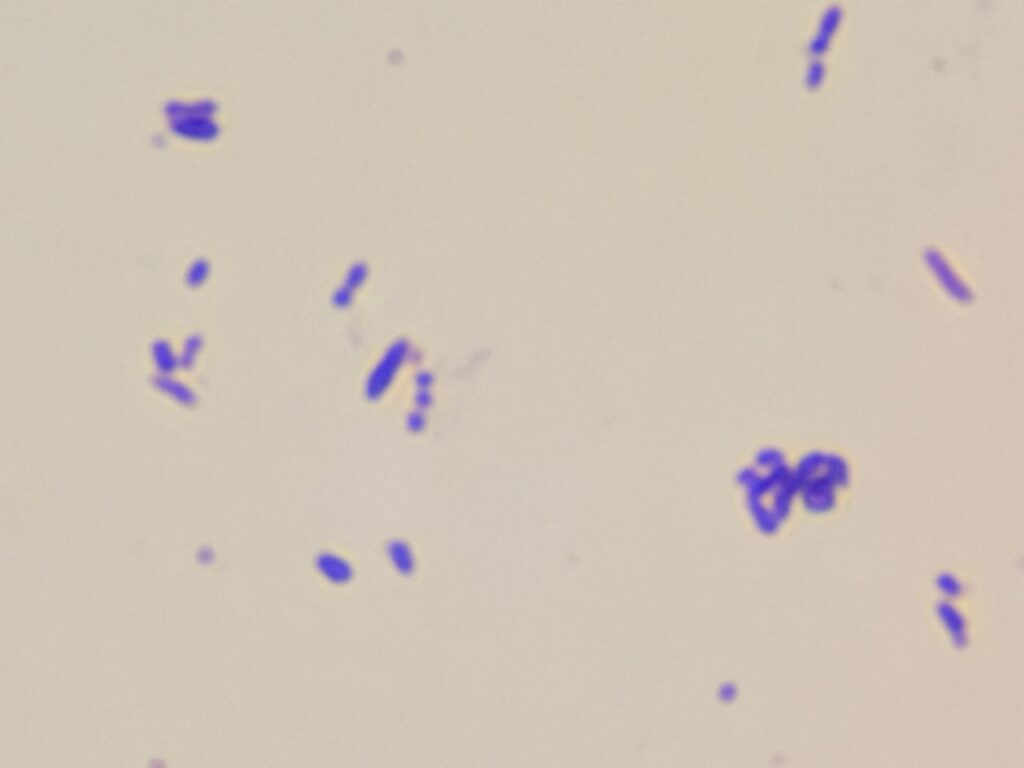
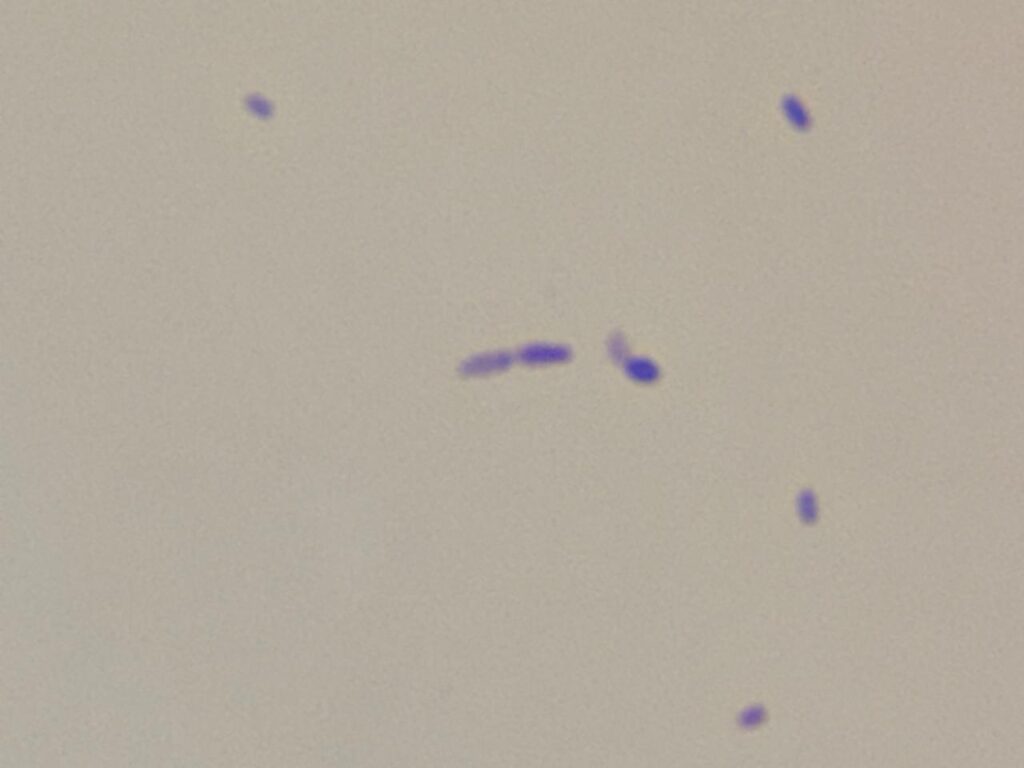
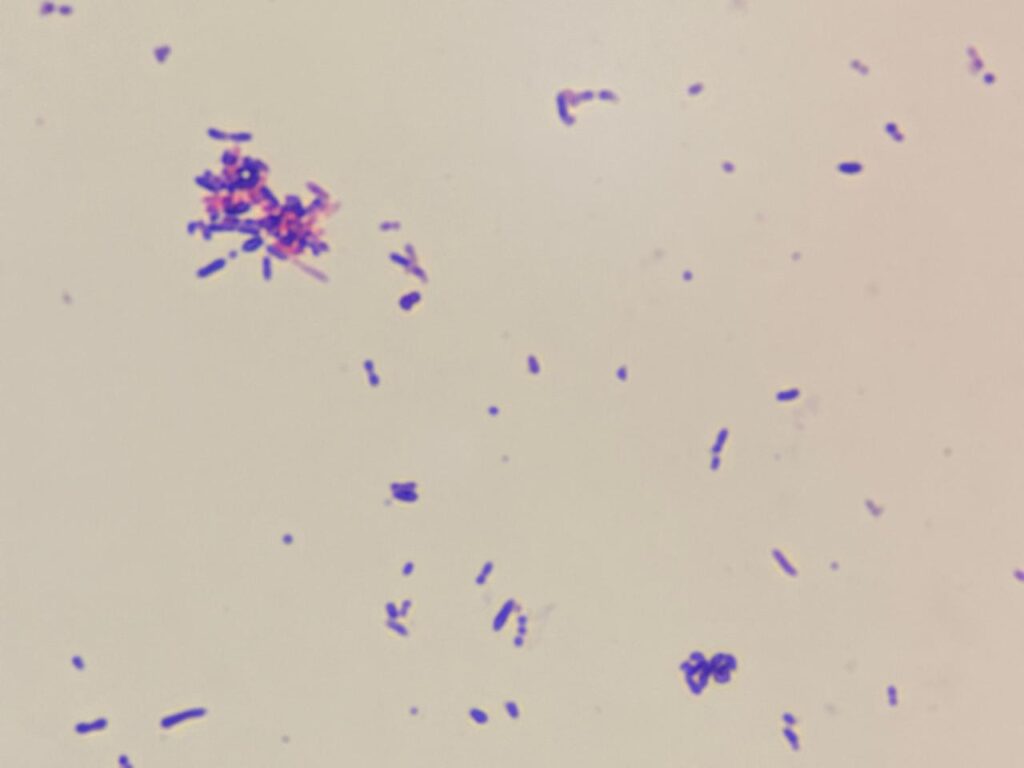
- Microscopic morphology reveals Gram-positive, non-motile cocci or cocco-bacilli appearing in pairs, tetrads, or irregular clusters.

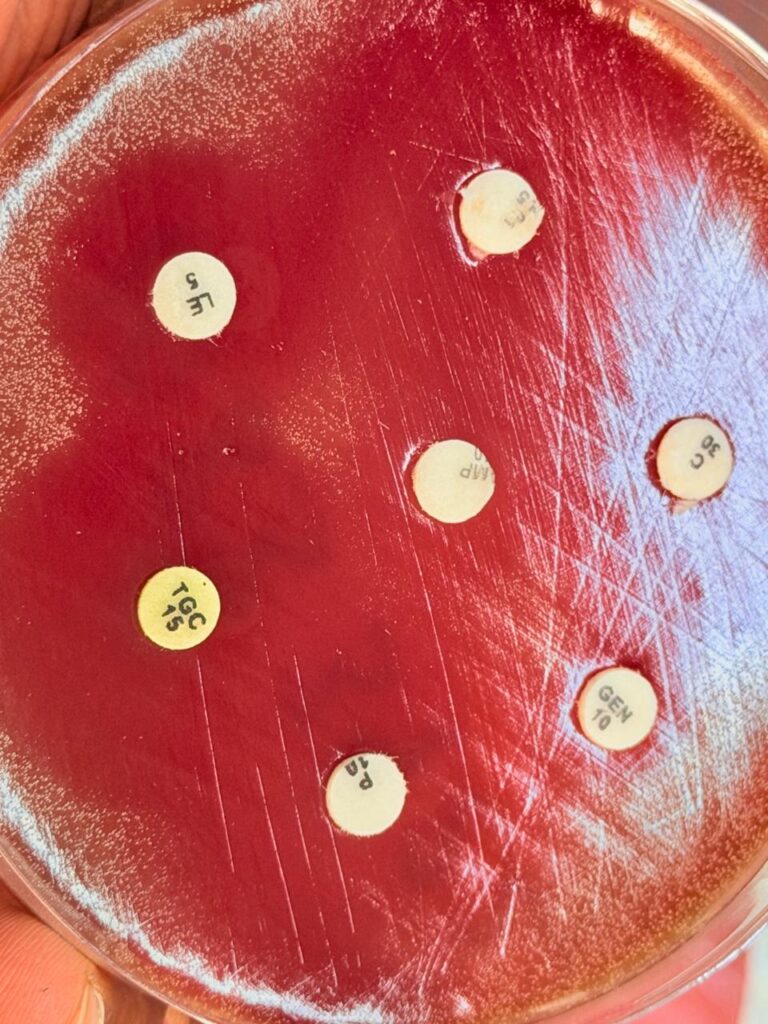
- R. mucilaginosa produces highly mucoid, sticky colonies on blood agar that adhere strongly to the agar surface, making them physically difficult to pick up.
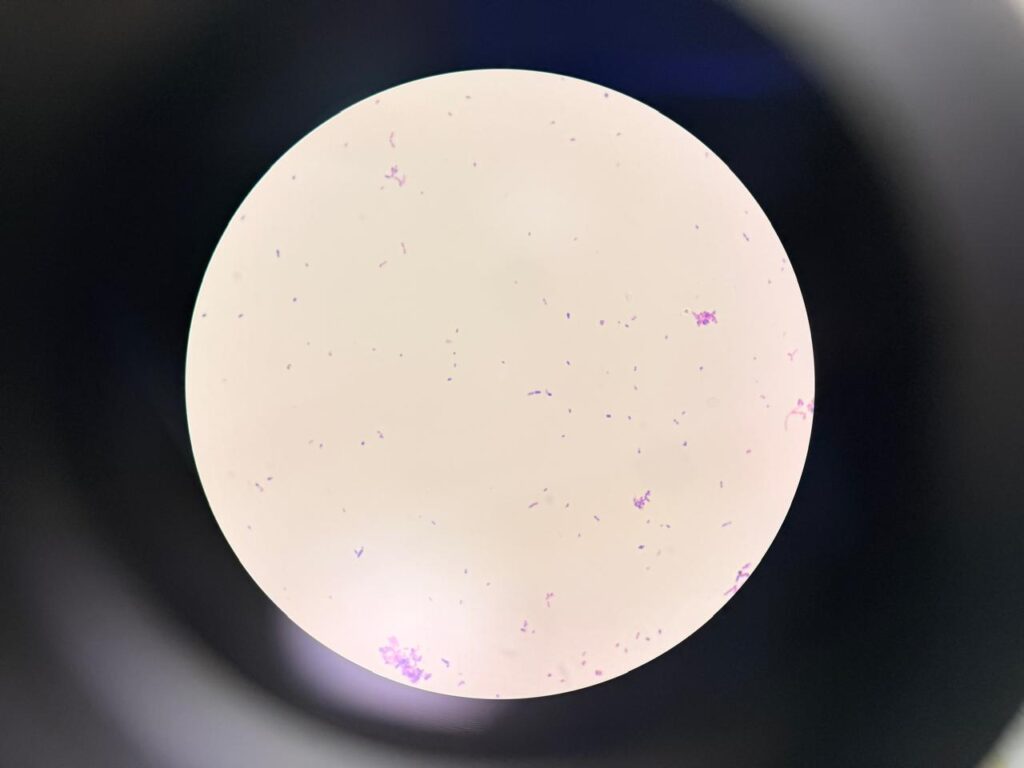
- Biochemical traits typically show them to be catalase-positive (though variable in R. mucilaginosa), oxidase-negative, and coagulase-negative.

- Salt intolerance helps distinguish Rothia from staphylococci, as Rothia species fail to grow in a 6.5% NaCl medium.
- Definitive modern identification relies on MALDI-TOF mass spectrometry or 16S rRNA gene sequencing for accurate verification.

Treatment
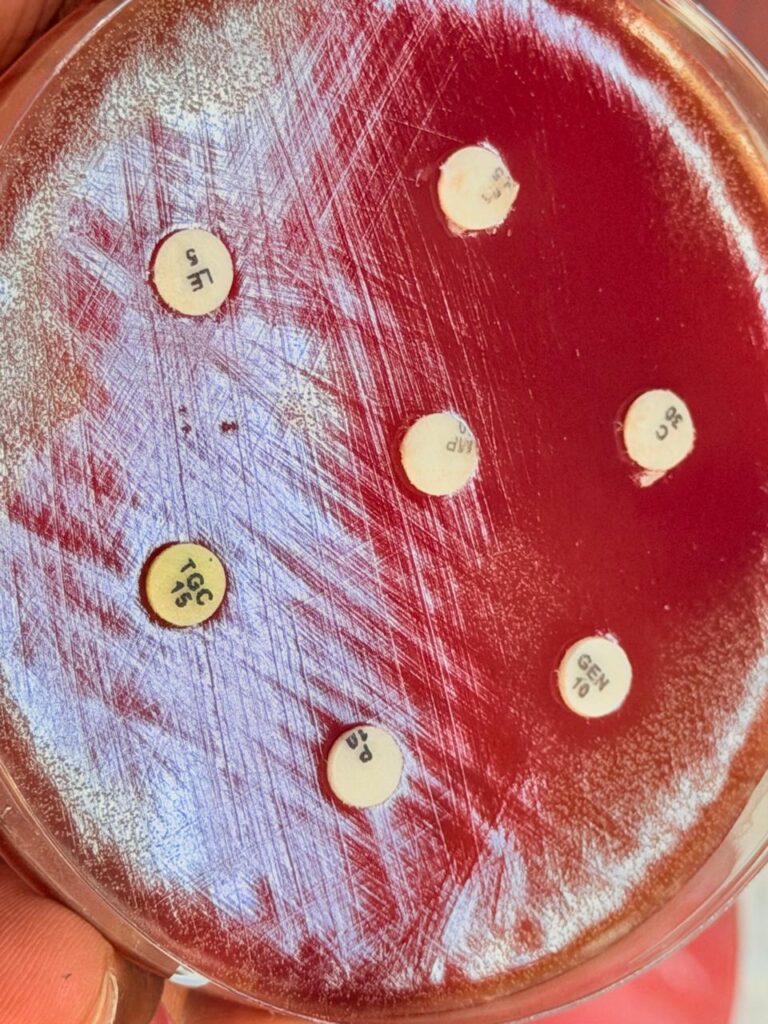
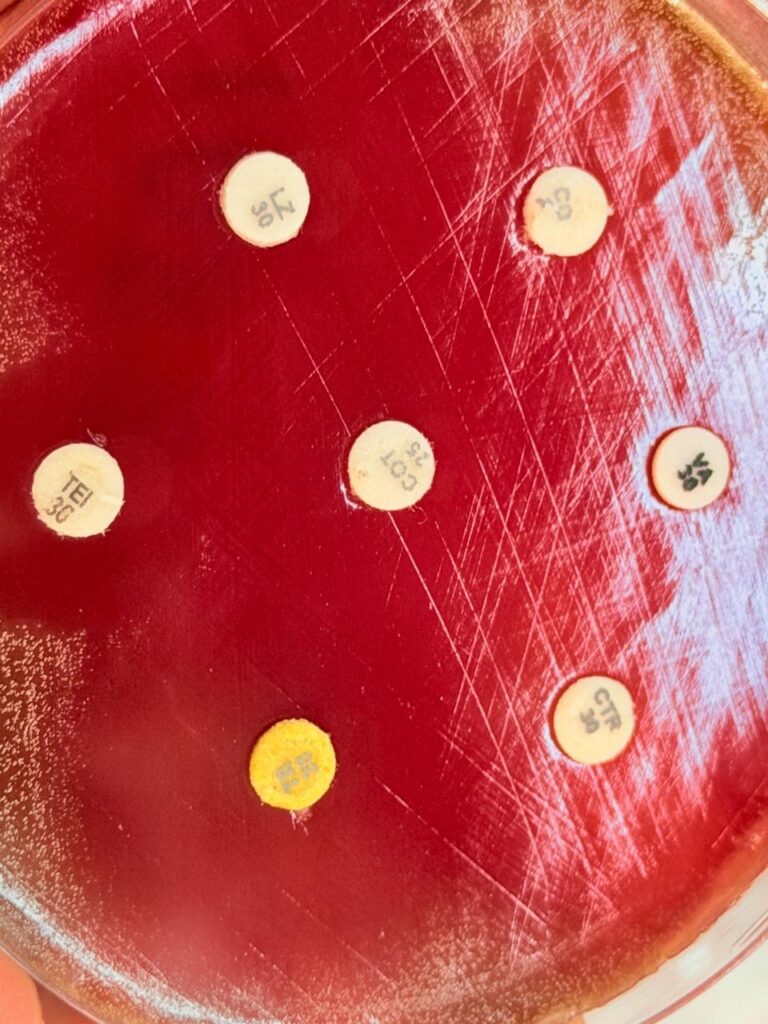
- Empiric vancomycin is highly effective because Rothia species show uniform in vitro susceptibility to glycopeptides.
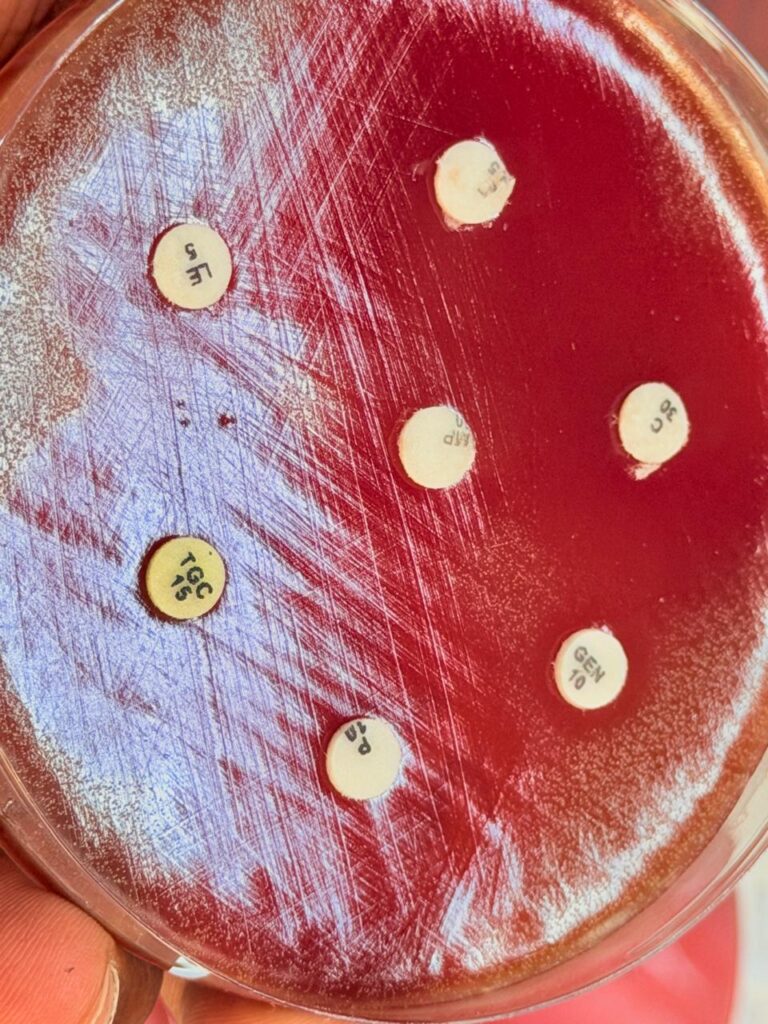
- Alternative sensitive antibiotics often include beta-lactams (like penicillin or ampicillin), 3rd-generation cephalosporins, and carbapenems, pending susceptibility results.
- Intrinsic resistance to fluoroquinolones is common, which frequently leads to breakthrough infections in cancer patients undergoing routine prophylactic fluoroquinolone therapy.
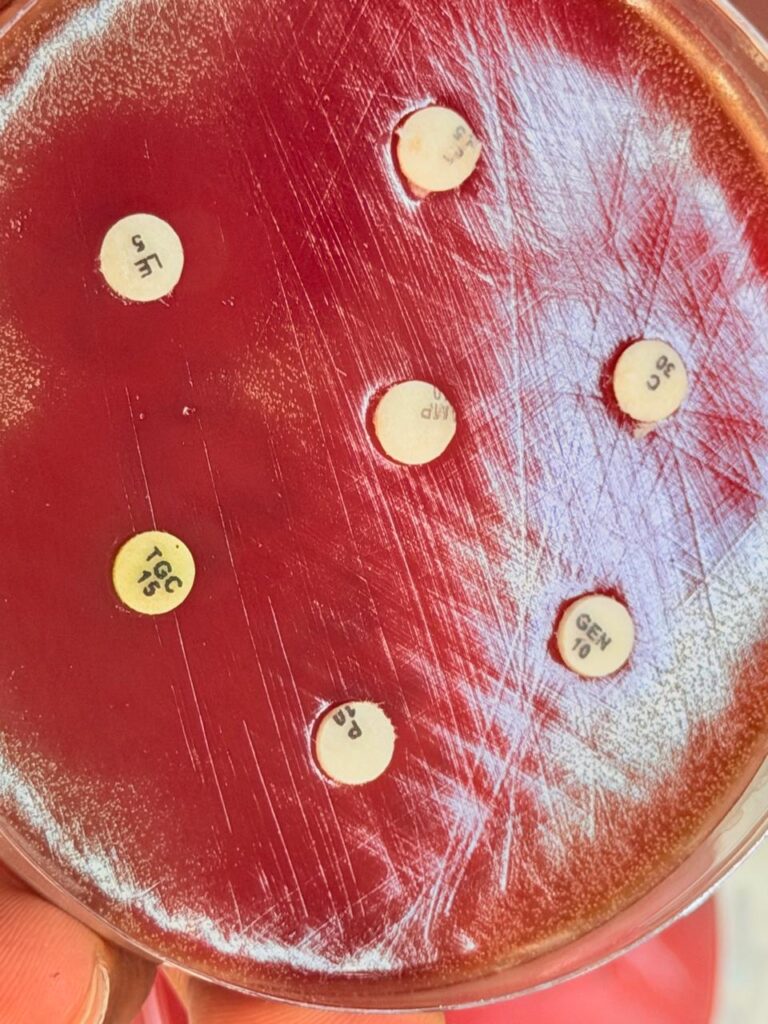
- Combination therapy utilizing a beta-lactam combined with rifampicin or an aminoglycoside is frequently employed for deep-seated infections like endocarditis or meningitis.

- Source control is mandatory, requiring the physical removal of any infected central lines, catheters, or prosthetics to clear the underlying biofilm.
Prevention
- Strict central line bundles must be enforced during the insertion and maintenance of central venous catheters.
- Meticulous oral hygiene helps limit the overgrowth and translocation of oral Rothia flora in neutropenic patients suffering from severe mucositis.

- Standard infection control guidelines, including proper hand hygiene and sterile barrier precautions, should be strictly followed in oncology wards.
Keynote
- Never automatically dismiss Rothia as a background skin contaminant when isolated from blood cultures, especially if it surfaces across multiple culture bottles or from a highly vulnerable, febrile, neutropenic patient.
Further Readings
- https://pmc.ncbi.nlm.nih.gov/articles/PMC4313135/
- https://pmc.ncbi.nlm.nih.gov/articles/PMC3589642/
- https://pmc.ncbi.nlm.nih.gov/articles/PMC8260197/
- https://www.japi.org/article/japi-73-6-82
- https://www.sciencedirect.com/topics/medicine-and-dentistry/rothia-dentocariosa
- https://pmc.ncbi.nlm.nih.gov/articles/PMC11991707/
- http://publicatio.bibl.u-szeged.hu/18751/1/IDCP-20-23-2-6.pdf
- https://microregistrar.com/?p=348
- https://www.authorea.com/doi/10.22541/au.159284826.61673369