
Introduction
Table of Contents
- Taxonomy: Belongs to the kingdom Fungi, phylum Ascomycota, and family Herpotrichiellaceae.
- Synonyms: Cladophialophora bantiana was historically called Cladosporium trichoides or Xylohypha bantiana.
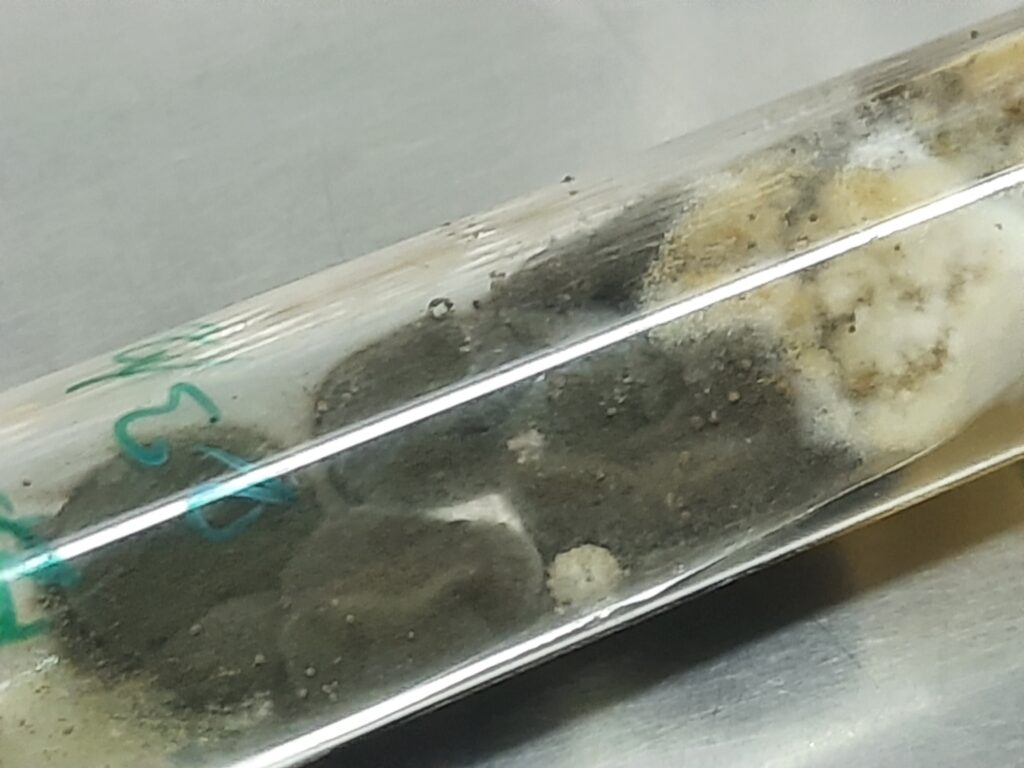
- Characteristics: Produces melanin in its cell walls, giving colonies a characteristic olive-green to blackish color.
- Major Species:
- Cladophialophora bantiana: Strongly neurotropic; targets the brain.
- Cladophialophora carrionii: Primarily causes localized skin and subcutaneous infections.
Pathogenicity
- Virulence Factors: Melanin acts as a major shield, protecting the fungus against host oxidative bursts and enzymatic degradation within macrophages. Its high thermotolerance allows it to thrive easily at human body temperatures.
- Clinical Conditions:
- Cerebral Phaeohyphomycosis: Caused by C. bantiana following inhalation of spores. It leads to liquefactive brain abscesses mimicking brain tumors. It infects both immunocompromised and completely healthy individuals.
- Chromoblastomycosis: Chronic skin infection caused by C. carrionii via minor trauma or wood pricks. It forms crusty, cauliflower-like verrucous plaques on the extremities.
Lab Diagnosis
- Specimen Collection: Brain biopsy tissue, pus from abscesses, or skin scrapings.
- Direct Microscopy:
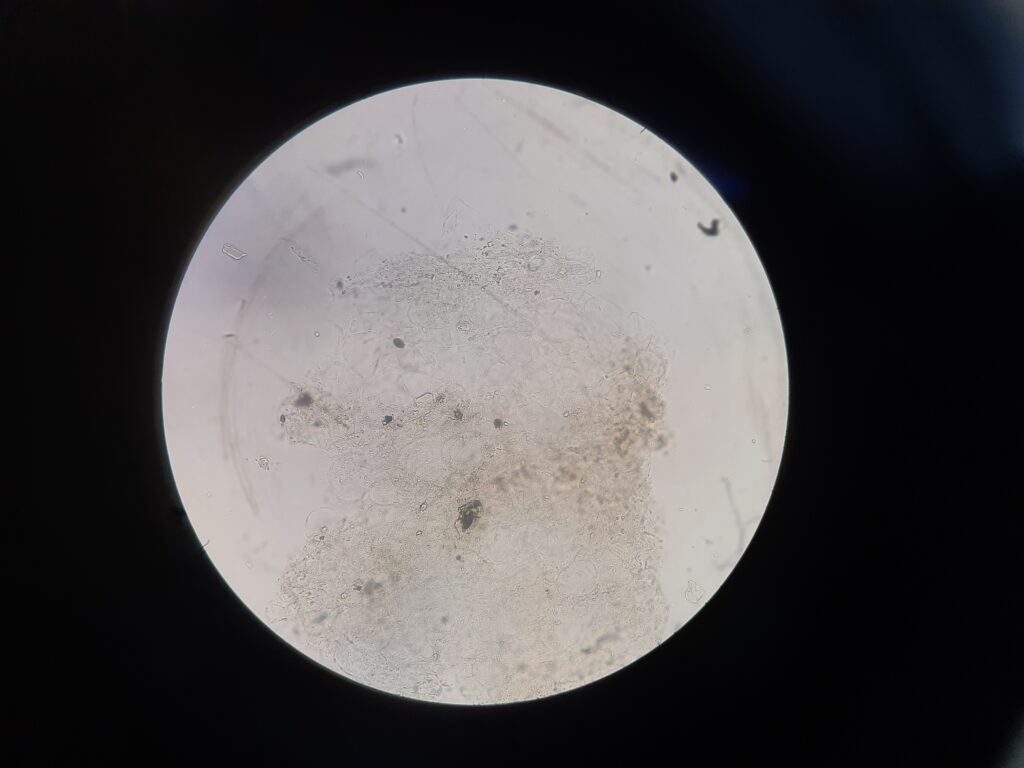
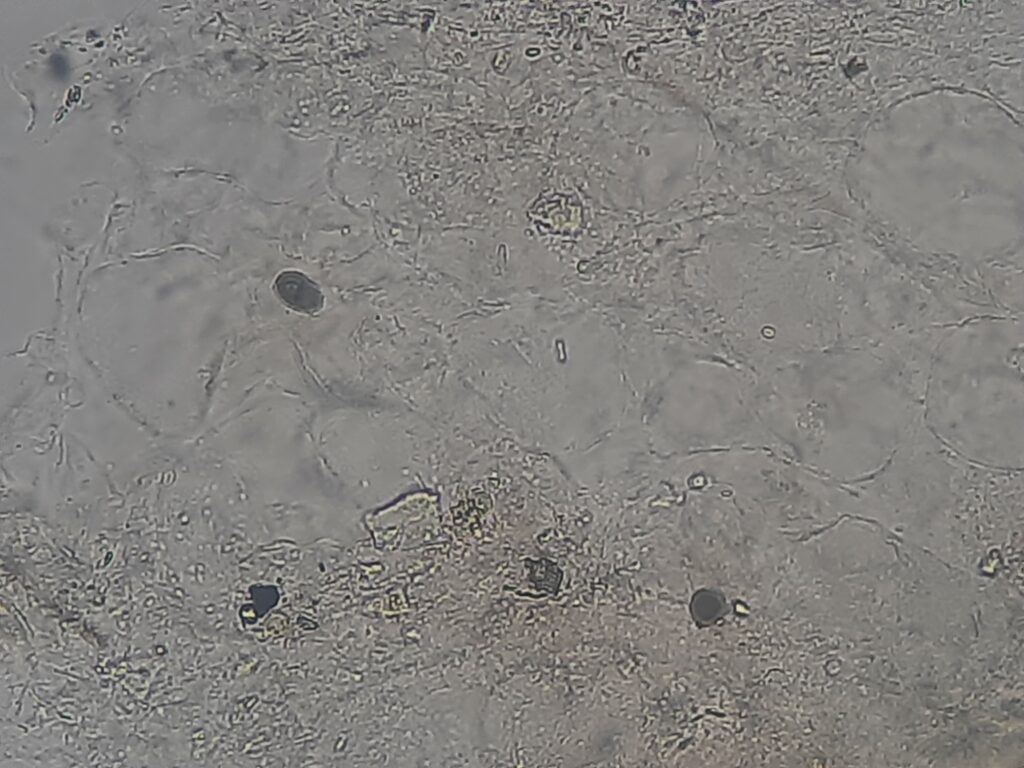
- KOH Mount: Reveals brown-pigmented, septate hyphae (in phaeohyphomycosis) or diagnostic thick-walled sclerotic bodies (also called “copper pennies” in chromoblastomycosis).
- Fungal Culture:
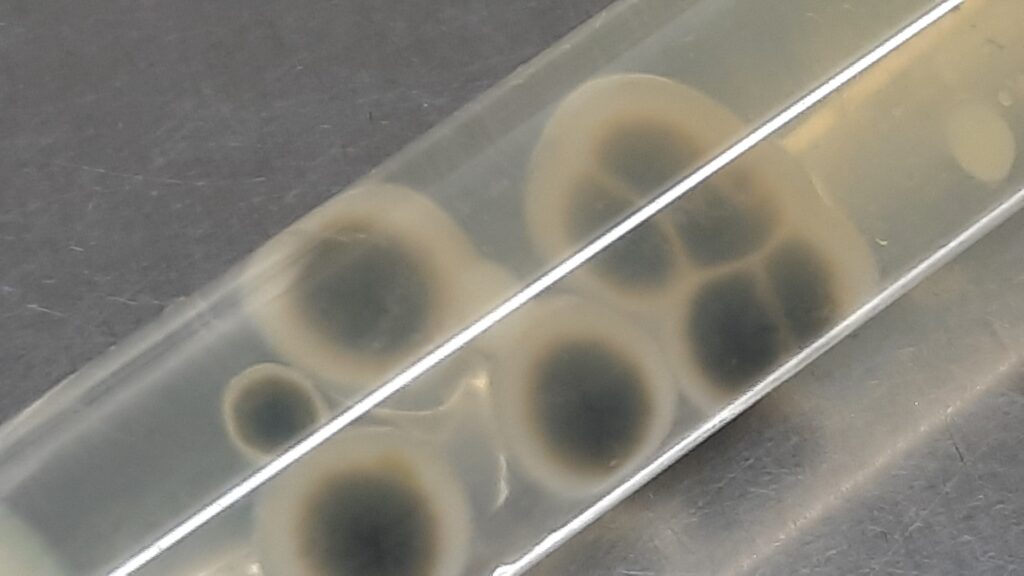
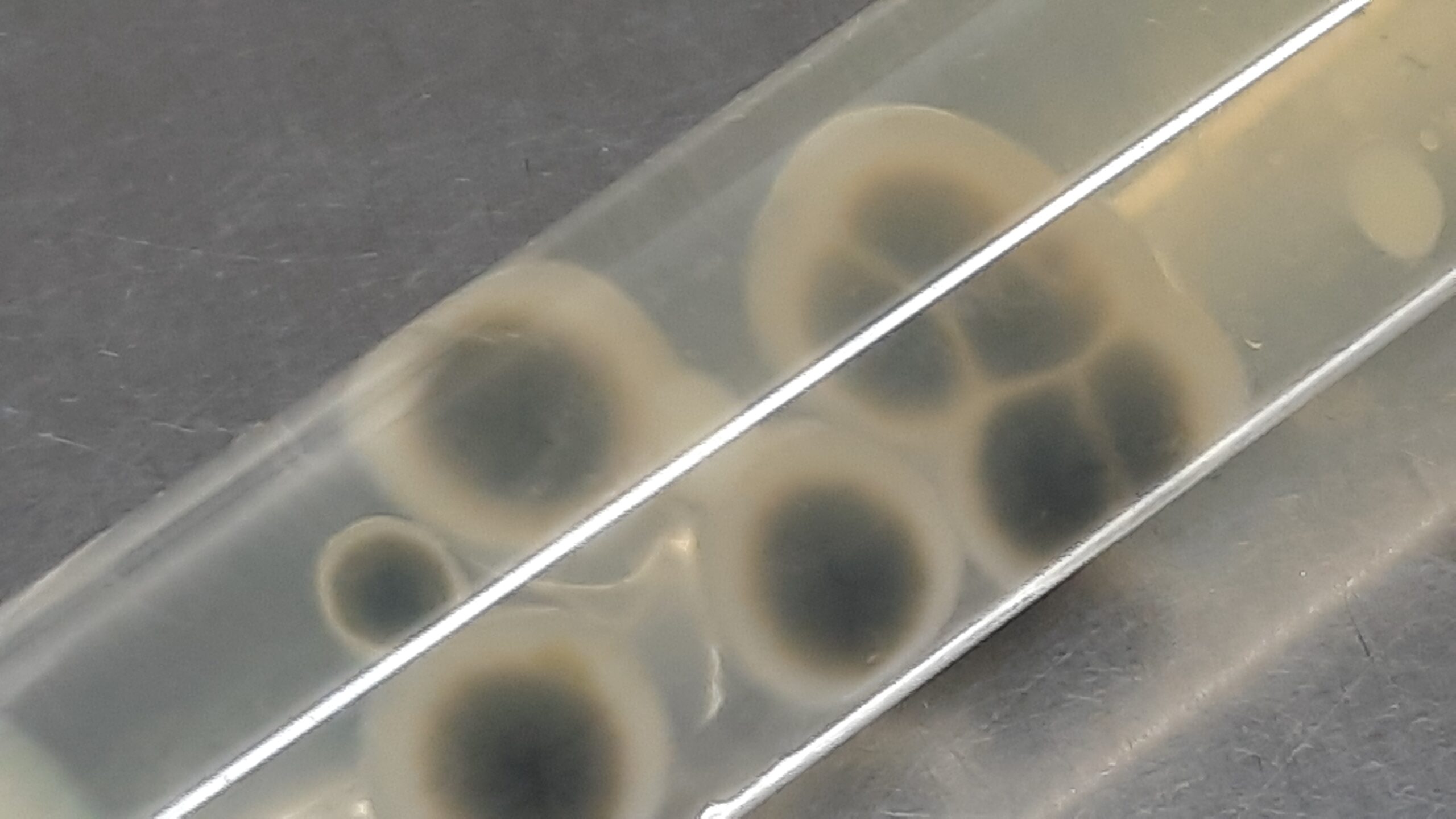
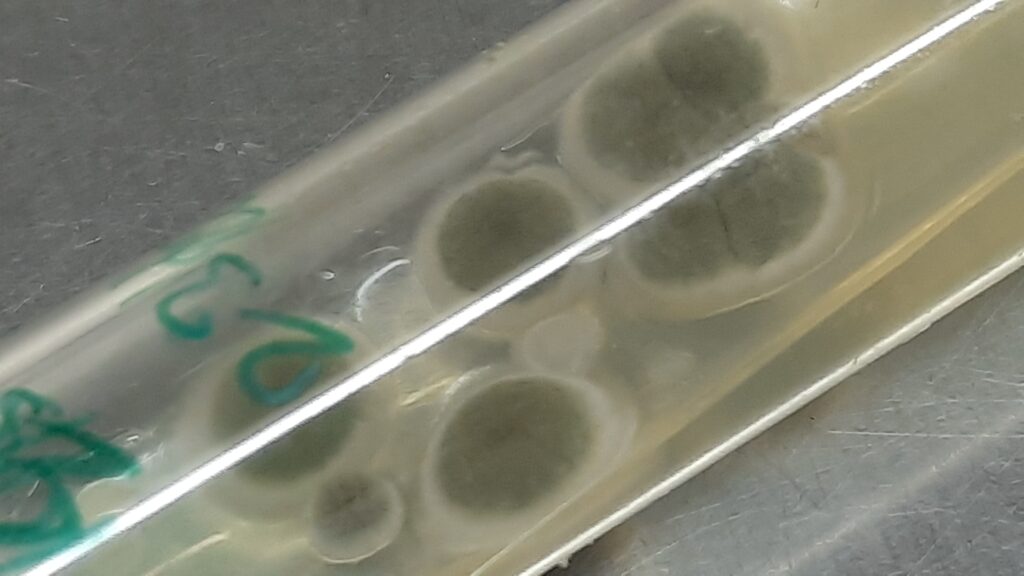
- Grown on Sabouraud Dextrose Agar (SDA).
- Colonies appear velvety, olive-gray to black with a dark reverse.
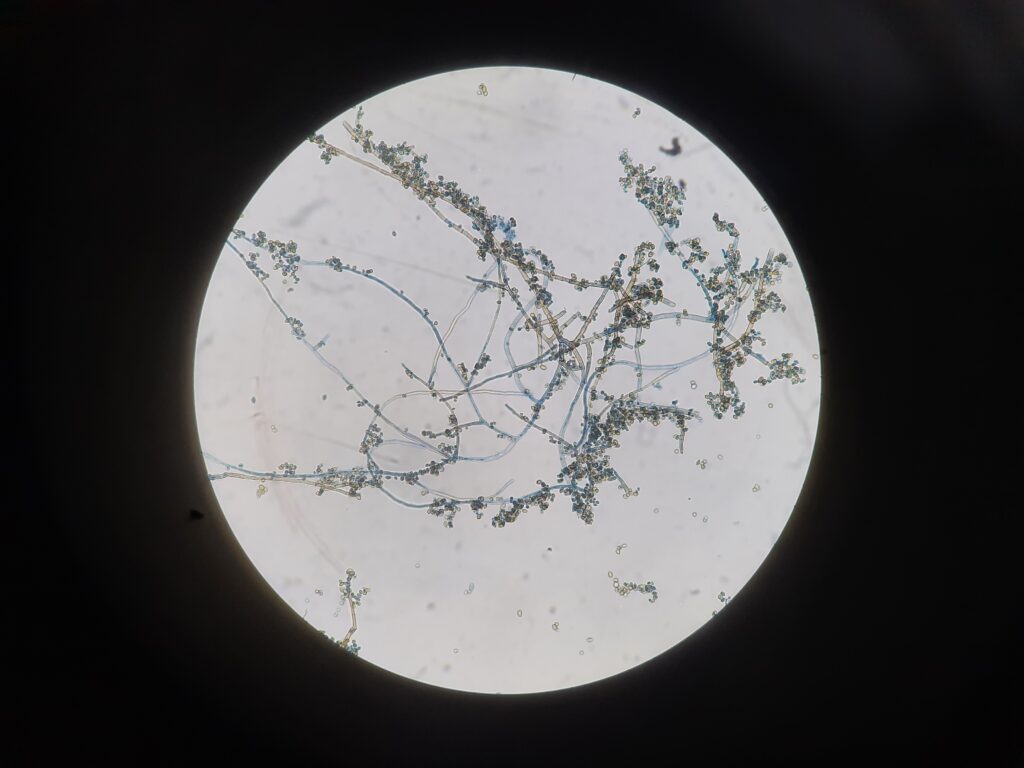
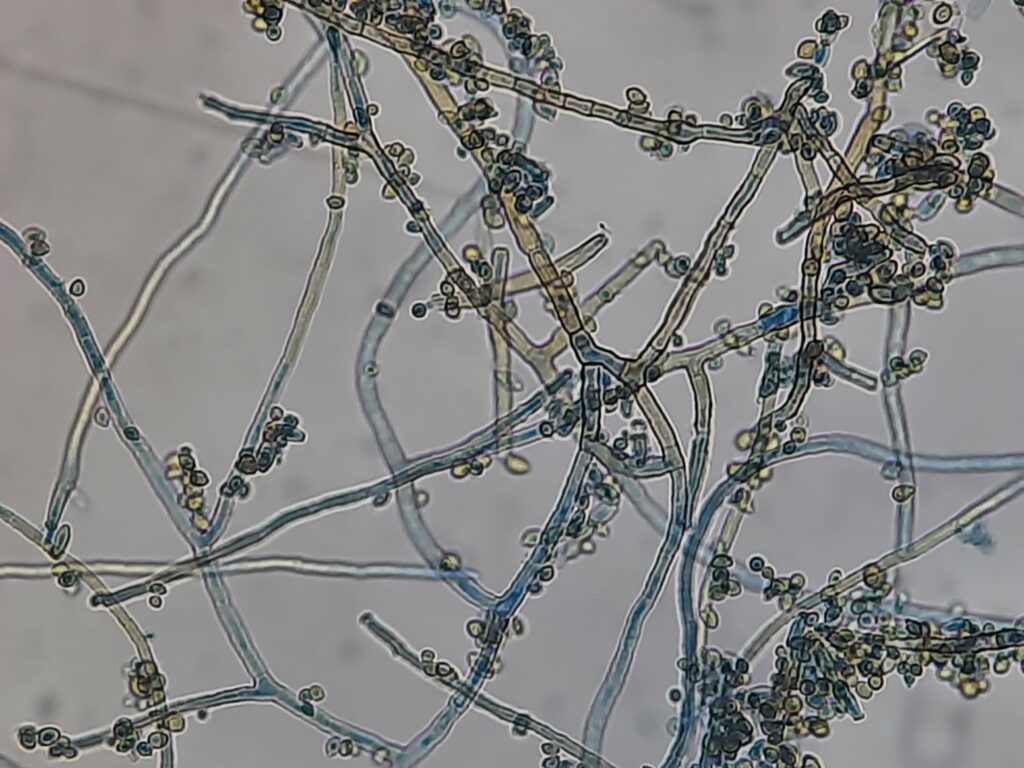
- Microscopic presentation displays long, sparsely branched, non-fragile chains of smooth, oval conidia. Unlike Cladosporium, they lack distinct “shield cells” or dark scars (hila).
- Molecular Testing: PCR and ITS region sequencing are used for definitive species-level identification.
Treatment
- C. bantiana (Brain Abscesses): Extremely difficult to manage, yielding a 65% to 70% mortality rate. The standard of care requires aggressive surgical excision combined with prolonged antifungal therapy.
- Antifungal Regimen:
- Liposomal Amphotericin B paired with Voriconazole (due to its excellent blood-brain barrier penetration) or Posaconazole.
- Flucytosine (5-FC) is sometimes added to this regimen.
- Fluconazole and Echinocandins are ineffective.
- C. carrionii (Skin): Responds well to long-term Itraconazole or Terbinafine taken for 6 to 12 months, frequently paired with cryotherapy.
Prevention
- Protective Wear: Wearing shoes, gloves, and long clothing during agricultural work or handling soil and cacti prevents traumatic inoculation.
- Laboratory Safety: Because C. bantiana poses an extreme risk of accidental inhalation, clinical laboratories must handle cultures under strict Biosafety Level 3 (BSL-3) conditions.
Keynote
Keynote Rule of Thumb: Think of Cladophialophora bantiana as “The Neurotropic Black Mold.” It is the most common cause of fungal brain abscesses in immunocompetent hosts. Any radiological ring-enhancing brain mass that mimics a tumor but presents with dark, septate hyphae on biopsy points directly to this pathogen.
Further Readings
- https://pmc.ncbi.nlm.nih.gov/articles/PMC6501261/
- https://drfungus.org/knowledge-base/cladophialophora-species/
- https://pmc.ncbi.nlm.nih.gov/articles/PMC5099432/
- https://pmc.ncbi.nlm.nih.gov/articles/PMC5553499/
- https://pmc.ncbi.nlm.nih.gov/articles/PMC10587696/
- http://archive.sciendo.com/ROMNEU/romneu.2014.21.issue-1/romneu-2014-0007/romneu-2014-0007.pdf
- https://www.canada.ca/en/public-health/services/laboratory-biosafety-biosecurity/pathogen-safety-data-sheets-risk-assessment/cladophialophora-bantiana.html
- https://pmc.ncbi.nlm.nih.gov/articles/PMC2104744/
- https://pmc.ncbi.nlm.nih.gov/articles/PMC8552180/
- https://www.msjonline.org/index.php/ijrms/article/view/2051
- https://pmc.ncbi.nlm.nih.gov/articles/PMC8789348/
- https://www.sciencedirect.com/topics/immunology-and-microbiology/cladophialophora-carrionii
- https://ijdvl.com/disseminated-cutaneous-phaeohyphomycosis-due-to-cladophialophora-bantiana/