Cladophialophora: Introduction, Pathogenicity, Lab Diagnosis, Treatment, Prevention, and Keynote
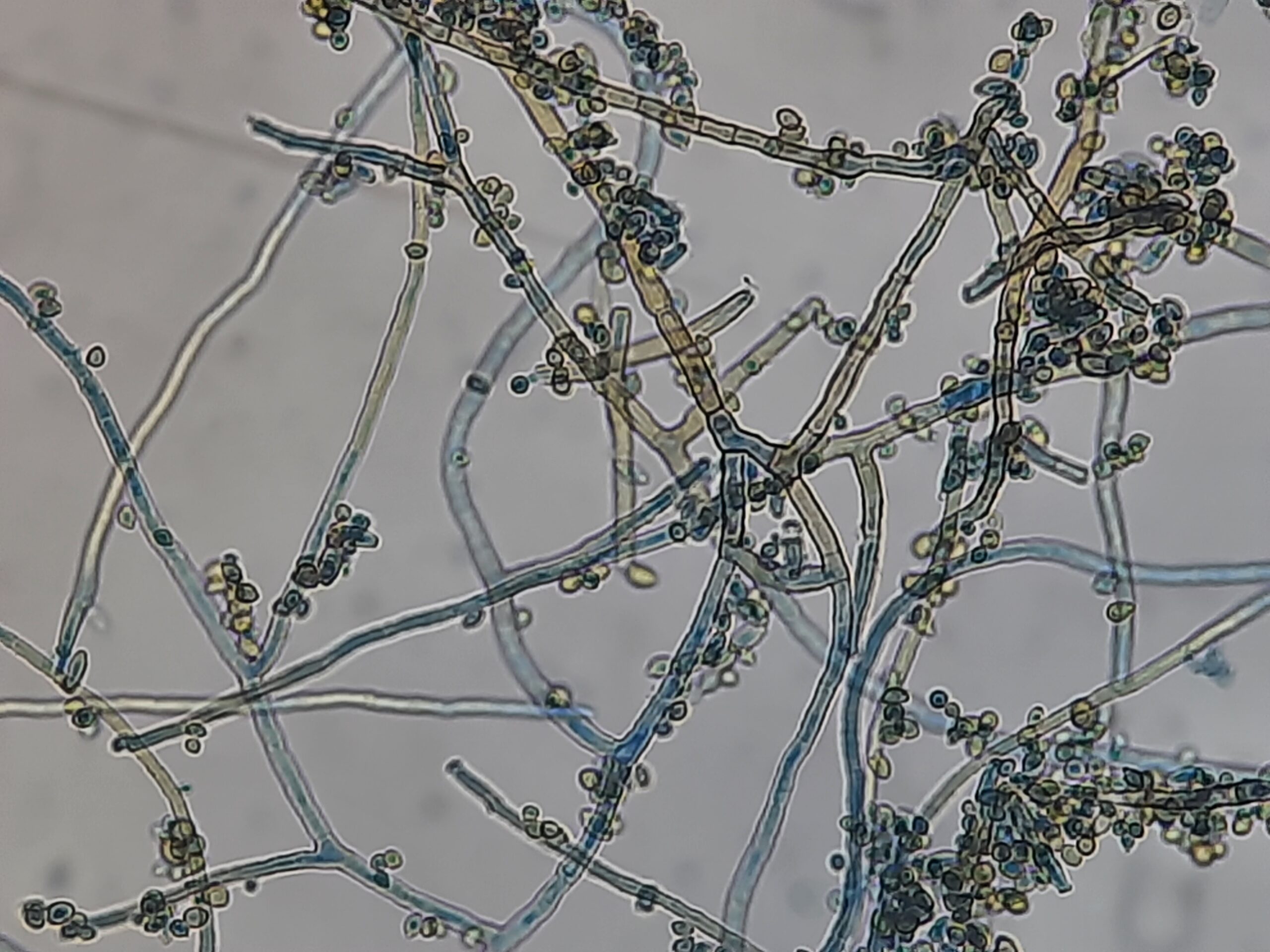
The image displays a network of pale brown, pigmented, septate hyphae producing highly branched chains of spores of Cladophialophora

Introduction Pathogenicity Lab Diagnosis Treatment Prevention Keynote Keynote Rule of Thumb: Think of Cladophialophora bantiana as “The Neurotropic Black Mold.” It is the most common cause of fungal brain abscesses in immunocompetent hosts. Any radiological ring-enhancing brain mass that mimics a tumor but presents with …
Read more

Microsporum ferrugineum: Introduction, Morphology, Pathogenicity, Lab Diagnosis, Treatment, Prevention, and Keynotes

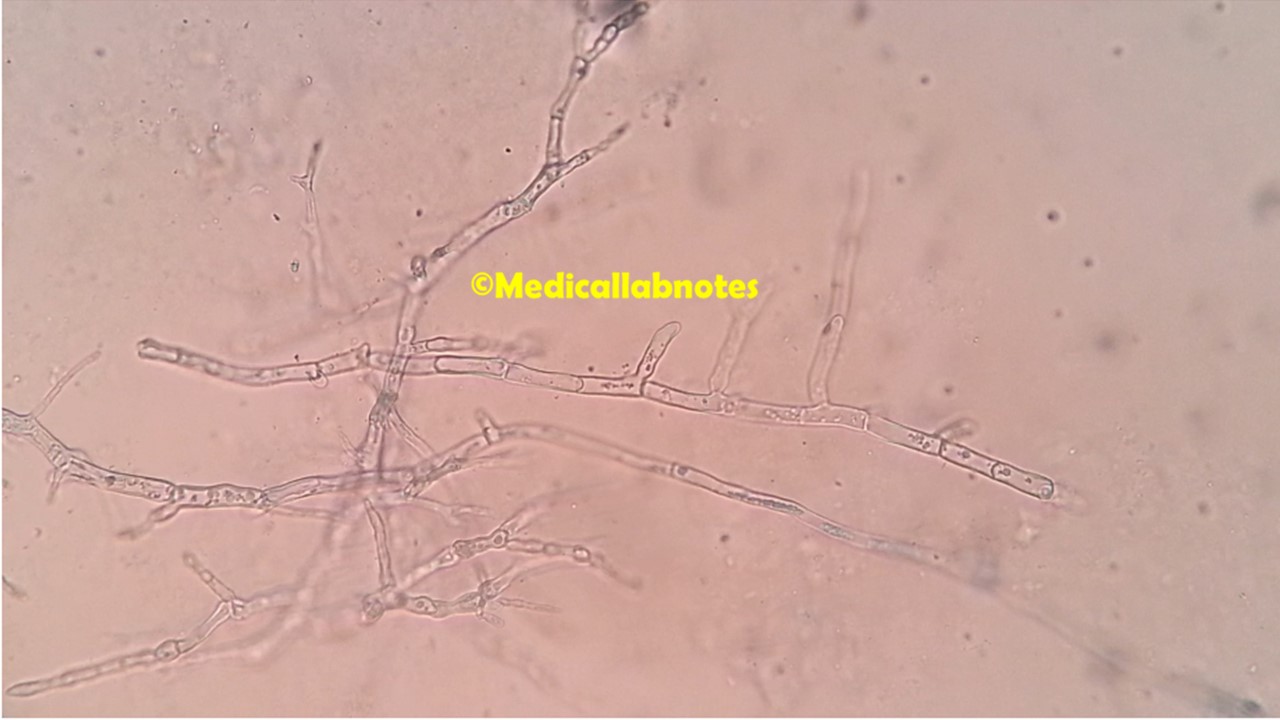
Microsporum ferrugineum in LPCB taese mount of culture microscopy showing typical bamboo hyphae and lacking production of both microconidia and macroconidia

Introduction Microsporum ferrugineum is a species of dermatophytic fungus that belongs to the genus Microsporum. Dermatophytes are a group of fungi that are capable of infecting and colonizing the outer layers of the skin, hair, and nails, causing various dermatophytosis or “ringworm” infections in humans …

Read more

Trichophyton mentagrophytes: Introduction, Morphology, Pathogenicity, Lab Diagnosis, Treatment, Prevention, and Keynotes

Colony morphology of Trichophyton mentagrophytes on dermatophyte test medium (DTM) plate and tube

Introduction Trichophyton mentagrophytes is a dermatophyte fungus belonging to the genus Trichophyton, which is known for causing various skin infections in humans and animals. It is an anthropophilic fungus, meaning it primarily infects humans, but it can also infect animals like rodents and domesticated pets. …

Read more