Streptococcus mitis: Introduction, Morphology, Pathogenicity, Lab Diagnosis, Treatment, Prevention, and Keynotes
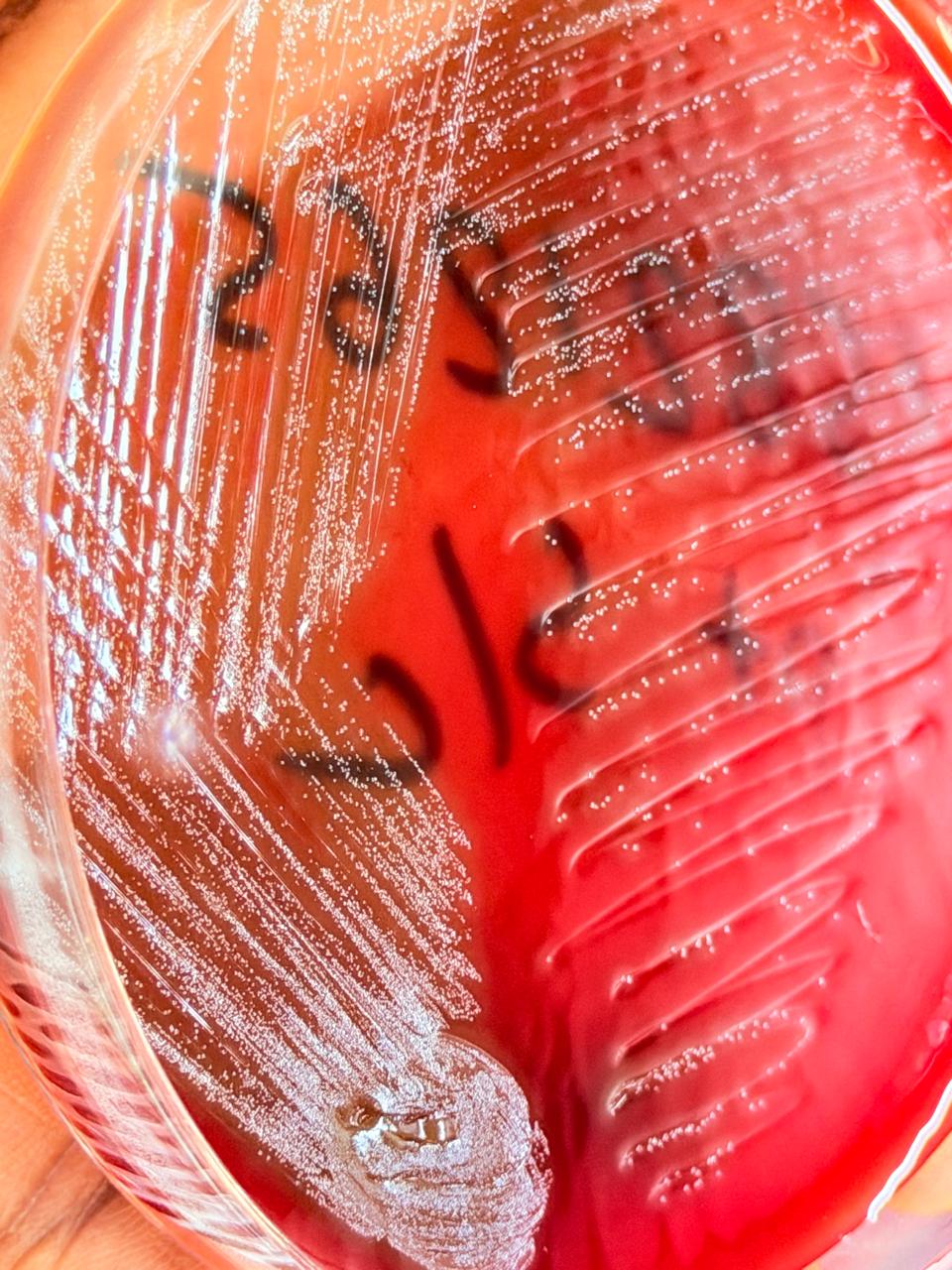
Streptococcus mitis colony morphology on blood agar

Introduction Streptococcus mitis is a Gram-positive, alpha-hemolytic bacterium commonly found as a harmless commensal in the human oral cavity, but it can act as an opportunistic pathogen causing severe infections like infective endocarditis. Morphology Pathogenicity Lab Diagnosis Treatment Prevention Keynotes Further Reading
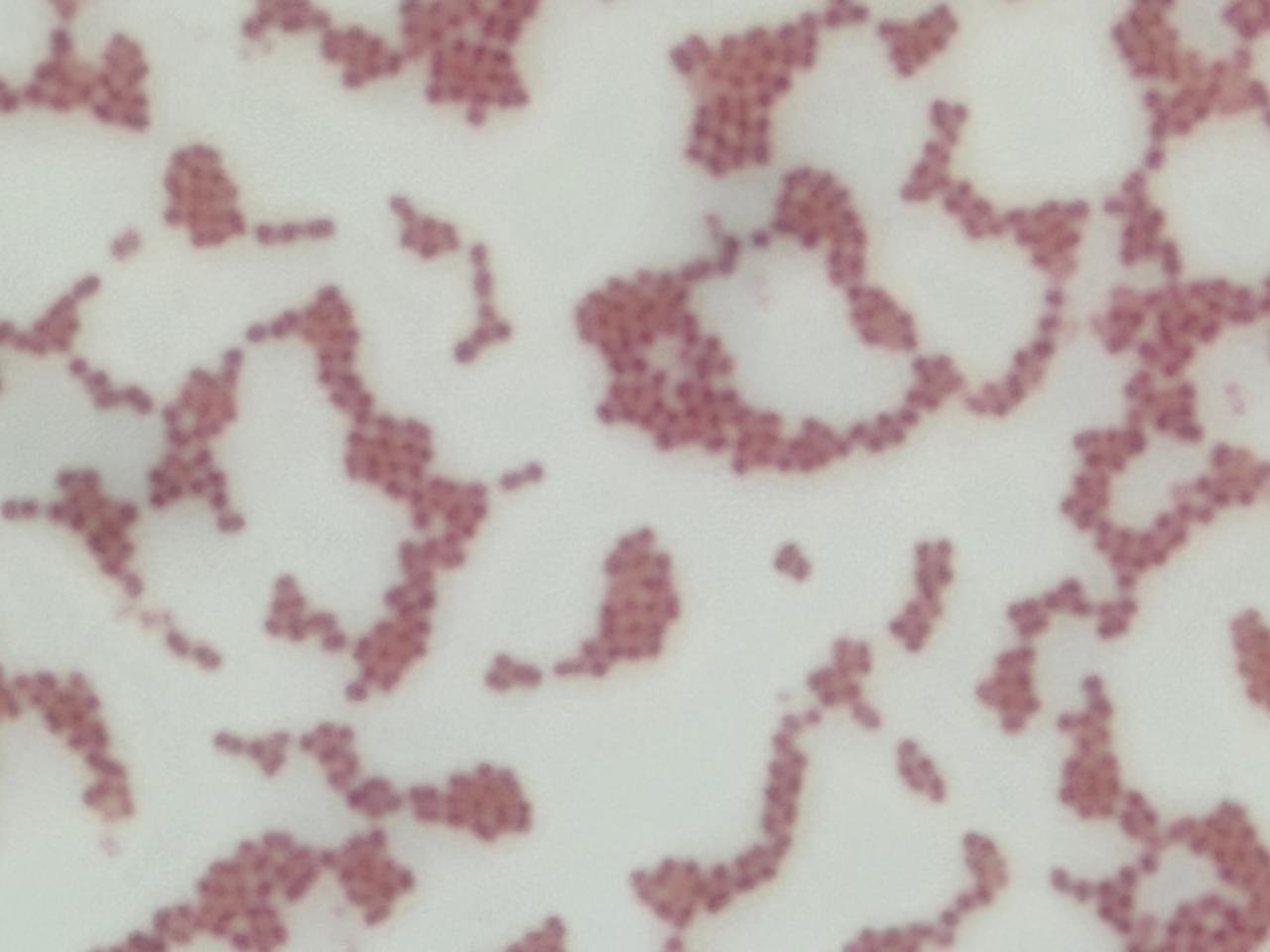
Acinetobacter baumannii complex-Introduction, Species in this group, Morphology, Pathogenicity, Lab Diagnosis, Treatment, Prevention, and Keynotes

Gram-negative coccobacilli (often in pairs) of Acinetobacter baumannii complex

Introduction The Acinetobacter baumannii complex (ABC) is a group of highly resilient, opportunistic Gram-negative bacteria that pose a critical threat in healthcare settings. Classified as an “ESKAPE” pathogen, it is a leading cause of severe hospital-acquired (nosocomial) infections. The World Health Organization (WHO) categorizes carbapenem-resistant …

Read more

Streptococcus agalactiae (GBS): Introduction, Pathogenicity, Lab Diagnosis, Treatment, and Keynotes

Gram-positive cocci in chains Streptococcus agalactiae (GBS)

Introduction Streptococcus agalactiae, also known as Group B Streptococcus (GBS), is a Gram-positive, beta-hemolytic coccus arranged in chains. It is a major cause of neonatal sepsis, meningitis, and infections in pregnant women, and an emerging pathogen in immunocompromised adults. GBS commonly colonizes the gastrointestinal and …

Read more