Acinetobacter baumannii complex-Introduction, Species in this group, Morphology, Pathogenicity, Lab Diagnosis, Treatment, Prevention, and Keynotes
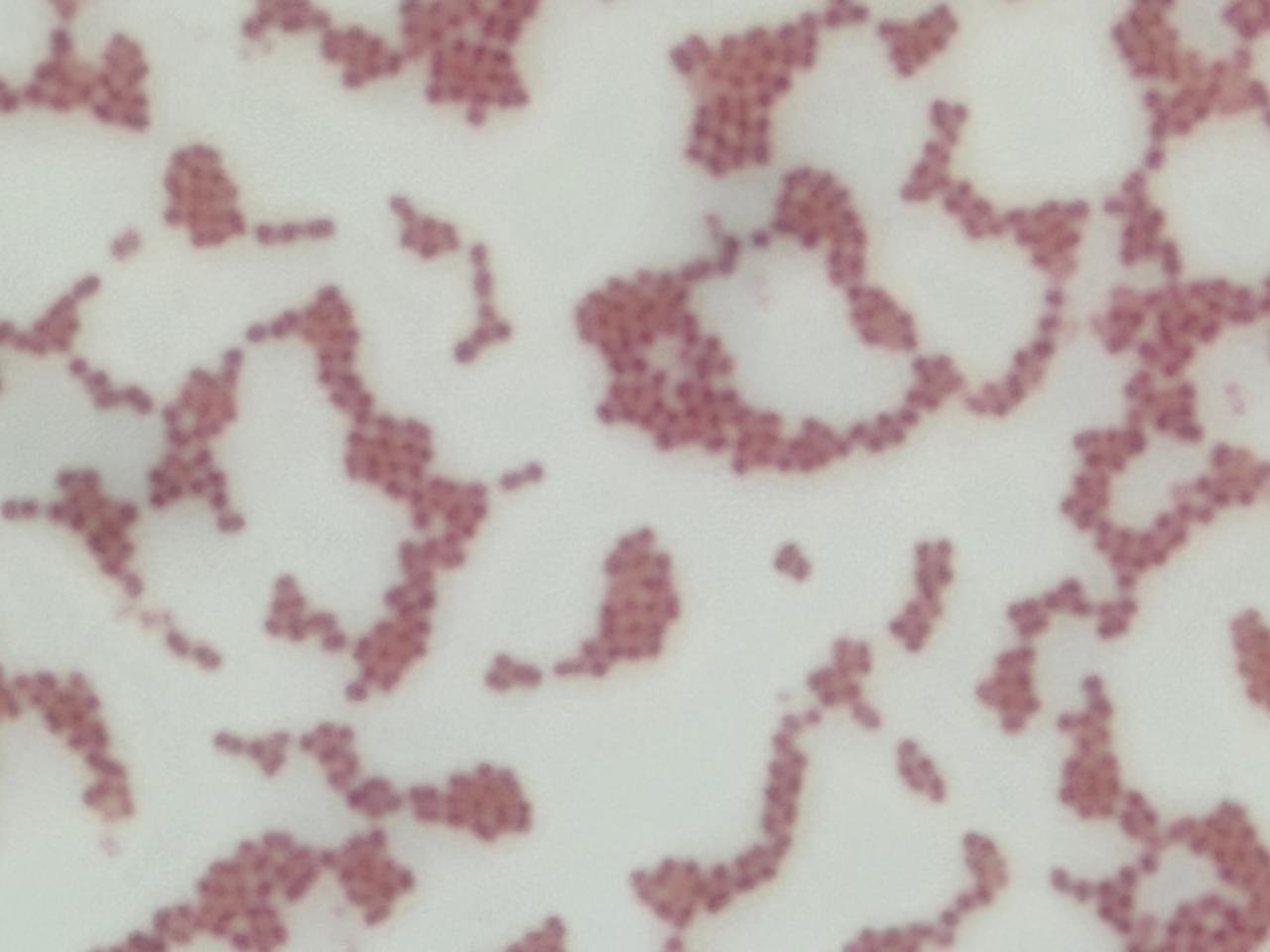
Gram-negative coccobacilli (often in pairs) of Acinetobacter baumannii complex

Introduction The Acinetobacter baumannii complex (ABC) is a group of highly resilient, opportunistic Gram-negative bacteria that pose a critical threat in healthcare settings. Classified as an “ESKAPE” pathogen, it is a leading cause of severe hospital-acquired (nosocomial) infections. The World Health Organization (WHO) categorizes carbapenem-resistant …

Read more

Fungal Culture of Clinical Samples: Introduction, Principle, Clinical Significance, and Keynotes

Body fluid and sputum for culture

Introduction Fungal culture is the gold standard method for the detection and identification of pathogenic fungi in clinical microbiology. It is essential for diagnosing superficial, subcutaneous, and systemic mycoses. Clinical specimens such as blood, sputum, bronchoalveolar lavage (BAL), urine, cerebrospinal fluid (CSF), skin scrapings, nail …

Read more

Mycosel Agar: Introduction, Principles, Application, Keynotes, and further Readings

Mycosel Agar Introduction, Principles, Application, Keynotes, and further Readings

Introduction Mycosel Agar is a selective culture medium to isolate pathogenic fungi from samples containing a mix of fungi and bacteria. It’s designed to suppress the growth of non-pathogenic fungi and bacteria, allowing for the isolation and identification of pathogenic fungi.  Principle Cycloheximide inhibits the growth …

Read more

Group D streptococci: Introduction, Morphology, Pathogenicity, Lab Diagnosis, Treatment, Prevention, and Keynotes

Gram positive cocci in singles, pairs, and chains of Group D streptococci

Introduction Group D streptococci constitute a diverse group of bacteria found in humans. Furthermore, they inhabit the gastrointestinal tract reliably. They reside in the female genital tract, too. Moreover, they play a role in opportunistic infections frequently. They cause endocarditis in some patients. Additionally, they …

Read more

Streptococcus mutans: Introduction, Morphology, Pathogenicity, Lab Diagnosis, Treatment, Prevention, and Keynotes

Streptococcus mutans in wet mount of culture microscopic examination

Introduction Streptococcus mutans is a Gram-positive bacterium that colonizes the human oral cavity. Furthermore, it plays a central role in dental plaque formation. The bacterium adheres to tooth surfaces and forms robust biofilms. Moreover, it metabolizes sugars to produce acids that erode enamel. Additionally, researchers …

Read more

Foley Catheter Culture and Sensitivity- Introduction, Report, Clinical Significance, Common Pathogens, and Keynotes

Foley Catheter Culture and Sensitivity- Introduction, Report, Clinical Significance, Common Pathogens, and Keynotes

Introduction The Foley catheter culture and sensitivity test identifies bacteria from catheterized urine samples. Additionally, it detects infections linked to catheter use. Furthermore, clinicians order the test for precise diagnosis. Moreover, the test distinguishes contamination from true infection. Consequently, it improves patient management. Report The …

Read more