Pseudomonas putida: Introduction, Morphology, Pathogenicity, Lab Diagnosis, Treatment, and Prevention
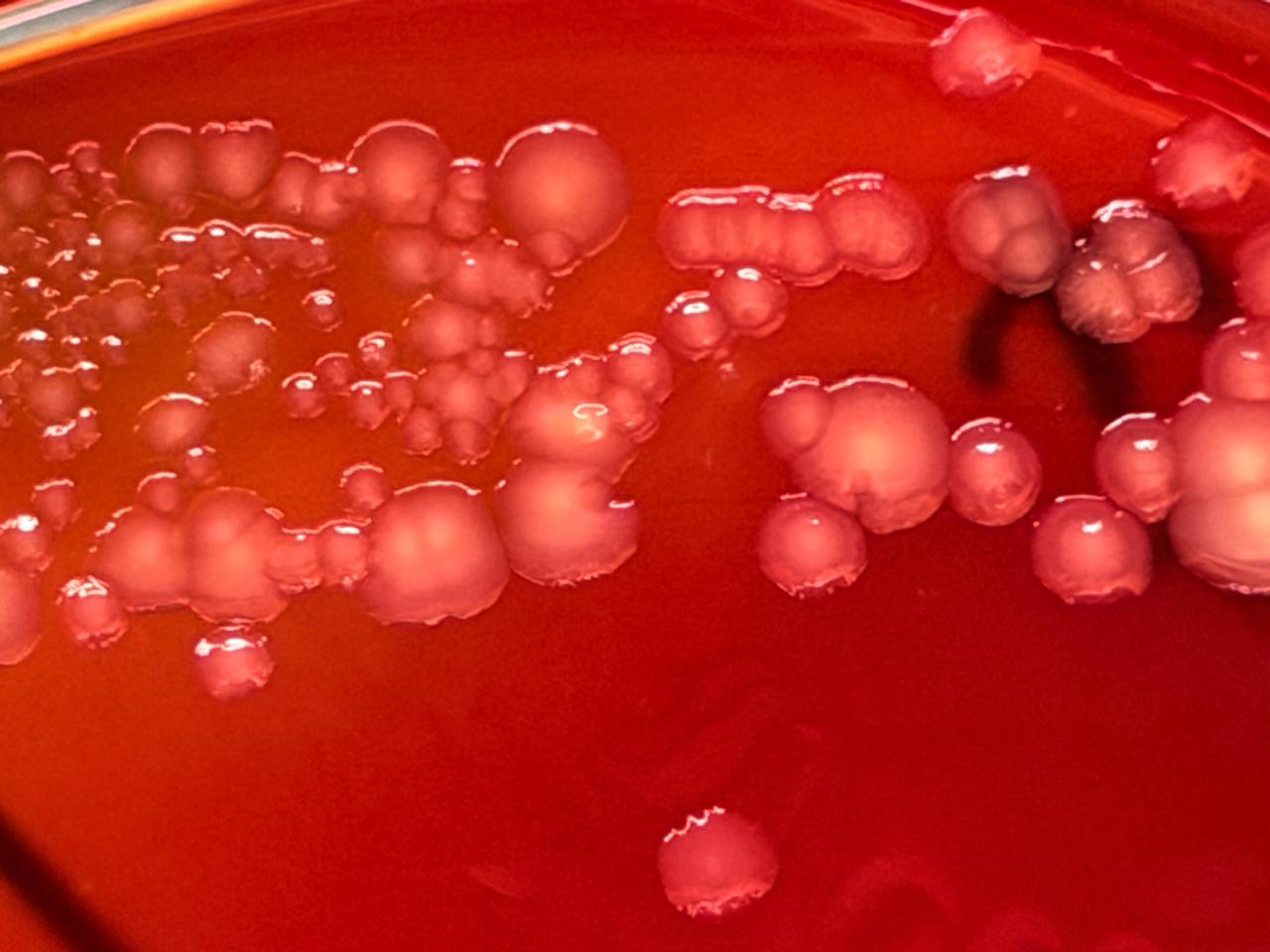
Pseudomonas putida colony morphology on blood agar after 48 hours of incubation

Introduction Pseudomonas putida is a versatile, Gram-negative, rod-shaped bacterium primarily known for its bioremediation capabilities but recognized as a rare opportunistic human pathogen. Found globally in soil, water, and plant roots, it thrives in diverse environments due to its unique metabolic endurance. Morphology and Characteristics …
Read more

Alcaligenes faecalis: Introduction, Morphology, Pathogenicity, Lab Diagnosis, Treatment, Prevention, and Keynotes

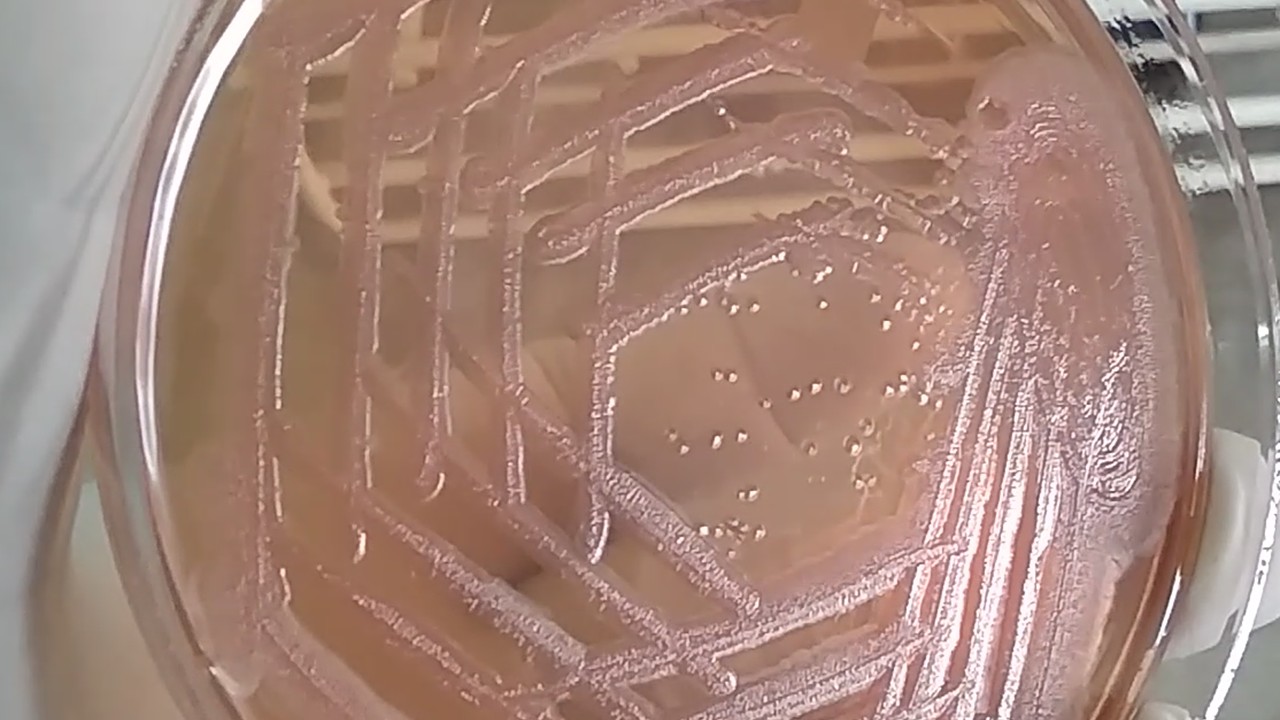
Alcaligenes faecalis growth on MacConkey agar

Introduction Alcaligenes faecalis is a Gram-negative, aerobic, rod-shaped bacterium primarily found in water and soil, but also as a commensal in the human intestinal tract. While it is generally nonpathogenic, it is a significant opportunistic pathogen, particularly in hospital settings where it thrives in moist …

Read more

Pseudomonas fluorescens: Introduction, Morphology, Pathogenicity, Lab Diagnosis, Treatment, Prevention, and Keynotes

Gram negative rods (GNRs) of Pseudomonas fluorescens in Gram staining of culture

Introduction Pseudomonas fluorescens inhabits diverse environments and thrives in soil and water. Moreover, it plays a significant role in nutrient cycling. The bacterium exists in numerous ecological niches and adapts quickly to changes. Furthermore, researchers study it for its beneficial and harmful properties. It interacts …

Read more

Quorum Sensing: Introduction, Its Role in Virulence, and Possibilities for Its Control, and Keynotes

Another organism responsible for quorum sensing- Staphylococcus aureus and its growth on blood agar of clinical specimen, pus

Introduction Quorum sensing (QS) is a sophisticated cell-to-cell communication system used by bacteria to coordinate group behaviors based on the population density. It enables bacterial cells to communicate and synchronize their activities by detecting and responding to small signaling molecules called autoinducers. In quorum sensing, …

Read more

Biofilm: Introduction, Composition, Application, and Keynotes

Biofilm- Introduction, Composition, Application, and Keynotes

Introduction Biofilm refers to a complex community of microorganisms, such as bacteria, fungi, or algae, that adhere to surfaces and are encased within a self-produced matrix of extracellular polymeric substances (EPS). These microorganisms form a structured, organized, and protective community within the biofilm. Key points …

Read more