Pseudomonas putida: Introduction, Morphology, Pathogenicity, Lab Diagnosis, Treatment, and Prevention
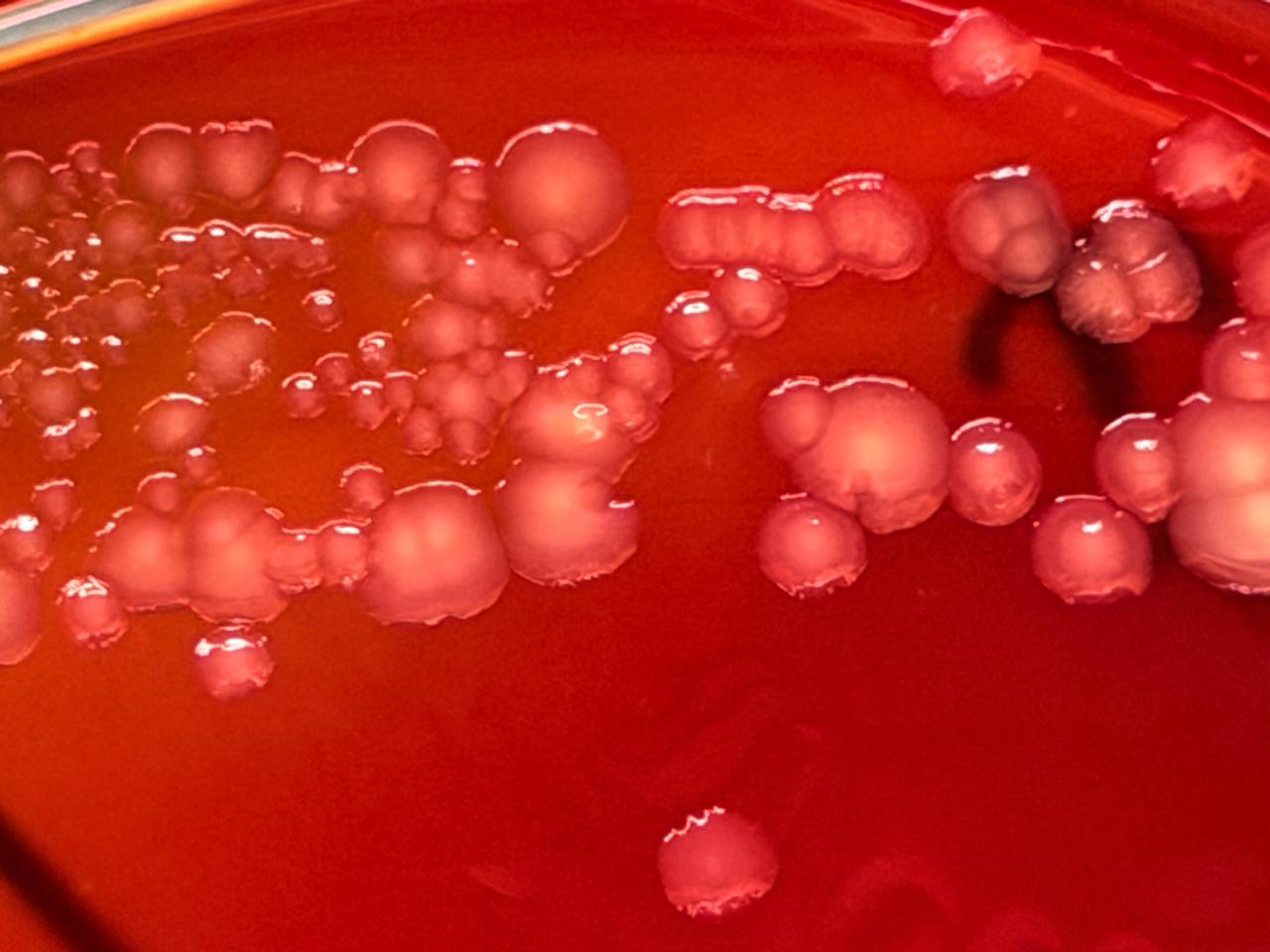
Pseudomonas putida colony morphology on blood agar after 48 hours of incubation

Introduction Pseudomonas putida is a versatile, Gram-negative, rod-shaped bacterium primarily known for its bioremediation capabilities but recognized as a rare opportunistic human pathogen. Found globally in soil, water, and plant roots, it thrives in diverse environments due to its unique metabolic endurance. Morphology and Characteristics …

Read more

Pseudomonas fluorescens: Introduction, Morphology, Pathogenicity, Lab Diagnosis, Treatment, Prevention, and Keynotes

Gram negative rods (GNRs) of Pseudomonas fluorescens in Gram staining of culture

Introduction Pseudomonas fluorescens inhabits diverse environments and thrives in soil and water. Moreover, it plays a significant role in nutrient cycling. The bacterium exists in numerous ecological niches and adapts quickly to changes. Furthermore, researchers study it for its beneficial and harmful properties. It interacts …

Read more