
Introduction
Table of Contents
Alcaligenes faecalis is a Gram-negative, aerobic, rod-shaped bacterium primarily found in water and soil, but also as a commensal in the human intestinal tract. While it is generally nonpathogenic, it is a significant opportunistic pathogen, particularly in hospital settings where it thrives in moist environments like sinks, nebulizers, and ventilators.
Morphology
- Microscopic Appearance: It is a Gram-negative rod or coccobacillus.
- Motility: Highly motile via peritrichous flagella (hair-like structures distributed over the entire surface).
- Size: Typically ranges from 0.5–1.0 μm by 0.5–2.6 μm.
- Capsule/Spores: It is non-encapsulated and non-spore-forming.
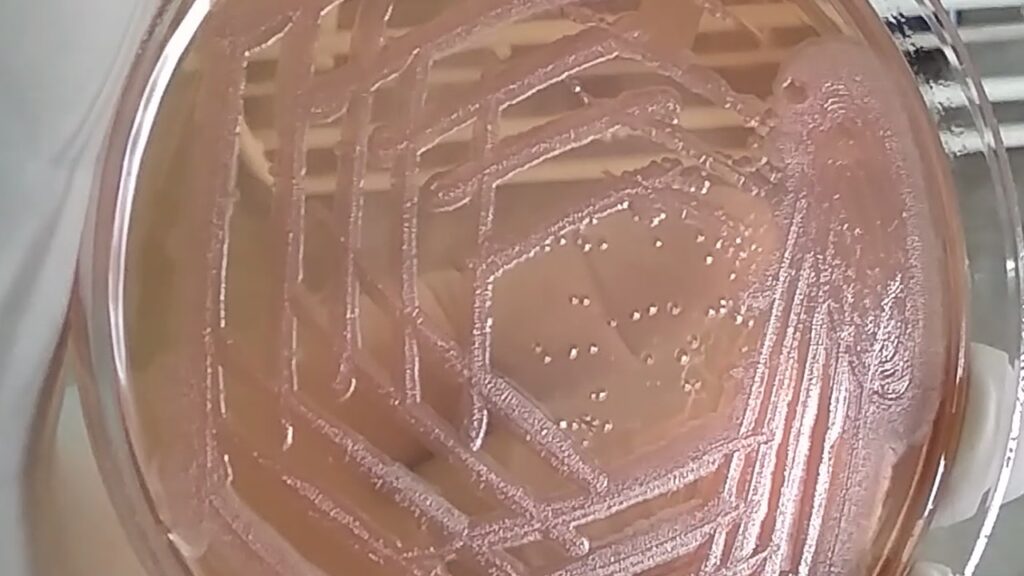
- Colony Features: On blood agar, it produces whitish, feathery colonies with irregular edges. Some strains produce a distinct fruity odor (historically leading to the name A. odorans).
Pathogenicity
Alcaligenes faecalis is an opportunistic pathogen that typically affects immunocompromised patients, neonates, and those with indwelling medical devices.
- Common Infections:
- Urinary Tract Infections (UTIs): Especially those associated with catheters.
- Bloodstream Infections (BSI): Bacteremia and sepsis, often linked to contaminated hospital equipment.
- Diabetic Foot Infections: Often found as part of a mixed microbial culture in chronic ulcers.
- Respiratory Infections: Including ventilator-associated pneumonia and exacerbations in patients with cystic fibrosis.
- Other Sites: Peritonitis (in peritoneal dialysis patients), meningitis, and postoperative endophthalmitis.
Laboratory Diagnosis
- Specimen Collection: Collected from blood, urine, sputum, wound swabs, or peritoneal fluid, depending on the infection site.
- Gram Stain: Reveals Gram-negative rods.
- Culture:
- MacConkey Agar: Grows as a non-lactose fermenter (colorless colonies).
- Blood Agar: Aerobic growth; typically non-hemolytic or occasionally alpha-hemolytic.
- Biochemical Tests:
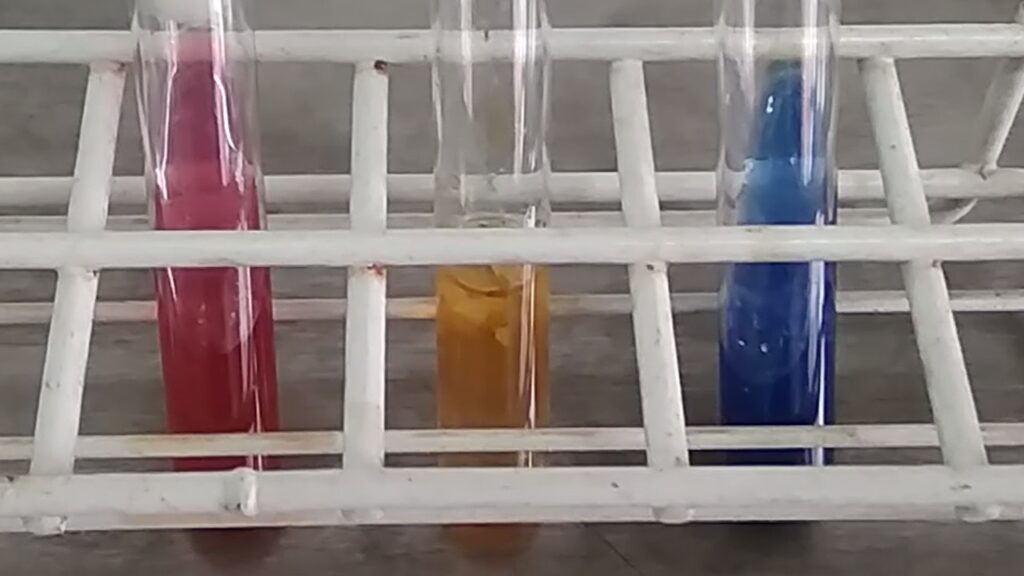
- Oxidase: Strongly positive.
- Catalase: Positive.
- Nitrate Reduction: Negative (unlike many other non-fermenters).
- Sugar Fermentation: Non-fermentative (does not ferment glucose).
- Advanced Identification: MALDI-TOF MS and 16S rRNA sequencing are the modern gold standards for rapid and accurate identification.
Treatment
Treatment is challenging due to inherent and acquired multidrug resistance.
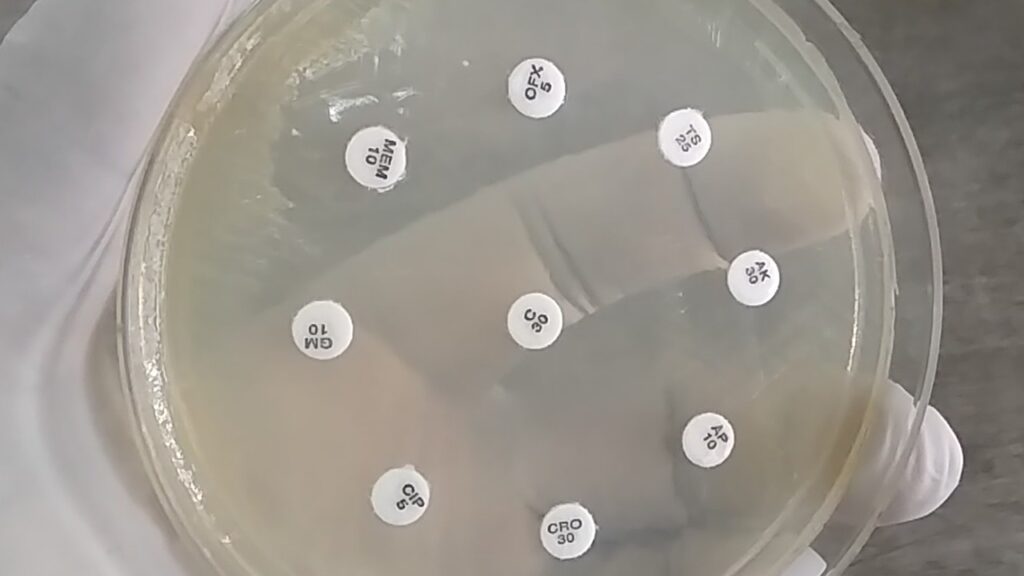
- Antibiotics: Strains are often susceptible to carbapenems (imipenem, meropenem), antipseudomonal penicillins, and trimethoprim-sulfamethoxazole.
- Resistance: Frequently resistant to all cephalosporins, aztreonam, and aminoglycosides.
- Note: There are currently no official EUCAST breakpoints for this species, so treatment must be guided by site-specific Minimum Inhibitory Concentration (MIC) values and expert consultation.
Prevention
- Environmental Control: Meticulous cleaning of hospital sinks and drains to prevent biofilm formation.
- Device Stewardship: Careful management and regular disinfection of nebulizers, respirators, and catheters.
- Hygiene: Strict adherence to hand hygiene and contact precautions for multi-drug-resistant cases.
Keynotes
- Industrial Use: Notable for its ability to detoxify arsenic (converting arsenite to arsenate) and is studied for bioremediation of heavy metals.
- Nitrogen Cycle: Acts as a heterotrophic denitrifier, capable of breaking down ammonia and nitrites.
- Alkaliphilic: Its name, “Alcaligenes,” refers to its ability to produce an alkaline reaction in culture media.
Further Reading
- https://pmc.ncbi.nlm.nih.gov/articles/PMC6656691/
- https://www.infectiousdiseaseadvisor.com/news/decreasing-susceptibility-of-alcaligenes-faecalis-to-common-antibiotics/
- https://www.youtube.com/watch?v=UQ9YJmDAKsk
- https://www.hartmann-science-center.com/en/hygiene-knowledge/pathogens-a-z/pathogens-1/alcaligenes-faecalis
- https://dc.etsu.edu/cgi/viewcontent.cgi?article=1878&context=honors
- https://pmc.ncbi.nlm.nih.gov/articles/PMC7659064/
- https://www.mchip.net/libweb/u46666/245091/Alcaligenes%20Faecalis%20Information%20Unknown%20Bacteria%20Report.pdf
- https://www.infectiousdiseaseadvisor.com/news/decreasing-susceptibility-of-alcaligenes-faecalis-to-common-antibiotics/
- https://www.sciencedirect.com/topics/biochemistry-genetics-and-molecular-biology/alcaligenes
- https://www.researchgate.net/publication/381859889_Alcaligenes_faecalis_A_bacterium_for_sustainable_management_of_environment
- https://www.sciencedirect.com/topics/immunology-and-microbiology/alcaligenes-faecalis