MDR ESKAPE-Introduction, Group of Pathogens, Clinical Importance, and Keynotes

Mucoid -lactose fermenting (MLF) colony of Klebsiella pneumonie on MacConkey agar of blood culture

Introduction MDR ESKAPE refers to a group of bacteria that resist multiple antibiotics. Firstly, these pathogens escape the effects of standard treatments. Moreover, they spread easily in healthcare settings. Additionally, they cause serious hospital-acquired infections. Consequently, clinicians face challenges treating these infections. Furthermore, MDR ESKAPE …

Read more

Enterococcus avium-Introduction, Morphology, Pathogenicity, Lab Diagnosis, Treatment, Prevention, and Keynote

Enterococcus avium colony morphology on CLED agar

Introduction Enterococcus avium is a Gram-positive bacterium commonly found in birds. However, it can also inhabit the gastrointestinal tracts of humans and animals. Although it is less prevalent than other Enterococcus species, E. avium has been identified as a nosocomial pathogen in humans. Notably, it …

Read more

Staphylococcus aureus MCQs Quiz: A Set of Questions, Options, and Answers

Introduction Here is a Staphylococcus aureus MCQs Quiz Set with questions, options, and answers. Staphylococcus aureus MCQs Quiz 1. What type of organism is Staphylococcus aureus? A) VirusB) Gram-positive bacteriumC) Gram-negative bacteriumD) Fungus 2. How does Staphylococcus aureus appear under Gram staining? A) Gram-negative rodsB) …

Read more

Klebsiella pneumoniae MCQs Quiz: A Set of Questions, Options, and Answers

Introduction Here is a Klebsiella pneumoniae MCQs Quiz Set with questions, options, and answers. Klebsiella pneumoniae MCQs Quiz 1. What type of organism is Klebsiella pneumoniae? A) VirusB) Gram-positive bacteriumC) Gram-negative bacteriumD) Fungus 2. What is the typical shape of Klebsiella pneumoniae? A) CocciB) BacilliC) …

Read more

Citrobacter werkmanii-Introduction, Morphology, Pathogenicity, Lab Diagnosis, Treatment, Prevention, and Keynote

Lactose fermenting colony of Citrobacter werkmanii

Introduction Citrobacter werkmanii is a gram-negative bacterium belonging to the genus Citrobacter. It is commonly found in the environment, including soil, water, and sewage. This bacterium is part of the normal flora of the human intestinal tract but can act as an opportunistic pathogen. C. …

Read more

Proteus penneri– Introduction, Morphology, Pathogenicity, Lab Diagnosis, Treatment, Prevention, and Keynote

Proteus penneri growth on CLED agar

Introduction Proteus penneri is a Gram-negative bacterium found in various environments, including water and soil. It belongs to the family Enterobacteriaceae, sharing characteristics with other Proteus species. However, it differs from its relatives, like Proteus mirabilis, in its biochemical properties. This species can cause infections …

Read more

E. aerogenes: Introduction, Morphology, Pathogenicity, Lab Diagnosis, Treatment, Prevention, and Keynotes

Enterobacter aerogenes colony morphology on CLED agar of urine culture

Introduction Enterobacter aerogenes is a bacterium belonging to the Enterobacteriaceae family, which includes several other important pathogens and opportunistic bacteria. E. aerogenes is a Gram-negative, rod-shaped bacterium that is commonly found in various environments, including soil, water, and the gastrointestinal tracts of humans and animals. …

Read more

Achromobacter xylosoxidans: Introduction, Morphology, Pathogenicity, Lab Diagnosis, Treatment, Prevention, and Keynotes

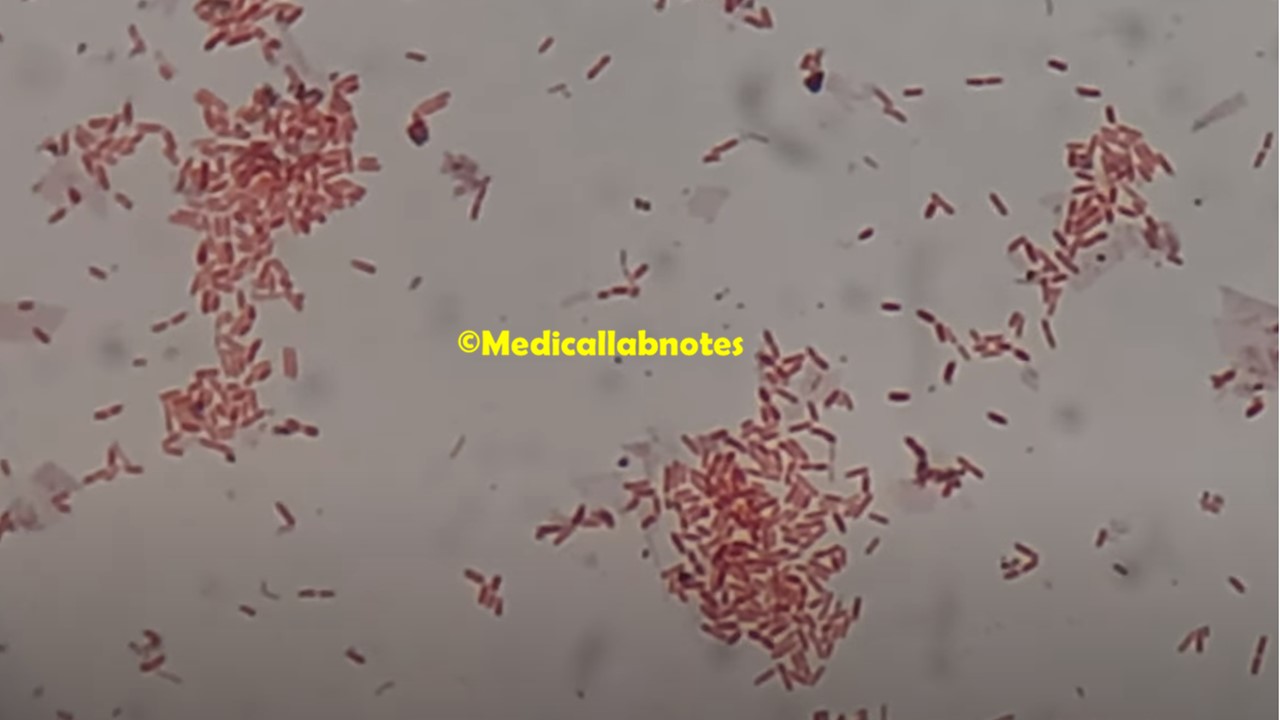
Gram negative rods (GNRs) or Gram negative bacilli (GNBs)of Achromobacter xylosoxidans in Gram staining of culture microscopy

Introduction Achromobacter xylosoxidans is a gram-negative, non-fermenting bacterium that belongs to the family Alcaligenaceae. It is an aerobic, rod-shaped bacterium known for its versatile metabolic capabilities and its widespread distribution in various environments, including soil, water, and hospital settings. Originally classified as Alcaligenes xylosoxidans, the …

Read more