Nocardia – Introduction, Morphology, Pathogenicity, Lab Diagnosis, Treatment, Prevention, and Keynotes

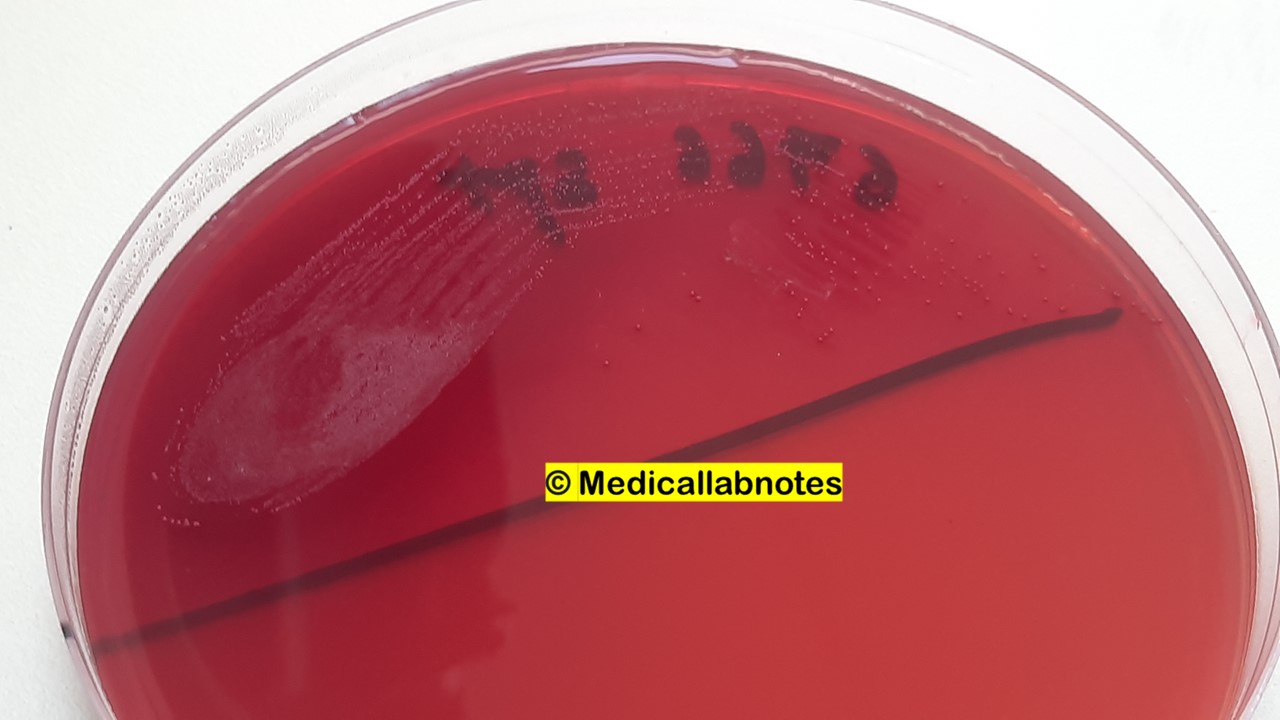
Nocardia species slow-growing, chalky white to tan, dry, and adherent colonies on blood agar

Introduction Nocardia is a genus of aerobic, gram-positive bacteria. It belongs to the actinomycetes group. These bacteria are partially acid-fast due to mycolic acid in their cell walls. They commonly appear as branching filamentous rods. Nocardia species are found in soil and water. They can …

Read more

Fusarium solani: Introduction, Morphology, Pathogenicity, Lab Diagnosis, Treatment, Prevention, and Keynotes

Macroconidia and conidiophores of Fusarium solani in LPCB tease mount of culture

Introduction Fusarium solani is a filamentous fungus belonging to the genus Fusarium. It is commonly found in the soil and is recognized as one of the most versatile and widespread species within the Fusarium genus. This fungus is known for its ecological importance, as it …

Read more

Streptococcus oralis:Introduction, Morphology, Pathogenicity, Lab Diagnosis, Treatment, Prevention, and Keynotes

Streptococcus oralis colony morphology on MacConkey agar

Introduction Streptococcus oralis is a gram-positive bacterium that belongs to the genus Streptococcus. It is a commensal bacterium that commonly inhabits the human oral cavity, along with other oral streptococci. S. oralis is considered a part of the normal oral microbiota and can be found …

Read more