
Introduction
Table of Contents
Myroides species are emerging, opportunistic, extensively drug-resistant Gram-negative bacteria that are gaining increasing clinical attention. Formerly classified under the genus Flavobacterium, they are notorious for causing hard-to-treat nosocomial infections.
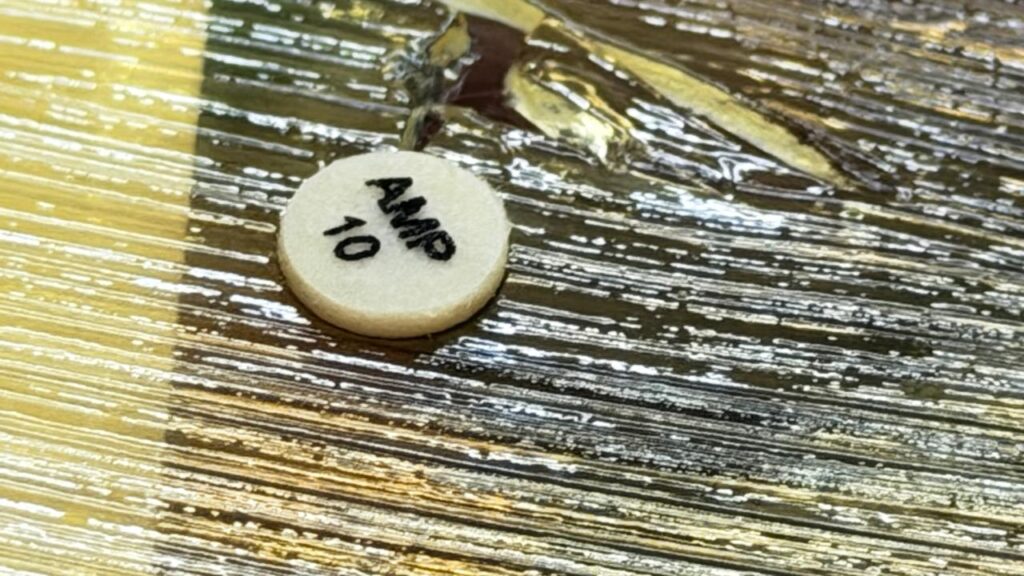
- Taxonomic Classification: Belong to the phylum Bacteroidota, class Flavobacteriia, order Flavobacteriales, and family Flavobacteriaceae. They were reclassified from Flavobacterium odoratum into the new genus Myroides in 1996.
- Etymology: Derived from the Greek word mýron (perfume) and Latin suffix oides (resembling), due to their characteristic sweet, fruity odor when grown in culture.
- Species: The genus comprises at least 13 recognized species.
- Clinical isolates: Predominantly Myroides odoratimimus and Myroides odoratus. M. injenensis and M. phaeus have also been linked to human infections.
- Environmental isolates: M. pelagicus, M. profundi, and M. marinus are commonly recovered from seawater and marine environments.
- Habitat: Ubiquitous in nature, primarily found in water ecosystems, soil, and wastewater. They can also transiently colonize the human gut.
Pathogenicity & Clinical Spectrum
- Nature of Pathogen: Historically considered low-virulence, opportunistic pathogens. However, their ability to form biofilms and secrete destructive enzymes significantly increases their clinical severity.
- Virulence Factors: Some species (like M. profundi) produce Myroilysin, a specialized metalloprotease possessing collagenase and elastinolytic activity that degrades host tissue matrix components.
- Risk Factors: Infections occur overwhelmingly in hospitalized, immunocompromised individuals, patients in the ICU, diabetics, those undergoing prolonged antibiotic therapy, and individuals with indwelling medical devices (e.g., urinary or central venous catheters). Rare cases have been documented in immunocompetent hosts following physical trauma or animal bites.
- Associated Infections:
- Catheter-associated urinary tract infections (UTIs) (most common)
- Skin and soft tissue infections (cellulitis, wound infections)
- Bacteremia and life-threatening septic shock
- Deep-seated infections like endocarditis, pericarditis, ventriculitis, and liver abscesses.
Laboratory Diagnosis
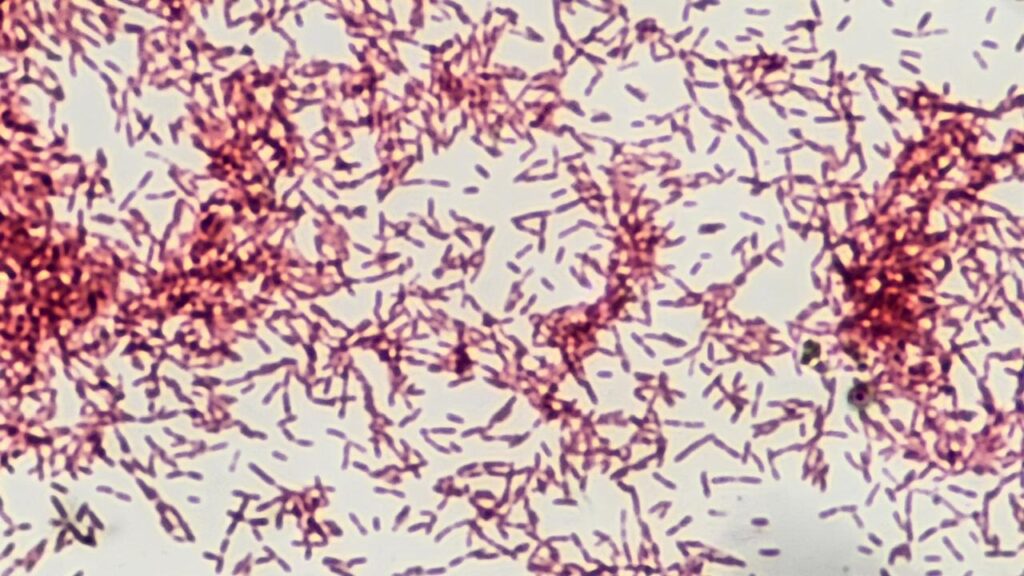
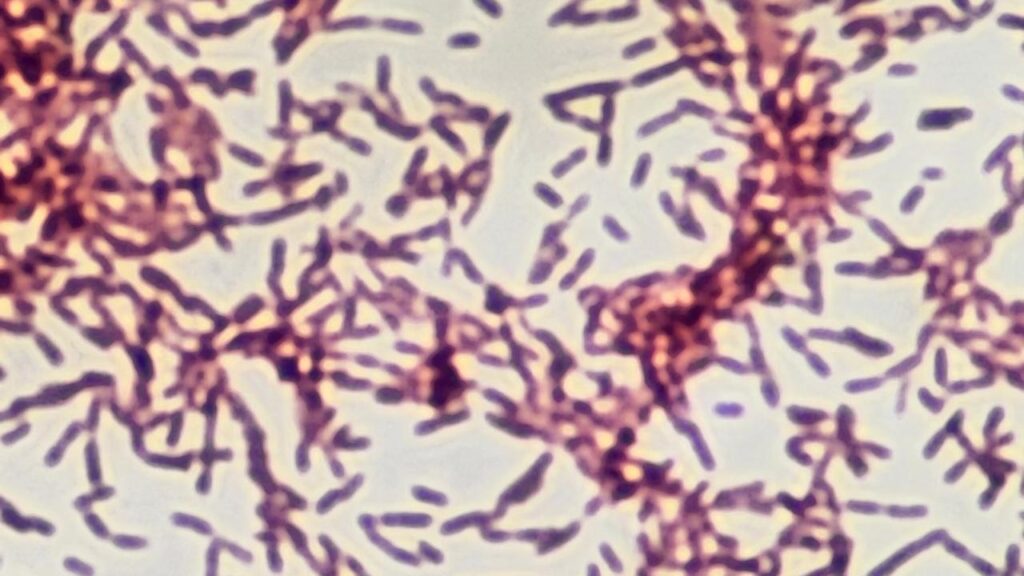
- Morphology & Staining: Gram-negative rods (0.5 x 1–2 μm) that are strictly aerobic and non-motile (lacking even the gliding motility seen in Flavobacterium).
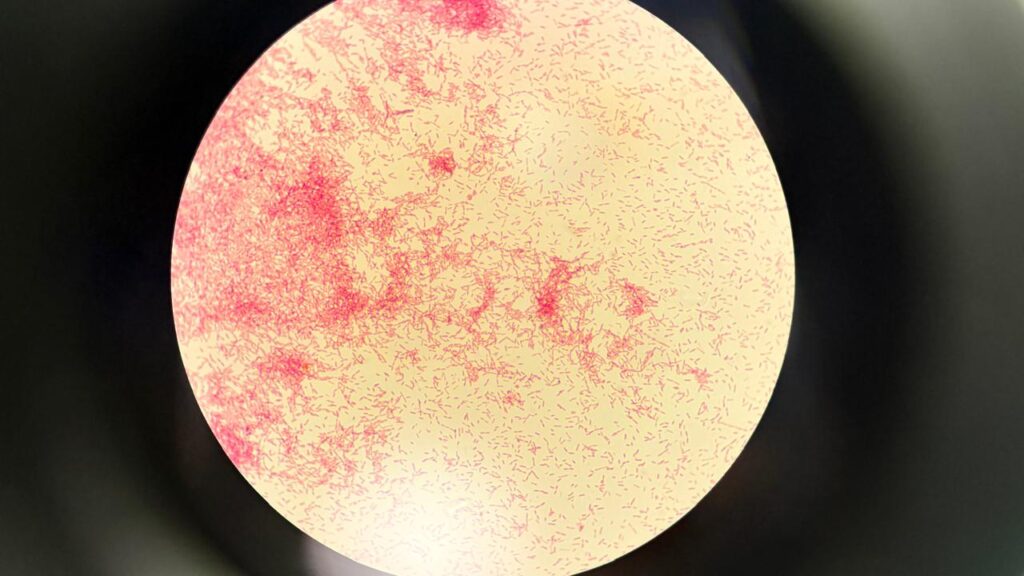
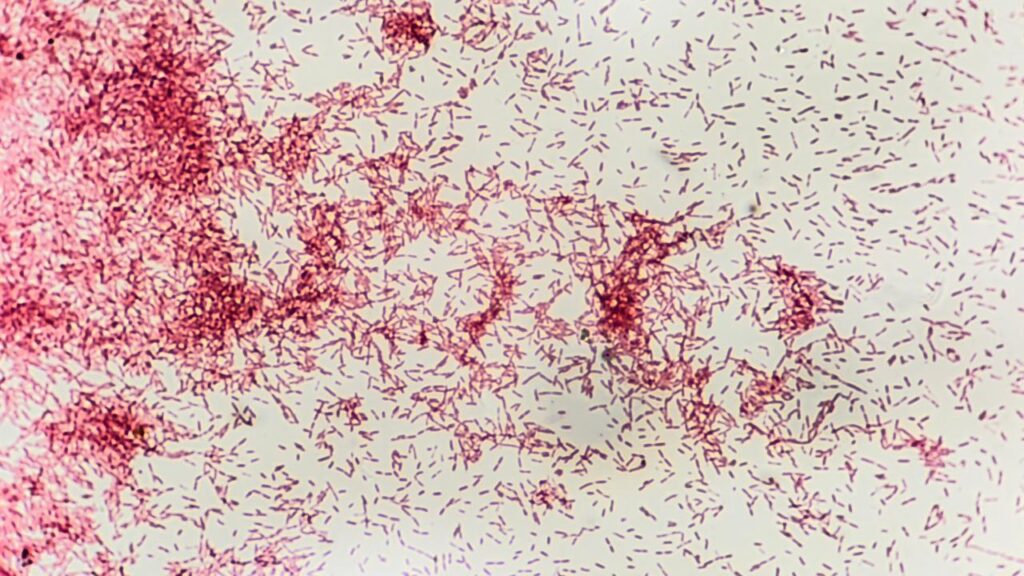
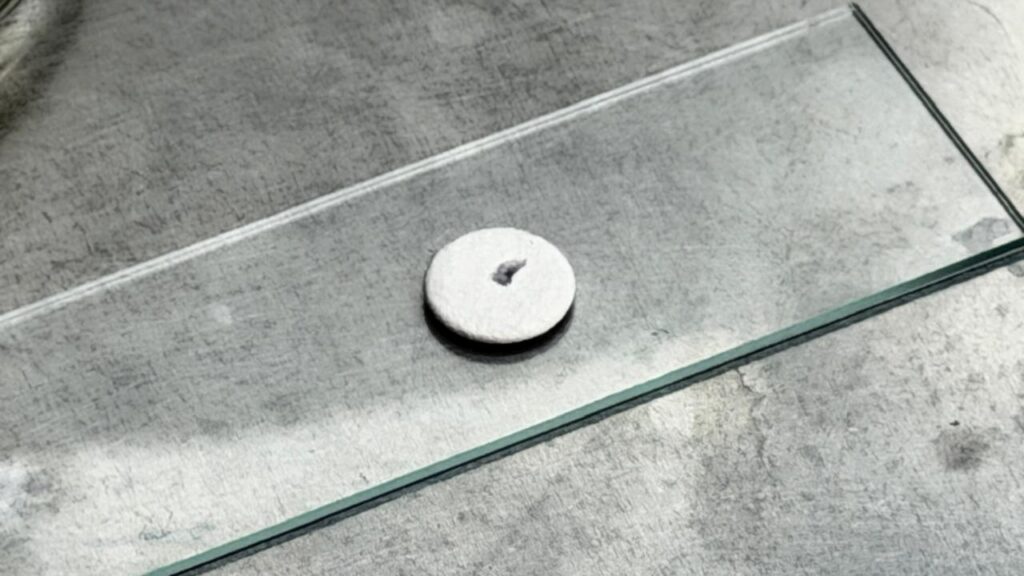
- Biochemical Properties: Oxidase-positive, catalase-positive, non-fermenting (nonsaccharolytic), and indole-negative. They lack nitrate reductase.
- Cultural Characteristics:
- Grow well on standard nutrient agar, blood agar (where they are non-hemolytic), and MacConkey agar at 37°C.
- Form distinctive yellow-to-orange colonies due to the presence of flexirubin pigments.
- Salt-tolerant, capable of growing in media containing up to 5% NaCl.
- Identification: Standard phenotypic methods can occasionally misidentify them. Modern, precise identification relies heavily on MALDI-TOF mass spectrometry or definitive 16S rRNA gene sequencing.
- Species Differentiation: M. odoratus can traditionally be differentiated from M. odoratimimus by its susceptibility to desferrioxamine.
Treatment & Antimicrobial Resistance
- Resistance Profile: Myroides species exhibit extensive drug resistance (XDR). They possess chromosomal metallo-β-lactamases, rendering them naturally resistant to most β-lactams (including penicillins, cephalosporins, and monobactams). They also display high resistance to aminoglycosides and cyclic lipopeptides.
- Therapeutic Options: Treatment must be guided strictly by in vitro antimicrobial susceptibility testing (AST) due to highly variable strain profiles. Effective agents often include:
- Minocycline: Frequently shows 100% susceptibility and is highly effective, particularly for UTIs.
- Carbapenems: Meropenem or imipenem sometimes retain efficacy, though resistance is increasing.
- Fluoroquinolones & Trimethoprim-Sulfamethoxazole (TMP-SMX): Variable, strain-dependent susceptibility.
Prevention & Control
- Environmental Surveillance: Because nosocomial outbreaks are typically linked to contaminated hospital water supplies, healthcare equipment, or medical fluid ampoules, strict testing of utility water systems is required.
- Infection Control: Diligent adherence to standard hand hygiene protocols and contact precautions in intensive care units to prevent cross-contamination.
- Device Management: Timely removal and sterile maintenance of urinary catheters and central lines to disrupt biofilm formation.
- Antibiotic Stewardship: Restricting the unnecessary use of broad-spectrum antibiotics to reduce the selective pressure that favors XDR organisms like Myroides.
Keynotes
- Signature Features: Look for a Gram-negative, non-motile rod producing yellow-pigmented colonies with a highly distinctive fruity/perfume aroma that grows on MacConkey agar.
- Clinical Threat: Actively emerging as an XDR nosocomial pathogen capable of causing severe systemic infections in ICU and catheterized patients.
- Diagnostic Gold Standard: MALDI-TOF MS and 16S rRNA sequencing are essential to separate Myroides from lookalikes like Flavobacterium or Alcaligenes faecalis.
- Clinical Clue for Treatment: While resistant to most standard drugs, minocycline remains a premier choice for clearing targeted Myroides infections.
Further Readings
- https://pmc.ncbi.nlm.nih.gov/articles/PMC11534234/
- https://www.cureus.com/articles/439834-myroides-odoratimimus-associated-skin-and-soft-tissue-infection-in-critical-limb-ischemia-with-progressive-gangrene-an-emerging-environmental-pathogen
- https://journals.plos.org/plosone/article?id=10.1371/journal.pone.0310262
- https://www.minarjournal.com/dergi/clinical-and-pathogenesis-overview-of-myroides-spp-infection20230613031032.pdf
- https://www.bjid.org.br/en-myroides-odoratimimus-soft-tissue-infection-articulo-S1413867012000529
- https://www.cureus.com/articles/439834-myroides-odoratimimus-associated-skin-and-soft-tissue-infection-in-critical-limb-ischemia-with-progressive-gangrene-an-emerging-environmental-pathogen
- https://www.researchgate.net/publication/357844817_CLINICAL_AND_PATHOGENESIS_OVERVIEW_OF_MYROIDES_SPP_INFECTION
- https://www.ijcmr.com/uploads/7/7/4/6/77464738/ijcmr_2823.pdf