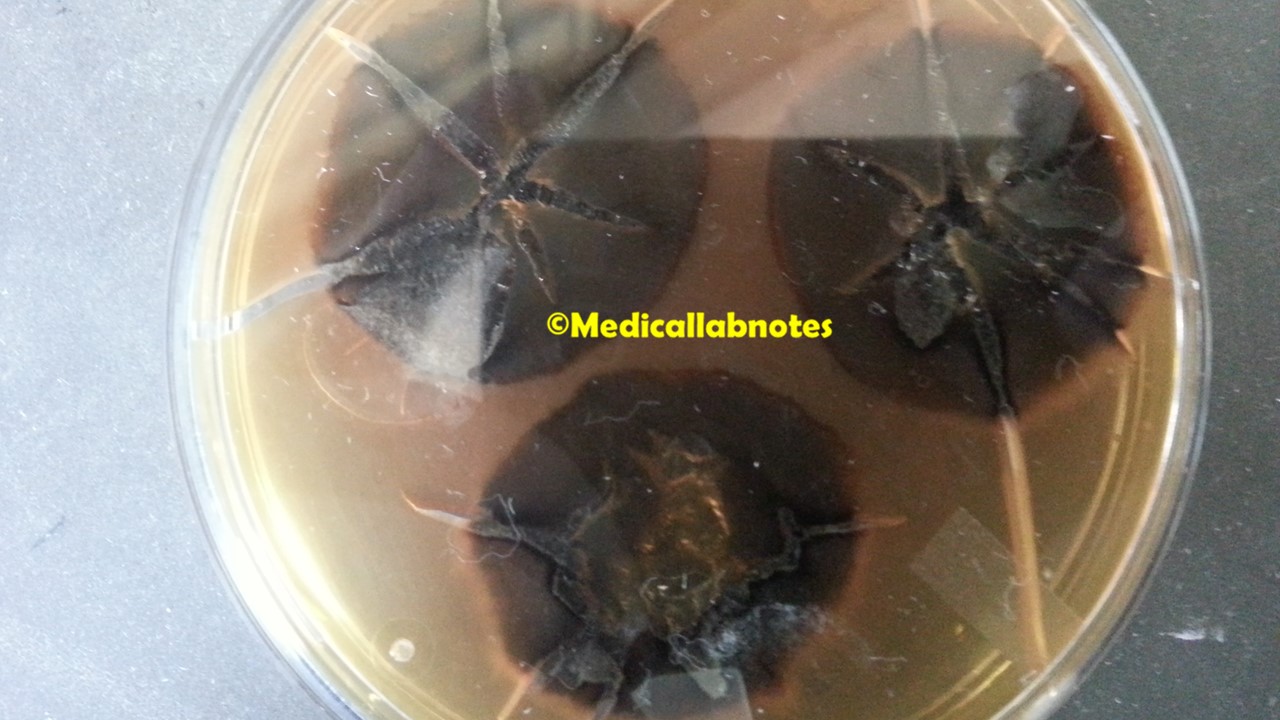
Cladosporium: Introduction, Morphology, Pathogenicity, Lab Diagnosis, Treatment, Prevention, and Keynotes
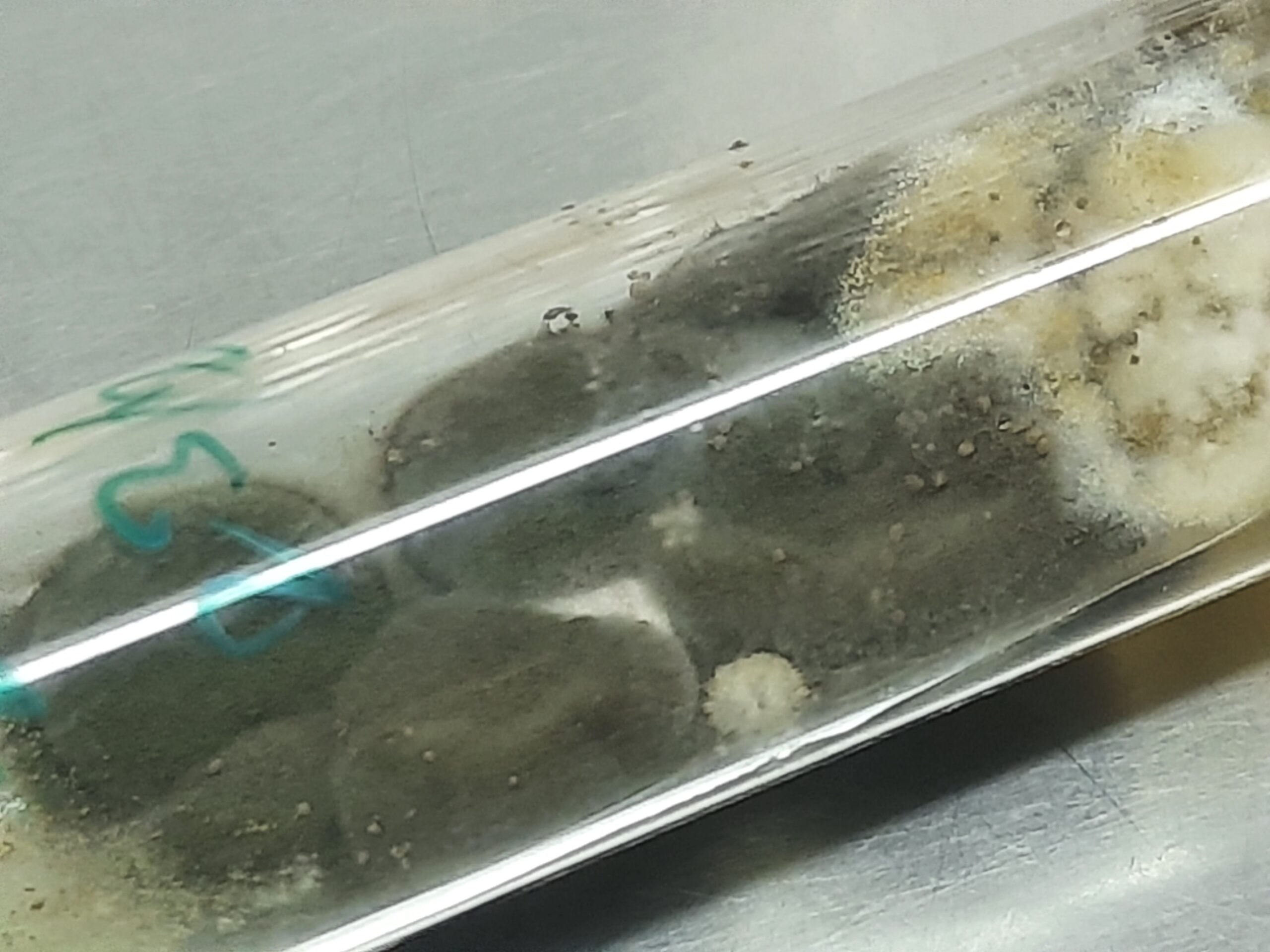
Introduction Cladosporium is a genus of fungi that belongs to the phylum Ascomycota. It is a diverse and widespread group of molds that can be found in various environments, including soil, plants, decaying organic matter, and indoor spaces. Cladosporium species (they) are known for their …

Read more

Bipolaris: Introduction, Morphology, Pathogenicity, Lab Diagnosis, Treatment, Prevention, and Keynotes

Introduction Bipolaris is a genus of filamentous fungi belonging to the family Pleosporaceae within the order Pleosporales. These fungi are commonly found in various environments, such as soil, plant debris, and decaying vegetation. Bipolaris species (they) are known to be plant pathogens, causing a range …

Read more

Fusarium oxysporum: Introduction, Morphology, Pathogenicity, Lab Diagnosis, Treatment, Prevention, and Keynotes

Fusarium oxysporum growth on SDA tube

Introduction Fusarium oxysporum is a filamentous fungus belonging to the genus Fusarium. It is a widespread and economically significant plant pathogen that affects a wide range of crops, causing various diseases collectively known as “Fusarium wilt” or “Fusarium yellows.” This pathogen can infect over 100 …

Read more

Cylindrocarpon : Introduction, Morphology, Pathogenicity, Lab Diagnosis, Treatment, Prevention, and Keynotes

Introduction Cylindrocarpon is a genus of fungi that belongs to the class Dothideomycetes. This genus is characterized by its cylindrical or slightly curved, hyaline (colorless) conidia, which are the asexual spores produced by the fungus. The name “Cylindrocarpon” is derived from Greek, where “cylindro” means …

Read more

Curvularia: Introduction, Morphology, Pathogenicity, Lab Diagnosis, Treatment, Prevention, and Keynotes

Curvularia Colony characteristics on SDA-Reverse side view

Introduction Curvularia is a genus of filamentous fungi belonging to the family Pleosporaceae, commonly found in soil, decaying plant material, and various environmental niches. These fungi are known for their distinctive curved or sigmoid-shaped conidia (asexual spores), which give the genus its name. Characteristics: Pathogenicity: …

Read more